








The Lighting Technical Committee is made up of highly skilled lighting specialists and environmental scientists, and provides guidance to the Board, Executive Director, and staff on policies and guidelines related to outdoor lighting practices.
Nancy Clanton is the founder and CEO of Clanton & Associates, a lighting design firm specializing in sustainable and regenerative design. Nancy is passionate about lighting design that supports human visual comfort while also preserving dark skies and reducing the environmental impact on flora and fauna. As co-chair of the DarkSky/IES Model Lighting Ordinance Committees, chair of the IES Lighting for Outdoor Public Spaces Committee, former chair of the IES Outdoor Environmental Lighting Committee, and a contributor to the IES TM-15 B.U.G. rating system, Nancy brings a wealth of technical application expertise.
In addition to her work with IES, Nancy is a registered Professional Engineer, a member of the National Academy of Science committee on the assessment of solid-state lighting, and an International Standards Organization (ISO) 205 WG 7 U.S.A. delegate.
Nancy’s numerous awards include the 2013 Dark Sky Defender Award, the 2018 Edison Report Lifetime Achievement Award, 2014 ACEC Colorado Outstanding Woman Engineer Award, the International CleanDesign Award, and the 2021 CU Engineering Distinguished Alumni Award from the University of Colorado at Boulder.
LinkedIn: https://www.linkedin.com/in/nancy-clanton
Twitter: https://twitter.com/ClantonAssoc
Facebook: https://www.facebook.com/Clanton-and-Associates-Inc-660689364052374/
Terry is a longtime member of DarkSky and has served on the DarkSky Board (8 years) and as chair of the Technical Committee.
He was with GE Lighting in Cleveland, Ohio, for 38 years, first as a lighting application engineer and then manager of application engineering & training. Terry retired in 1998 and opened his own consulting business, Lighting Ideas, Inc., which is involved in lighting research, lighting education, and outdoor lighting applications. He worked with the Geauga Parks District on the designation of Geauga Observatory Park (Montville, Ohio) as a Dark Sky Park and is a member of the DarkSky Ohio chapter.
Terry is a fellow of the Illuminating Engineering Society, a recipient of the IES Medal Award, and a member of the International Commission on Illumination. His education includes a B.S. from Case Western Reserve University in Cleveland in Electrical and Illumination Engineering.

Darcie has worked in the lighting industry since 2005 designing and engineering complex lighting and control systems for a wide range of project types. Her projects have been honored with a number of IES Awards of Merit. She brings strong working experience in daylighting, controls, energy codes, environmental impact assessment, and light pollution. She particularly enjoys projects focusing on the user experience, such as lighting designs intended to evoke an emotion, tell a story, or meet a particular visual need.
Darcie is a registered Professional Engineer in the State of Colorado, a professional member of the International Association of Lighting Designers, a LEED Accredited Professional in Building Design and Construction, a WELL Accredited Professional having served on IWBI’s COVID-19 Task Force and Airport Advisory, a past member of the DarkSky Board of Directors, an active member of the Illuminating Engineering Society, and a committee member for the non-energy revisions to the Denver Green Code.
LinkedIn: https://www.linkedin.com/in/darcie-chinnis/
Dr. Tony Esposito is an Assistant Professor in the Durham School of Architectural Engineering and Construction at the University of Nebraska–Lincoln, founder of Lighting Research Solutions LLC, Co-Chair of the Color Committee of the Illuminating Engineering Society (IES), Co-Chair of the ANSI C78.378 Working Group (a group formed to develop specification nomenclature for high-purity LEDs to support the reduction of light pollution), and former Director and Light Concept Lead at the International WELL Building Institute. He has authored or co-authored more than 30 publications on light and lighting and has delivered more than 60 presentations nationally and internationally. His recognitions include the 2019 Richard Kelly Grant, the 2019 CIBSE Walsh Weston Award from the Society of Light and Lighting, and the 2025 Recognition of Extraordinary Dedication and Leadership from the IES. His research has influenced standards of the Illuminating Engineering Society and the American National Standards Institute, products developed by lighting equipment manufacturers, and criteria implemented by lighting certification programs. His mission is to study, discover, and deliver evidence-based lighting solutions that conserve energy and promote human health and well-being.
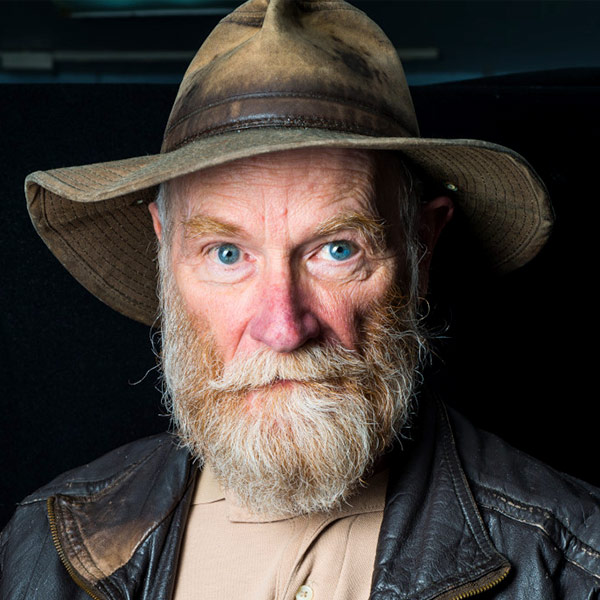
Kirt was the marine conservationist for the City of Boca Raton, based at Gumbo Limbo Nature Center, from 1995 until his retirement in 2021. He was in charge of the Boca Raton Sea Turtle Conservation and Research Program, which monitors sea turtles on Boca Raton’s five miles of beaches. He has been working on reducing many forms of environmentally destructive lighting that negatively impact sea turtles, even in areas with no beachfront lighting. Additionally, he took part in developing dark sky ordinances for three counties in Florida and worked on a team to put 2700K street lights in Lake Worth and Lantana, FL.
Kirt was awarded the 2012 Lighting Design Award and a 2013 Dark Sky Defender Award from DarkSky International.
Previously, he was a research assistant professor of dermatology at the University of North Carolina Medical School in Chapel Hill, a research and development scientist for Thermo Separation Products in Riviera Beach, FL, and an environmental specialist for Florida Power and Light at the St. Lucie Nuclear Power Plant.
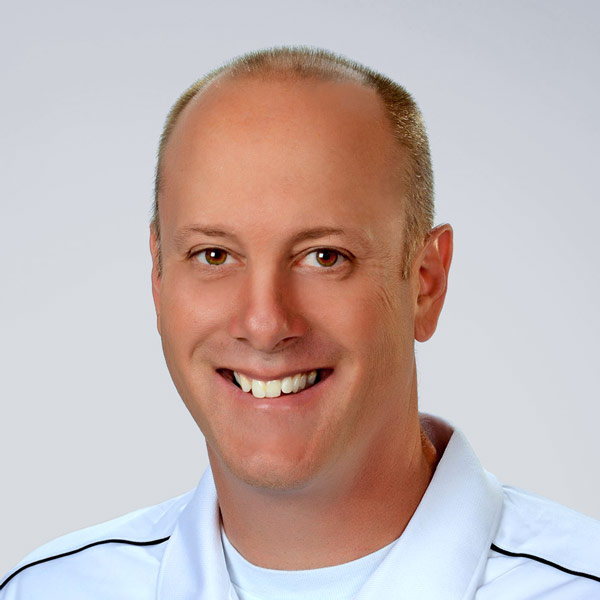
Brad is responsible for various lighting and vision research projects at Musco Lighting in Oskaloosa, Iowa. He began his lighting career as a lighting designer for Musco in 1998. In 2001, he successfully completed the National Council on Qualifications for the Lighting Professions’ Lighting Certification (LC) exam. In 2005, he took on the role of lighting specialist, with emphasis on technical training and education. In 2012, he became a senior research engineer engaged with vision research on the intrinsically photosensitive retinal ganglion cells (IPRGC) and melanopsin receptors and their role in perceived brightness.
During his time with Musco, he has participated in numerous speaking engagements and is currently the Chair of the Discomfort Glare in Outdoor Nighttime Environments Committee.
He also serves on the DarkSky Board of Directors.
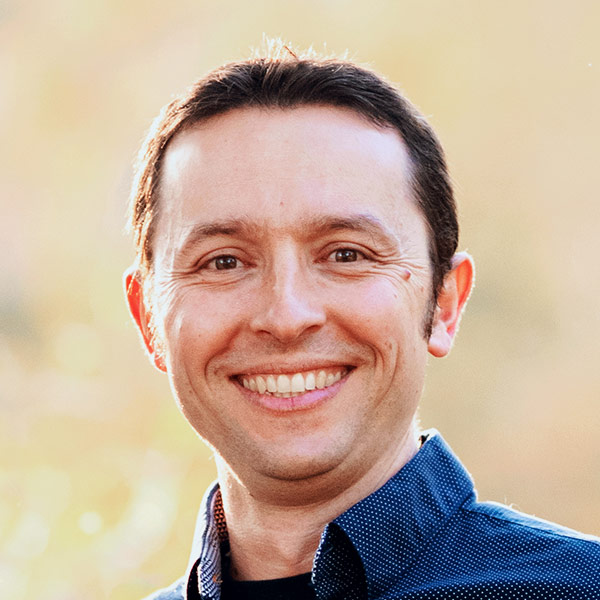
Jeremy White is a physical scientist with the National Park Service Natural Sounds and Night Skies Division. He has over ten years of experience collecting light pollution data in national parks and developing tools and techniques to characterize the nighttime environment.
Jeremy is currently working with federal agencies, lighting standards bodies, and lighting manufacturers to help develop sustainable outdoor lighting practices for parks and protected places. He is also assisting with research projects in parks investigating the impact of outdoor lighting on ecological systems and park visitor perceptions and enjoyment.
In addition to light pollution research, Jeremy is also an avid astronomer and astrophotographer, enjoying every minute he can get under the starry skies. He holds a degree in Wildlife Biology from California Polytechnic State University San Luis Obispo and a Graduate Certificate in Data Analysis from Colorado State University.
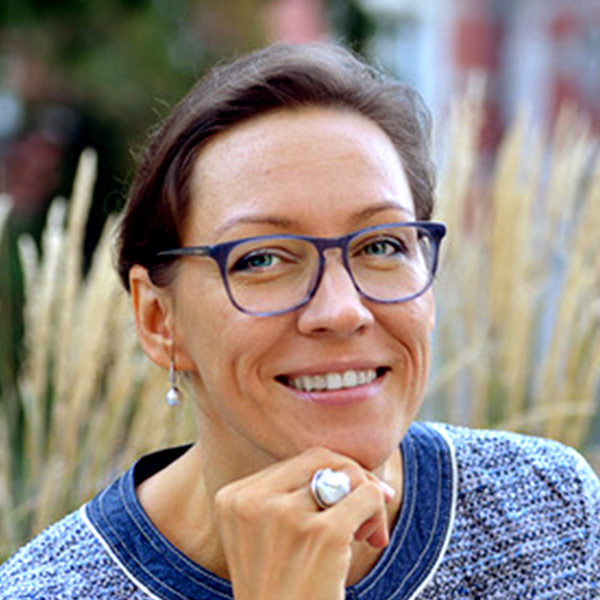
Karolina is a chartered RIBA architect and award-winning practicing lighting designer. She is also an assistant professor at the Faculty of Architecture, Gdańsk University of Technology, Poland, and co-founder of GUT LightLab, where she researches various aspects of light and lighting in the built environment.
Actively engaged in the work of international organizations, including the International Association of Lighting Designers (IALD), the Illuminating Engineering Society (IES), and the International Commission on Illumination (CIE). Karolina is well known for her critical voice on urban lighting and light pollution, providing guidelines and sharing best practices for nighttime illumination to policymakers, investors, lighting professionals, and manufacturers.
In 2015, she was awarded the Professional Lighting Design Recognition Award in the Research category for her work on the nonvisual effects of light on humans, flora, and fauna. Karolina regularly speaks at international lighting design and light pollution conferences and has published her work in scientific journals such as Nature and Sustainability.
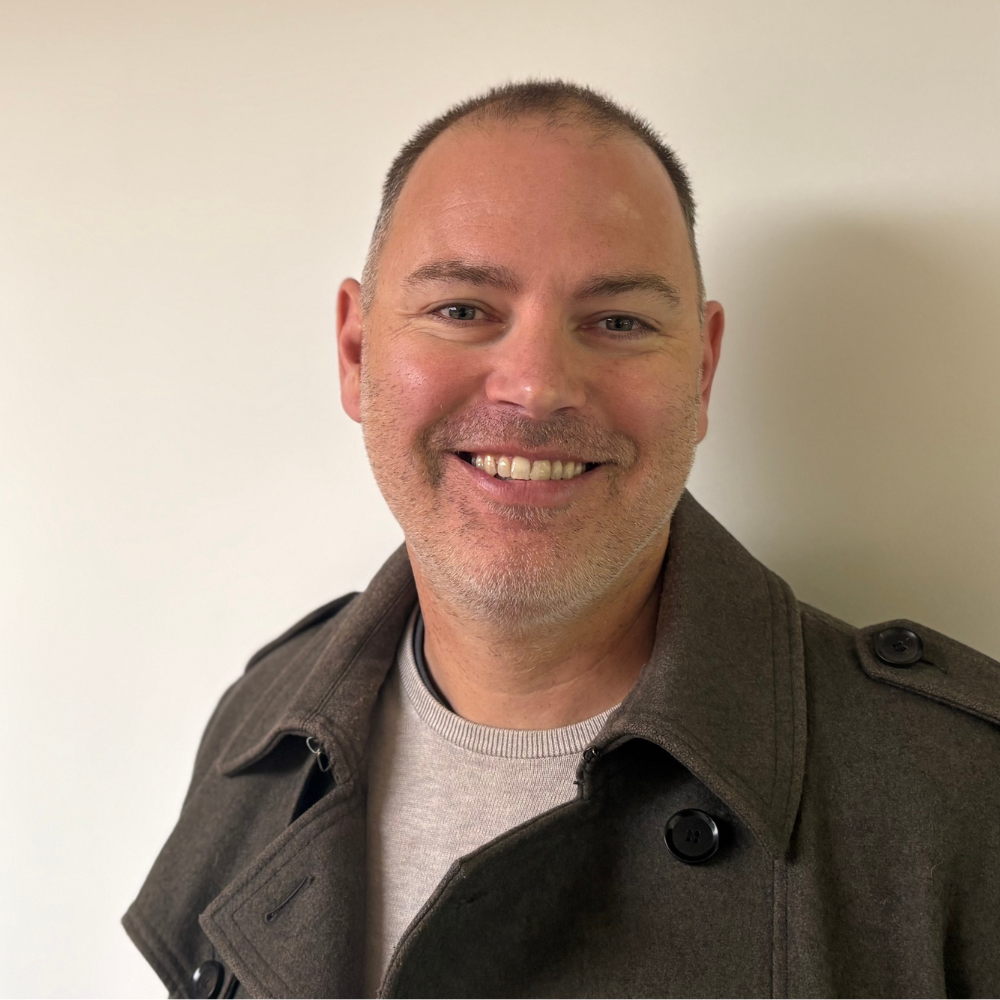
Landon Bannister has been working in the lighting industry for over 20 years and is a passionate advocate for the important role lighting plays in our experience of the built environment. He is a Fellow of the Illuminating Engineering Society of Australia/ New Zealand and is actively involved in lighting education. Now living in Tasmania, he has become a strong advocate for dark skies, founding Dark Sky Tasmania Inc. and chairing the Technical Committee at the Australasian Dark Sky Alliance.
LinkedIn
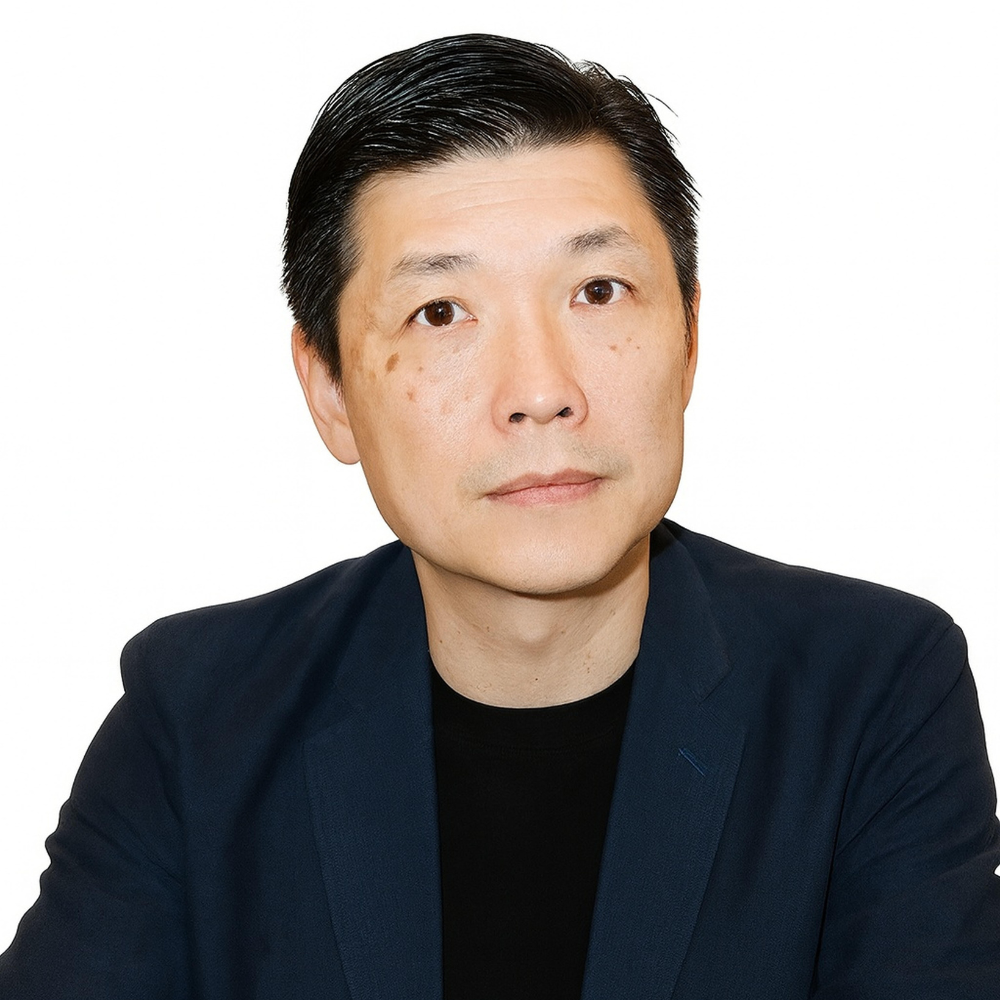
Frank Fei Guo is a lighting designer, educator, and researcher with more than two decades of experience in architectural and environmental lighting. He is the founding principal of Innovision Design Group and the founding chair of DarkSky Shanghai. He provides graduate- level instruction in lighting and environmental design and engages in applied research on illumination performance, human–environment interactions, and the environmental impacts of light.
His professional work spans applied research, technical standards development, and advisory contributions to responsible outdoor lighting and light pollution mitigation. His work has earned professional awards in lighting design and research, and his publications address topics such as sustainable lighting, light pollution mitigation, and evidence-based lighting methodologies. His interdisciplinary approach bridges engineering, environmental sciences, and design to advance
practices that support visual quality, ecological health, and sustainable nighttime environments. A Licensed Professional Engineer (PE) and Lighting Certified (LC) professional, Frank’s ongoing research focuses on life-centred illumination, nocturnal environment protection, and sustainable lighting system design.
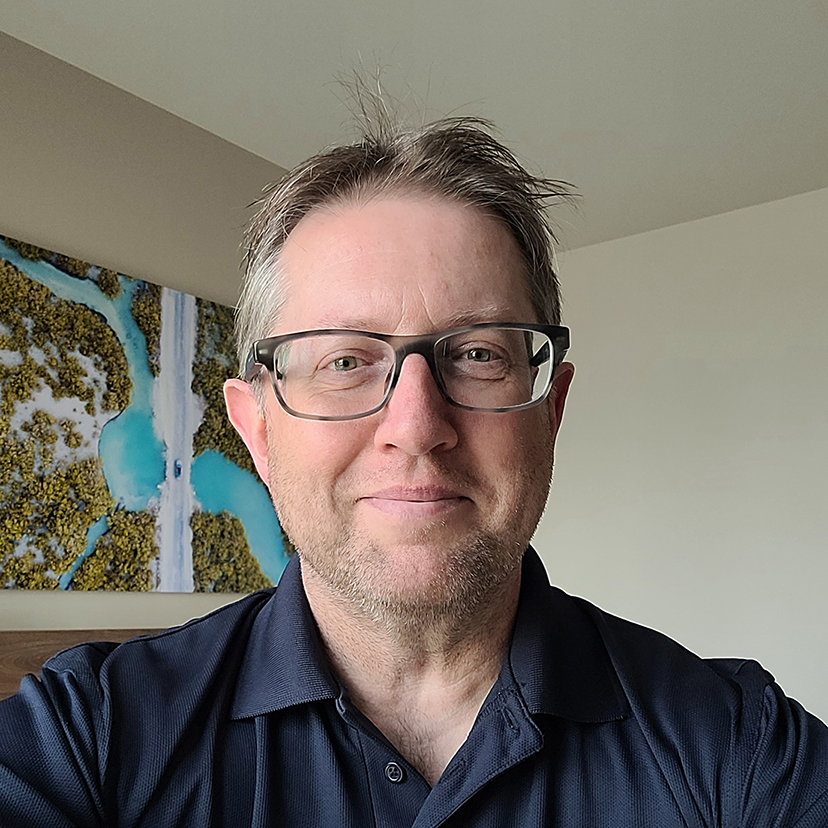
Andrew Bissell is a professional lighting designer and partner at Ridge and Partners. He has 30 years of experience in the lighting industry and has worked on projects around the world. Andrew was the President of the Society of Light and Lighting (SLL) in 2022; he is a Fellow of the SLL and a Member of the Institution of Lighting Professionals (ILP). He contributes to several of the SLL Lighting Guides which are used internationally by lighting professionals, contractors and clients. The latest contribution was a specific dark sky design section in SLL LG23 : Creativity and Compliance. This is the first lighting guide from the SLL to have a specific dark sky design section.
Throughout his career, Andrew has pushed research into practice and been an early adopter of new technologies and ideas. This approach has seen improvements in workplace lighting design, healthcare lighting design, daylight design for schools and designing for dark skies. He has worked on projects that specifically aim to protect and restore the night sky in Wales, Saudi Arabia, Cumbria, Northumberland, and Oxfordshire.
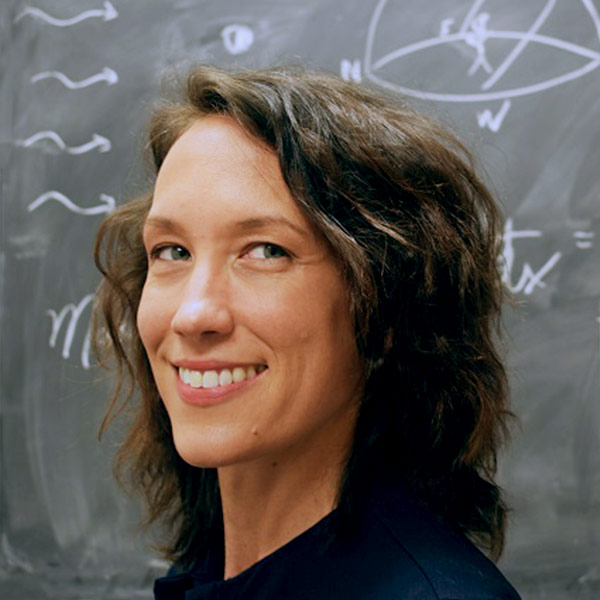
Dr. Michelle Wooten is an assistant professor of Astronomy Education at the University of Alabama at Birmingham. She welcomes the world of astronomy to hundreds of non-science majors each semester in both online and face-to-face contexts. Dr. Wooten also leads the southeast’s DarkSky chapter, Starry Skies South.