








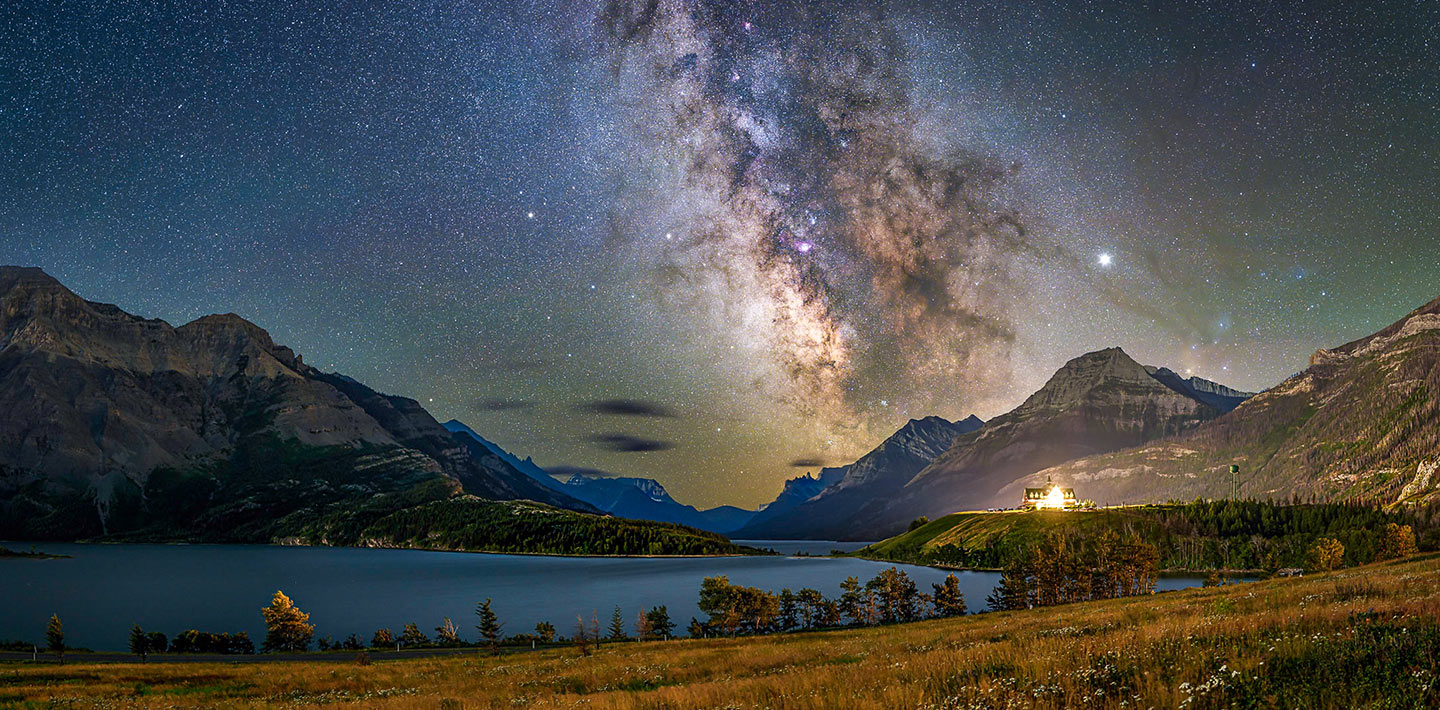
The International Dark Sky Places (IDSP) program certifies communities, parks, and protected areas around the world that preserve and protect dark sites through responsible lighting policies and public education.

DarkSky has certified more than 200 Places since Flagstaff, Arizona, was named the first International Dark Sky City in 2001.
There are now over 160,000 square kilometers of protected land and night skies in 22 countries on 6 continents, and the list grows every year as new places achieve certification.
270+
Dark Sky Places around the world
22
Countries represented
160,798+
Square kilometers of protected land and night sky
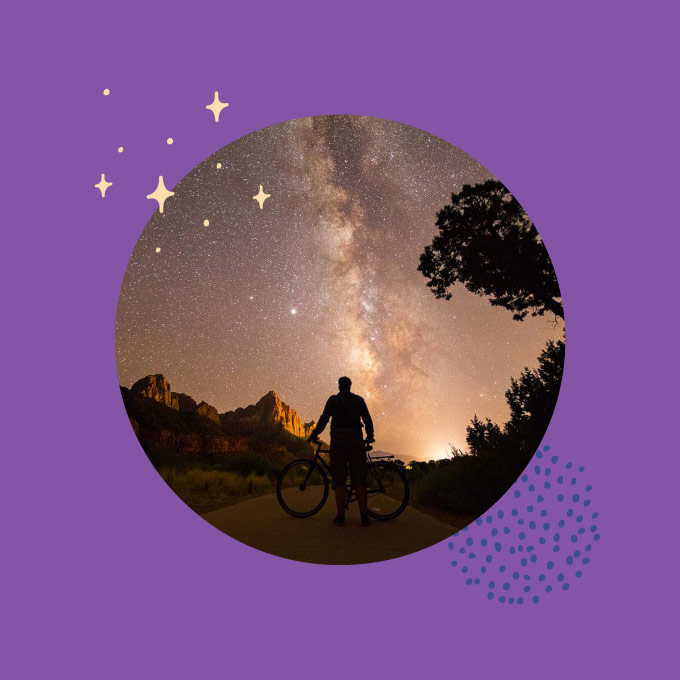
The night sky and nocturnal environment are naturally, culturally, and historically important resources worthy of conservation.
The International Astronomical Union recommends that “to safeguard the right of any citizen to enjoy the vision of the starred sky, national and local governments [should] establish a suitable number of ‘Dark Sky Oases’ and protect them from excessive artificial light at night.”
International Dark Sky Places protect ecologically sensitive areas and our universal heritage in the starry night sky.
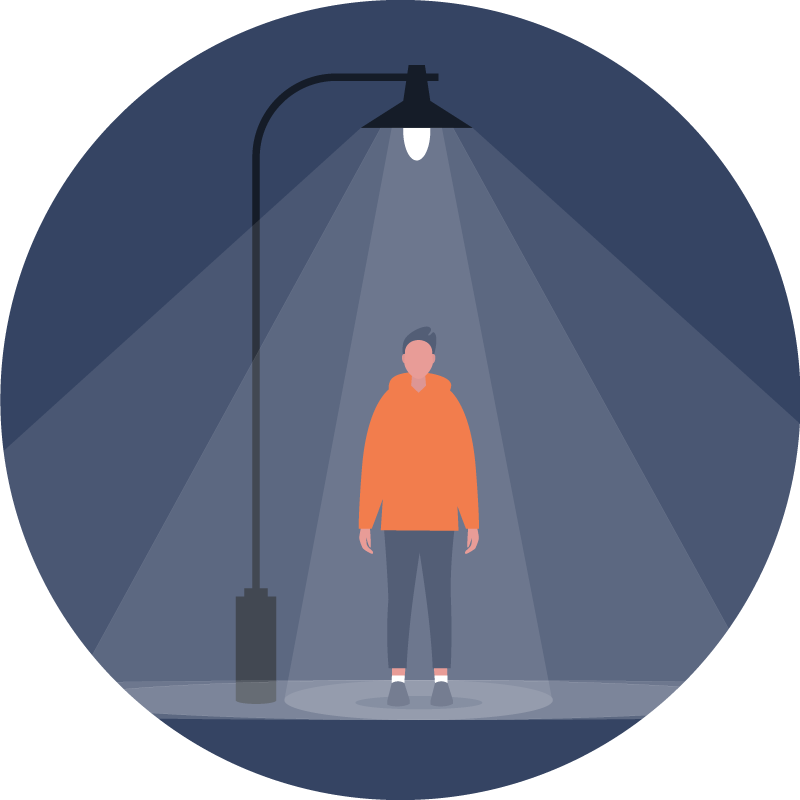
Certified Places are required to use quality outdoor lighting, effective policies to reduce light pollution, ongoing stewardship practices, and more.
Publicly or privately owned conservation areas that implement good outdoor lighting and provide dark sky programs.
The most remote (and often darkest) places in the world, whose conservation state is most fragile.
Dark “core” zones surrounded by a populated periphery where policy controls protect the darkness of the core.
Urban sites that promote an authentic nighttime experience despite being in the midst of significant artificial light.
Cities and towns with quality outdoor lighting ordinances that educate residents about the importance of dark skies.
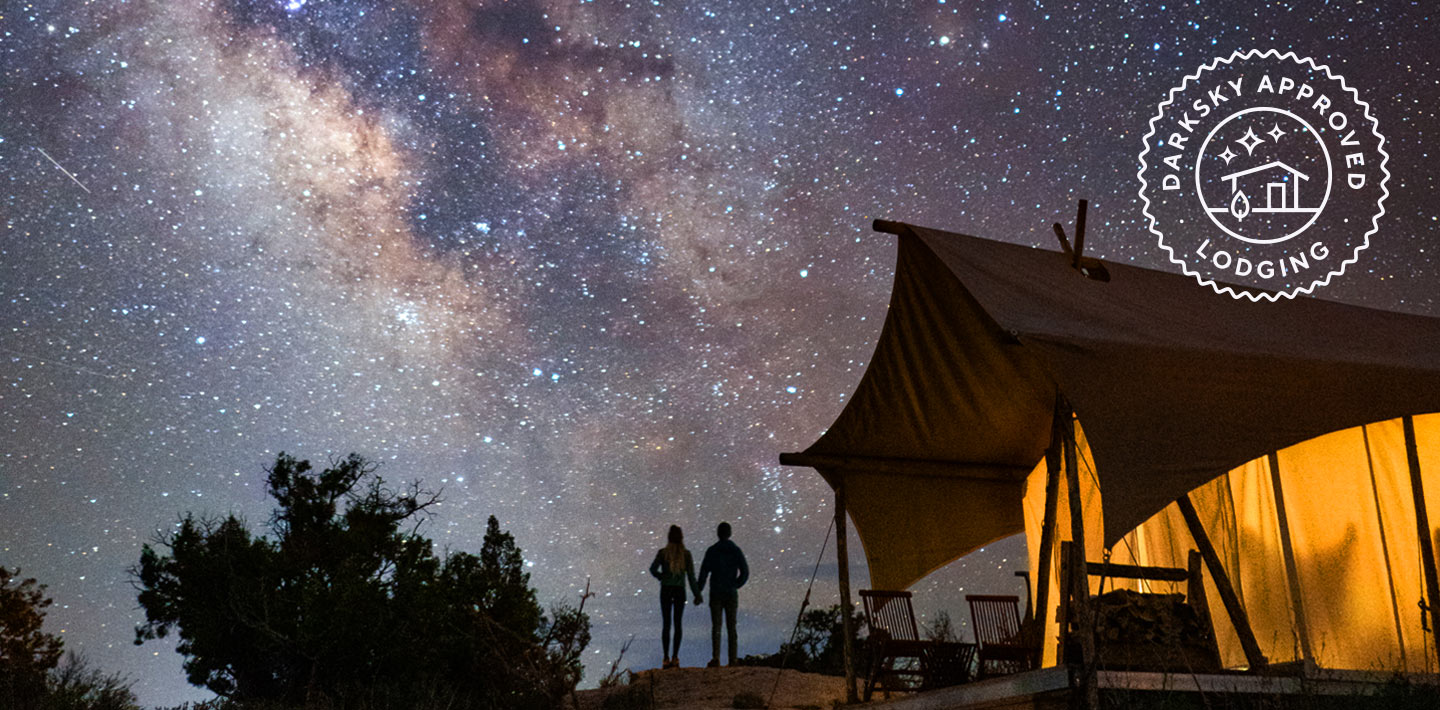
Lodging and overnight accommodations with exceptional quality starry nights protected by DarkSky Approved lighting.
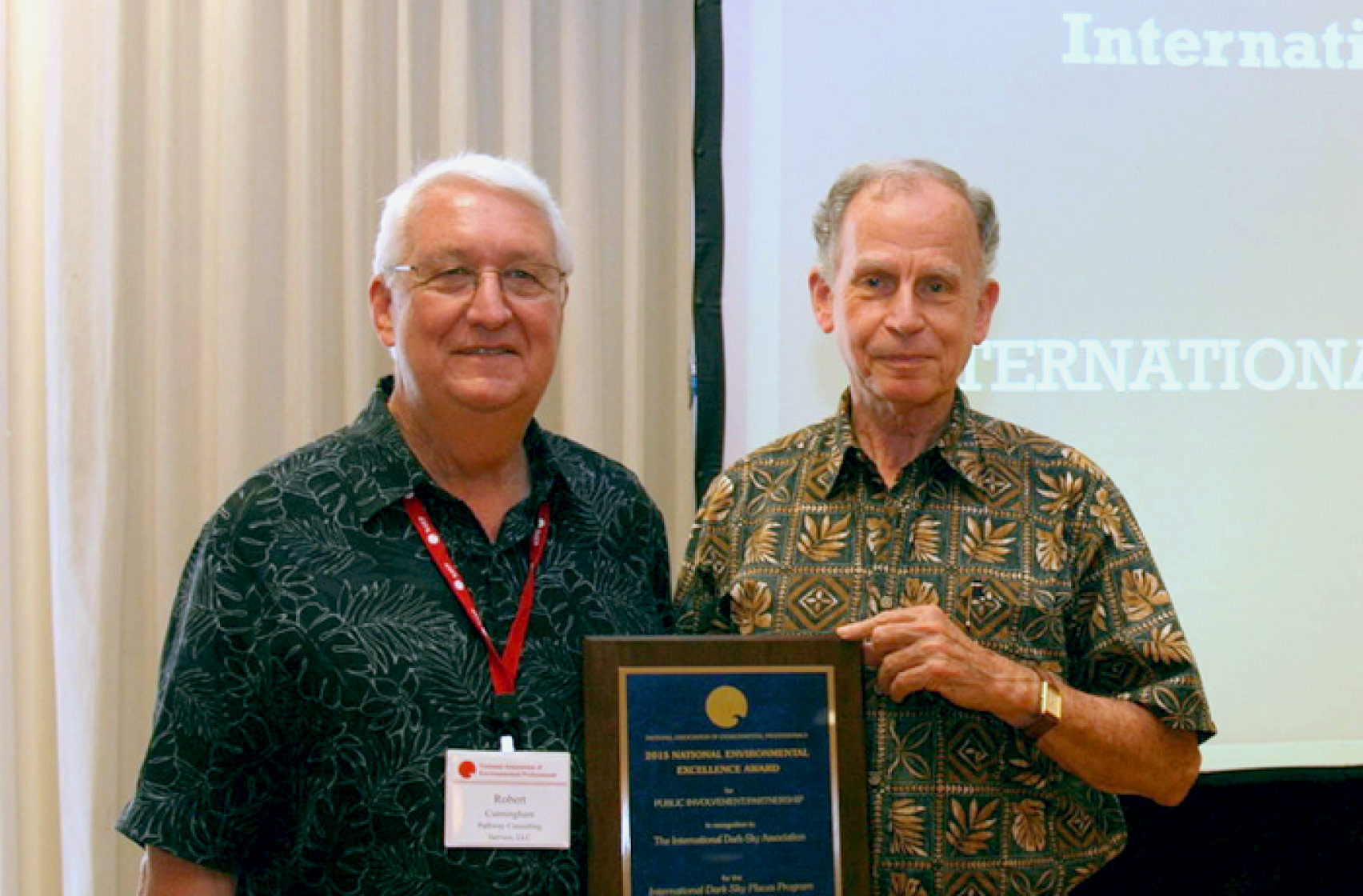
In 2001 Flagstaff, Arizona, U.S.A., was recognized by DarkSky (formerly, the International Dark-Sky Association) for its efforts in outdoor lighting policy and retrofits. The International Dark Sky Places (IDSP) program was created to provide an incentive for communities and protected places to follow Flagstaff’s example, encouraging people to choose better lighting and implement it through effective public policy.
In the years since, the IDSP program developed best practices in the management of outdoor lighting with conservation professionals, and deployed them in appropriate settings as the program expanded to include International Dark Sky Parks, Reserves, and Sanctuaries, as well as Urban Night Sky Places.
With the subsequent introduction of the categories called Dark Sky Communities and Urban Night Sky Places, we’re now bridging the gap between cities and protected areas — in a way, bringing this effort almost full circle over 20 years on.
Learn why nocturnal conservation is important.
Certification of a Place alerts visitors to the problem of light pollution and the need to preserve the night sky as a natural resource. The certification supports management agencies in achieving long-term conservation targets and connecting people to nature. Additionally, it serves as an economic driver by fostering increased tourism and local economic activity. Learn more
They’re all listed by country and region on the All Places page.
All certified Places provide a quality nighttime experience that will allow you to connect with nature at night. As you move through the light-to-dark gradient, the veil of light pollution will recede and reveal a magical sight — a sky astoundingly full of stars and, depending on the time of year, a view of the Milky Way with the unaided eye. Parks, Sanctuaries, and Reserve cores ensure that this view is available on a typical night.
You can contact the Dark Sky Places Program Associate. Detailed guidance on developing documents or other aspects of certification can only be provided after a site has passed an eligibility check and has submitted the one-time application fee to initiate an application.
The Dark Sky Places program certifies a range of places within the dark-to-very-dark gradient, from national parks, observatories, and lands managed by non-governmental organizations, to villages and cities.
Certification almost always begins with a small group of individuals seeking formal protection of their nightscape and setting a positive example for their communities and countries.