









The DarkSky Awards Committee is made up of dedicated DarkSky Advocates and members who embody our mission and reflect the diversity of our global community.
Each year, they thoughtfully review all nominations and collaborate to select the honorees for the annual DarkSky Awards celebration held during Under One Sky, DarkSky’s global conference.
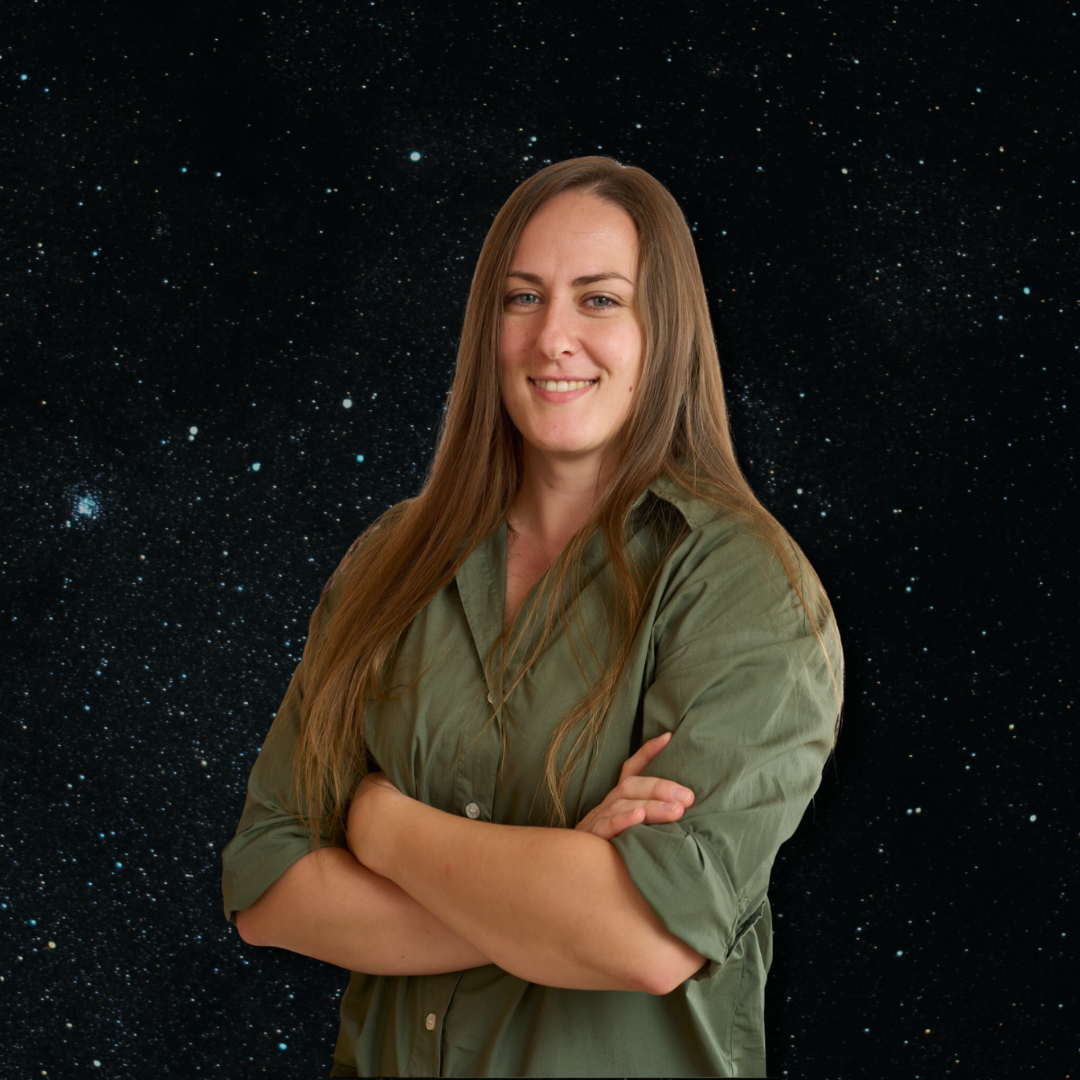
Chair
Serbia
Dajana Bjelajac is currently an Assistant professor at the Faculty of Sciences in Novi Sad and holds a Ph.D. in geosciences. The main topic of her dissertation and her scientific interests are tightly related to the relationship between urbanization processes and light pollution, astronomy tourism, and environmental protection.
Additionally, she is one of the founders of an ecological society called Carpe Noctem (Seize the Night), the first organization in Serbia to primarily educate people about light pollution of the environment. So far, she has managed to organize various public events that gathered more than 5,000 people in the nighttime environment, successfully coordinated several popular scientific projects related to light pollution, and published a manual about light pollution in the Serbian language, which has been distributed to more than 1,000 schools in Serbia. Besides scientific and educational activities, she is also involved in developing astronomy tourism in protected areas of Serbia.
LinkedIn | Facebook | Instagram
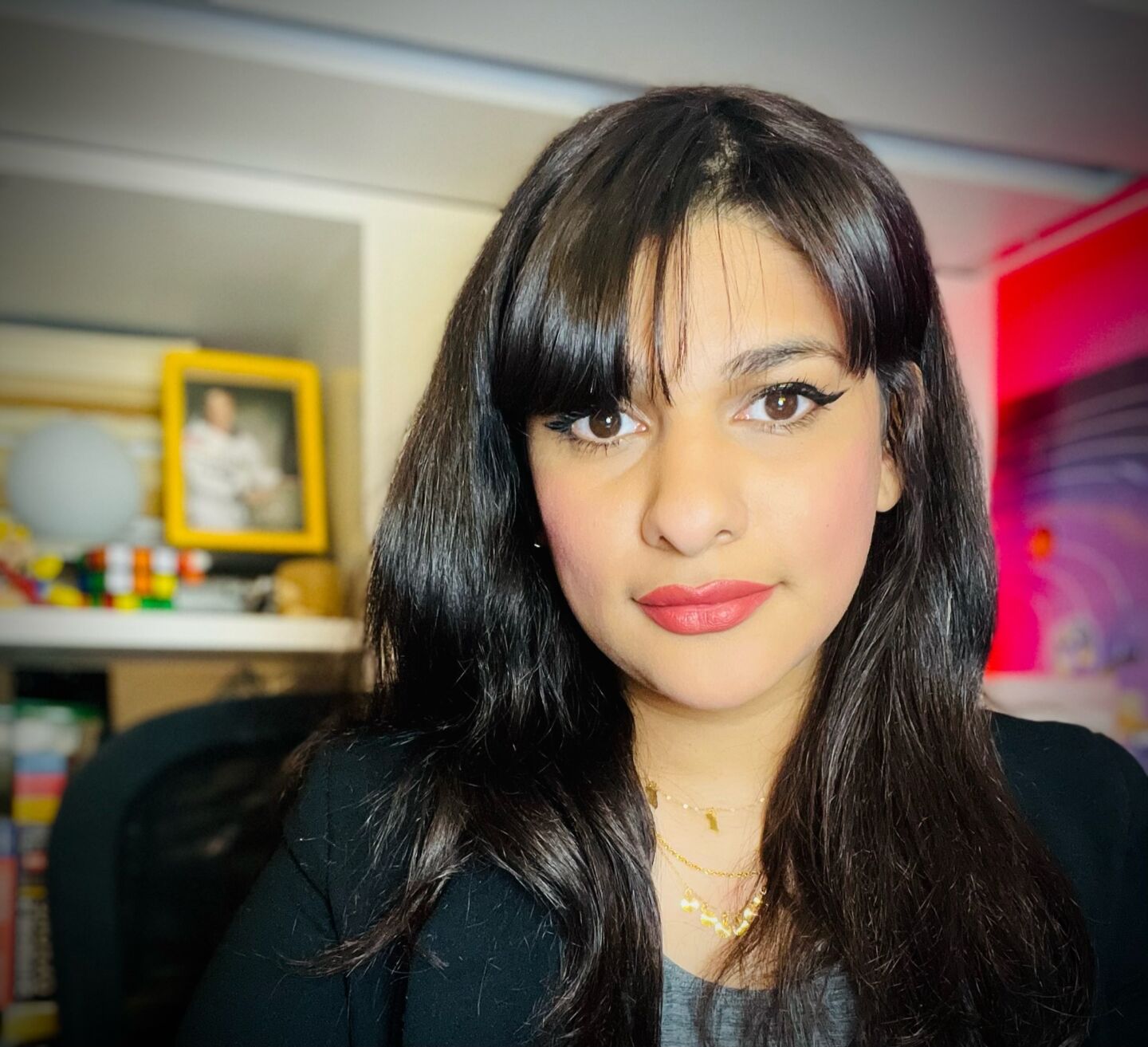
Bahrain
Myriam Alqassab is the founder and president of Bahrain Stargazers Astronomy Club, an active associate of IAU Commission C2, national outreach coordinator (NOC) for Bahrain, DarkSky Delegate, and IAU dark sky ambassador. She has been communicating astronomy with the public in her region and advocating for dark skies through education and outreach activities since the foundation of the Bahrain Stargazers club in 2016.
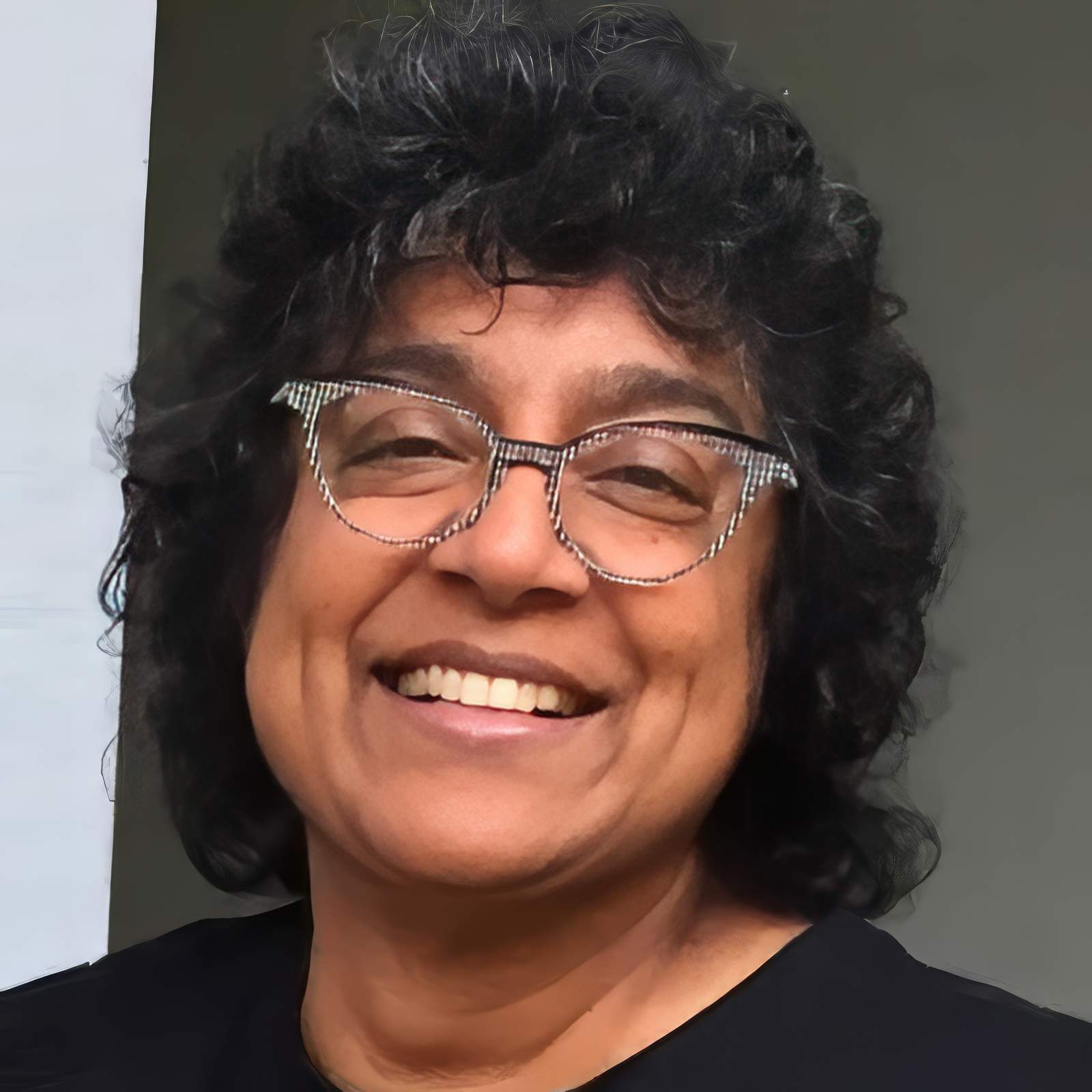
DarkSky Board President
New Zealand
Nalayini holds a Master of Science degree in astronomy from Swinburne University in Australia. She is currently the president of the Royal Astronomical Society of New Zealand and is the chair of AstroNZ, a registered charity that is the country’s leading distributor of astronomical equipment and an important charity for the promotion and education of astronomy and dark skies.
With a Master of Science degree in finance from London Business School, University of London, she is also a qualified Chartered Accountant and holds a Financial Studies Diploma in banking from the Institute of Bankers, U.K.. Having previously worked for Kuwait Asia Bank, the Bank of New Zealand, and Citibank where she was a Vice President, Nalayini is presently Executive Director of Vinstar Consulting, one of New Zealand’s leading economic and financial advisory service providers, which has government clients in 35 countries worldwide.
Nalayini was instrumental in the successful effort to establish Aotea / Great Barrier Island as a certified Dark Sky Sanctuary. She also co-leads the promotion of New Zealand’s journey to become a dark sky nation. She has spoken at Dark Sky conferences and workshops around the world.
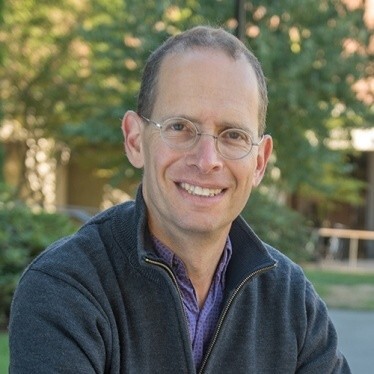
United States
James Lowenthal is professor of astronomy at Smith College in Massachusetts, USA, and uses some of the largest telescopes on Earth and in space to study distant galaxies. He started his astronomy career as an amateur astronomer and astrophotographer, and still uses his homemade telescope to photograph the skies from his backyard. He is active in dark skies advocacy at all levels: at Smith College (Northampton, Massachusetts), at the national level through the American Astronomical Society‘s Light Pollution Committee, and internationally with the International Astronomical Union‘s Site Protection Committee and Dark & Quiet Skies conferences and reports, and of course with DarkSky.
He speaks widely on the importance of dark skies, and he mentors his students in science communication and light pollution issues. He believes that partnering with environmental conservationists, biologists, public health experts, urban and landscape planners, and lighting professionals is key to stemming and reversing the growth of light pollution. He spends as much time outside under the stars as possible.
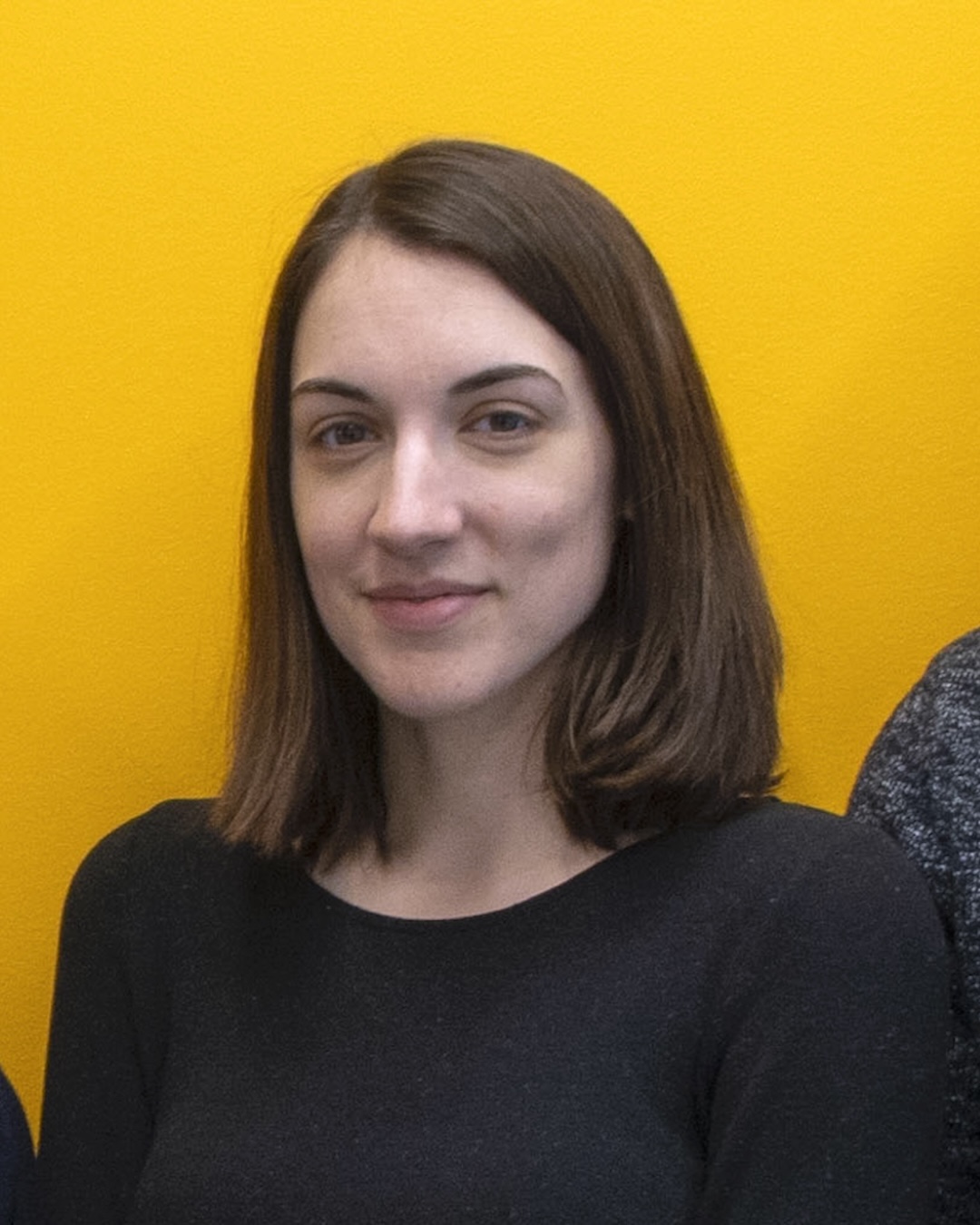
United States
Avalon Owens is a research fellow at the Rowland Institute at Harvard, where her group works to document the myriad ways in which artificial light at night affects nocturnal flora and fauna (mostly insects). Avalon has spent close to a decade studying how artificial light threatens fireflies and what “firefly friendly” lighting practices can best protect them. Fireflies are small, but they can cast a long shadow by serving as flagship species that inspire dark sky conservation.
At the Rowland Institute at Harvard, Avalon is currently working to understand the ecological costs and evolutionary consequences of moth flight-to-light behavior. Moths that get stuck swirling around porch lights are not able to find mates or visit flowers—in this way, light pollution might threaten both our food systems and the future of life on earth. Visit owenslab.org to view her publications and learn more about her ongoing projects.
Avalon Owens received her Ph.D. in Biology from Tufts University in 2022. She also holds a B.A. in Organismic and Evolutionary Biology from Harvard University and an M.S. in Entomology from National Taiwan University. She is committed to turning scientific recommendations into real world results through public outreach and policy advocacy. As part of these efforts, she frequently collaborates both with DarkSky International and the Xerces Society for Invertebrate Conservation.
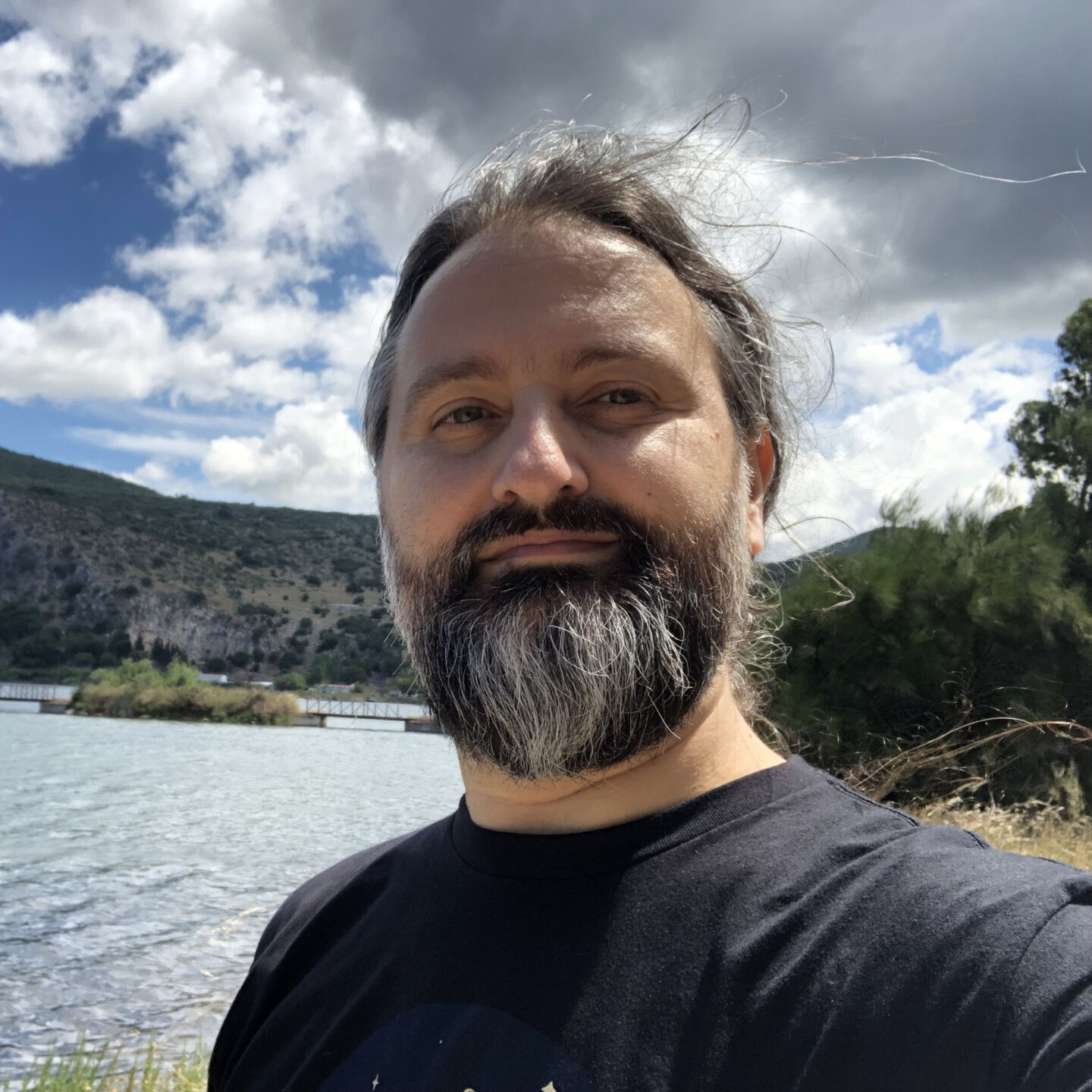
Greece
Andreas Papalambrou is the founder of DarkSky Greece and its current leader. He has studied electrical and computer engineering and works at the University of Patras. However, astronomy has been his long-time passion and is an active amateur astronomer and astrophotographer. Light pollution seemed a field where he felt he could contribute, combining his skills in electrical engineering and astronomy. In 2008 he conceived the idea of a Greek light pollution campaign and started promoting the idea at the meeting of Greek amateur astronomy clubs. It was a somewhat lonely road at first, so he went on and founded the DarkSky Greece chapter in 2016.
He has completed a Master of Arts in Lighting Design which gave him a much stronger knowledge of lighting, which has been extremely useful in his light pollution efforts. In Greece, he is mostly known for having founded Greece’s largest online community, AstroVox.gr, and the Astronomical Society of Patras “Orion.” In 2015 he received the Greek amateur astronomy conference award for his longtime contribution to astronomy outreach in Greece.
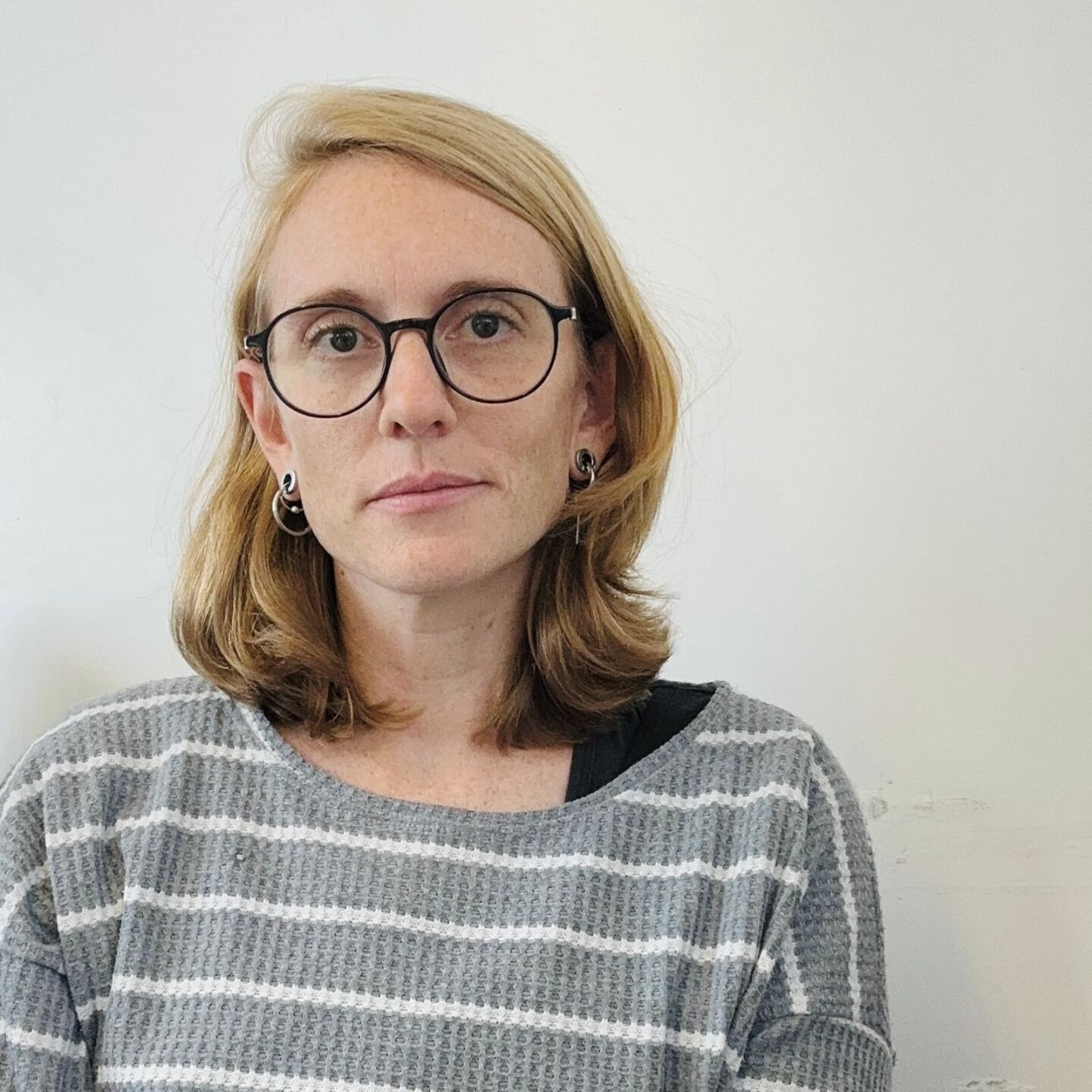
Uruguay
Florencia Reichmann is an environmental scientist and DarkSky delegate based in Uruguay. She holds a degree in Environmental Management from Universidad de la República and is currently pursuing a Master’s in Biological Sciences (PEDECIBA-UdelaR), focusing on the potential impacts of light pollution on biodiversity patterns across South America. She works as a teaching assistant and researcher at CURE-UdelaR, where she combines academic work with education and public outreach. Her research intersects ecoacoustics, landscape ecology, and artificial light at night, with the aim of generating tools for informed decision-making and contributing to light pollution mitigation efforts. Florencia has collaborated with civil society organizations and local governments to promote responsible lighting practices and protect the nocturnal environment. She is deeply committed to raising awareness about the value of natural darkness as both an ecological asset and a cultural heritage, and contributes to the DarkSky mission through research, advocacy, and community engagement.
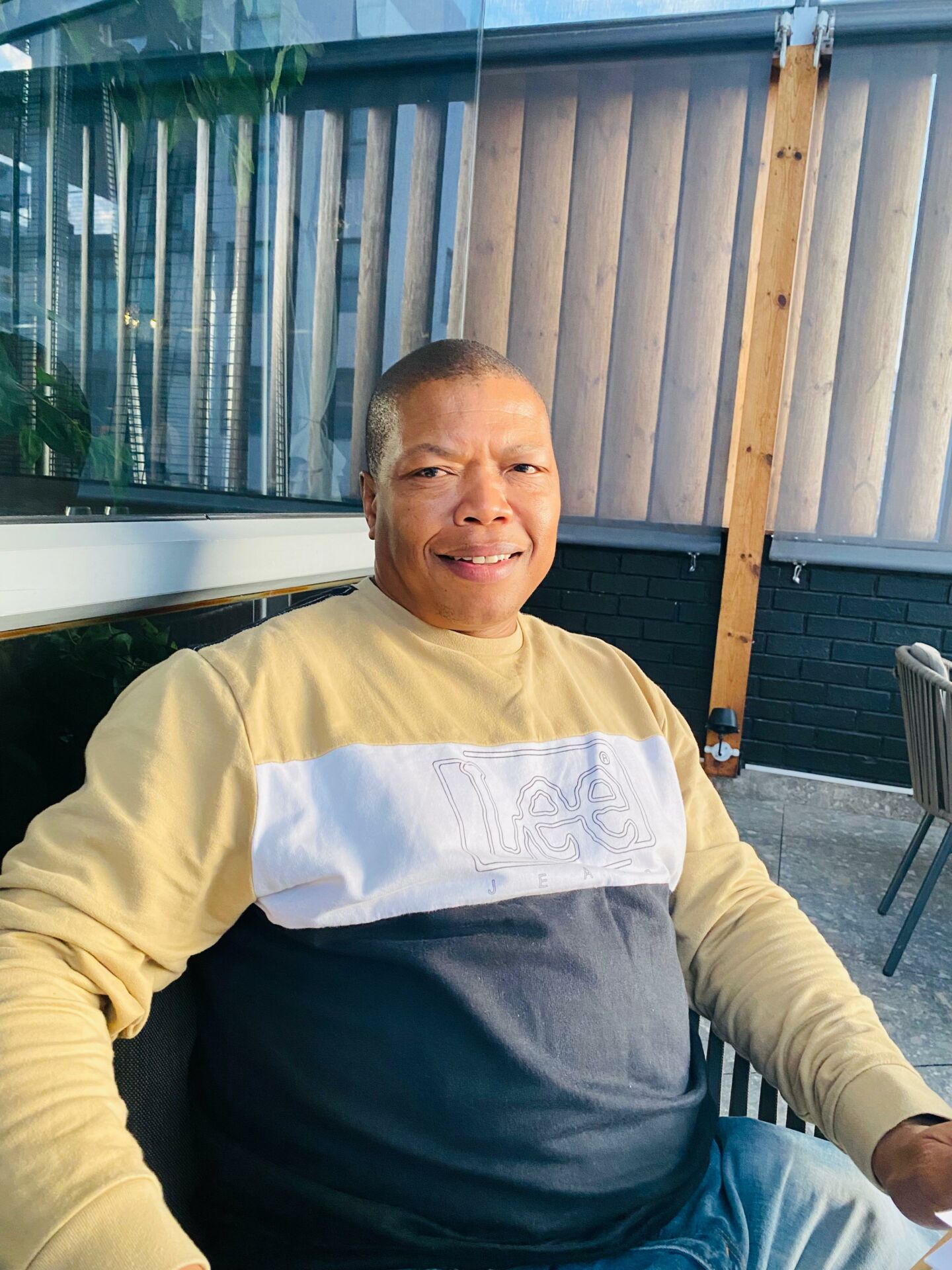
South Africa
Ramotholo Sefako is an astronomer and head of telescope operations at the South African Astronomical Observatory (SAAO), South Africa. He has a Ph.D. in astrophysics from Northwest University, South Africa. He is a member of the International Astronomical Union (IAU). He was a member of the Organizing Committee of the IAU Division B, Commission 50: Protection of Existing & Potential Observatory Sites. He was on the Scientific Organizing Committees for the IAU General Assembly Focus Meeting #21 on Mitigating Threats of Light Pollution and Radio Frequency Interference, held in Hawaii in August 2015, and the IAU Special Session 17 (SpS17) on Light Pollution: Protecting Astronomical Sites and Increasing Global Awareness through Education, held in Beijing, 2012. He is currently a member of the Organizing Committee of Inter-Division B-C Commission on Protection of Existing and Potential Observatory Sites.
Ramotholo’s responsibilities at SAAO include protection of the night skies at SAAO’s observing station against light and dust pollution through stakeholder engagements and regulatory legislation meant to preserve areas that are suitable for optical and radio astronomy in South Africa. These are done by working together with the Astronomy Management Authority (AMA) within the national government Department of Science and Innovation.