









With the rise of artificial light at night, our natural rhythms are being disrupted—while more research is needed, these resources provide insights into an emerging field.
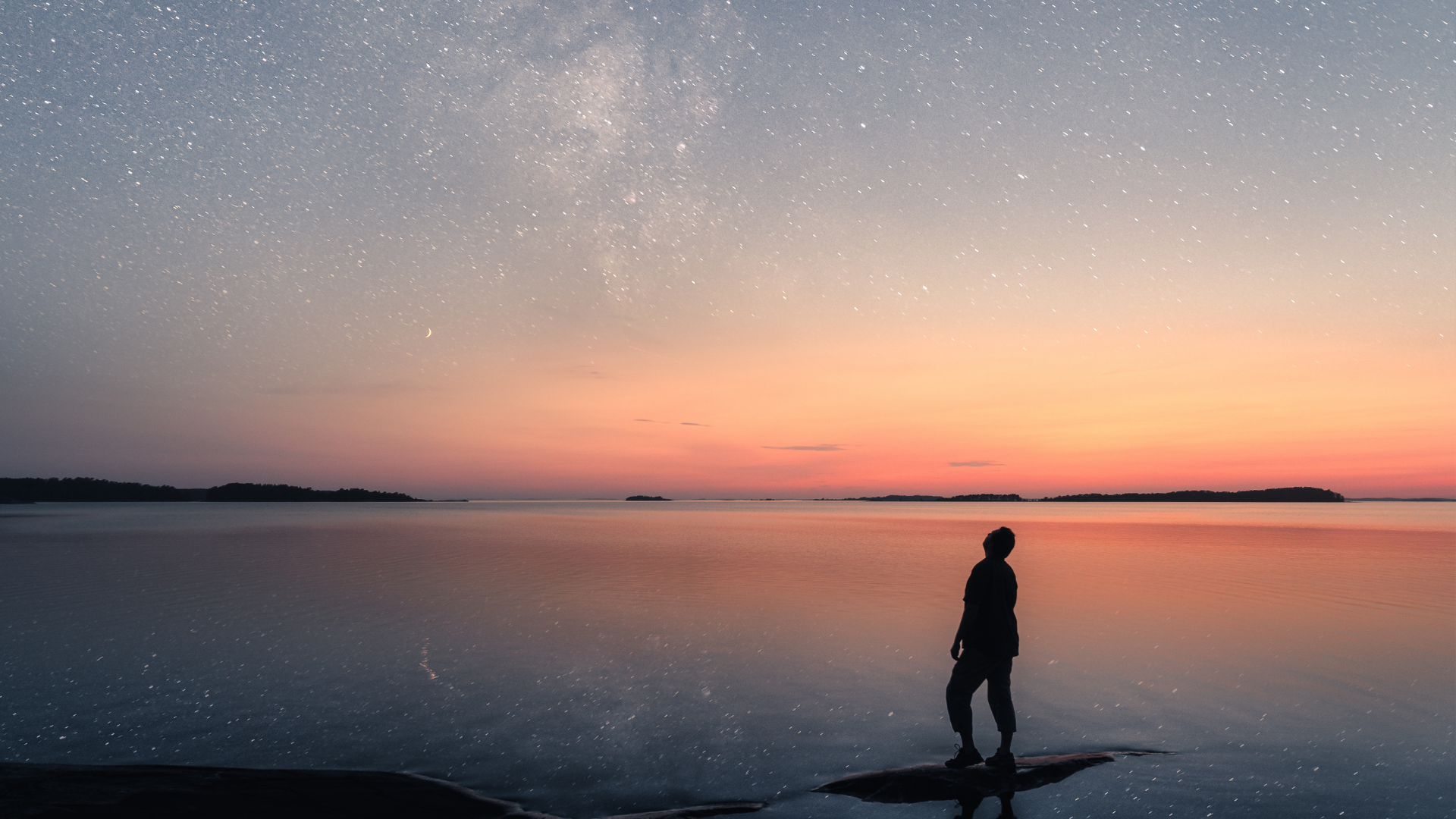
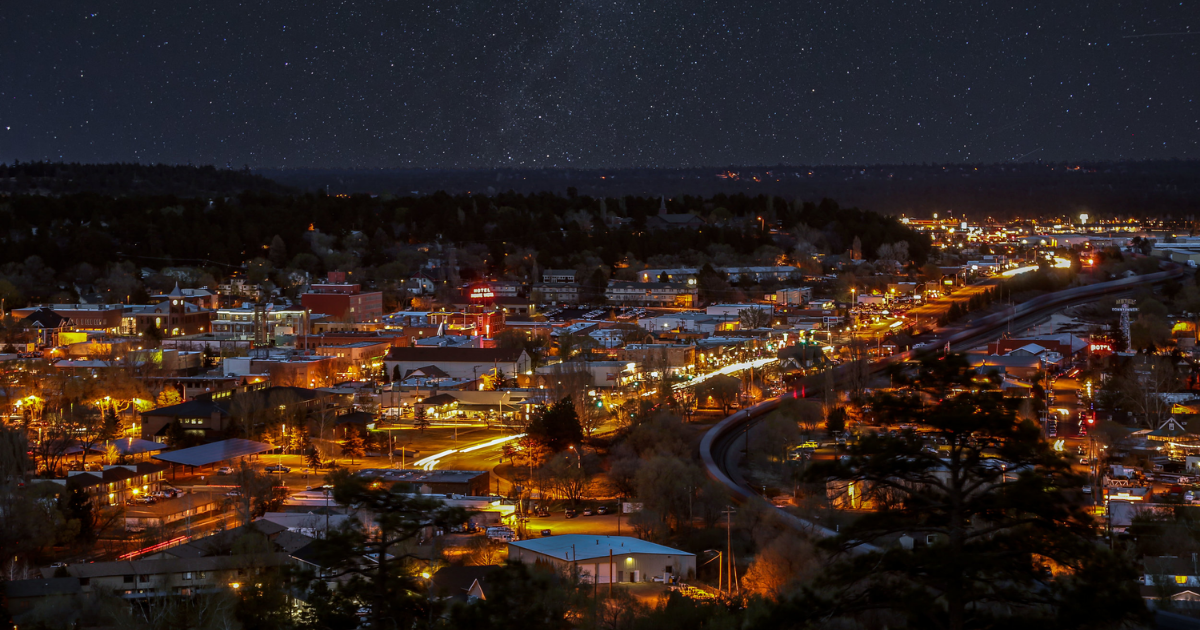
For millions of years, the natural cycle of day and night has shaped life on Earth, including human health and well-being. With the rise of artificial light at night, our natural rhythms are being disrupted—affecting sleep quality and contributing to a range of impacts.
While more research is needed to understand how typical outdoor lighting plays a role, studies have found associations between higher levels of nighttime light and suppressed melatonin, shifted sleep–wake cycles, and even altered gene activity.
The resources below provide insights into what is currently known and offer a starting point for exploring this growing field of research.
Our bodies are designed to follow the natural rhythm of day and night. This internal clock, known as our circadian rhythm, regulates sleep, hormone production, and other essential functions. Today, the widespread use of artificial light at night has disrupted this natural rhythm, and scientists are actively studying how exposure to light at night might affect health and well-being.
In a recent DarkSky Interview, Dr. Kat Kennedy, Sleep and Circadian Physiologist and Postdoctoral Researcher at the University of Arizona, provided an overview of the issue and discussed recent scientific findings—offering an excellent starting point for anyone interested in learning more.
Scientific research, primarily from controlled studies of indoor lighting, has established a clear link between light exposure at night and certain biological effects. We know that light can:
These biological changes may play a role in the development of some chronic diseases, many of which are currently under study.
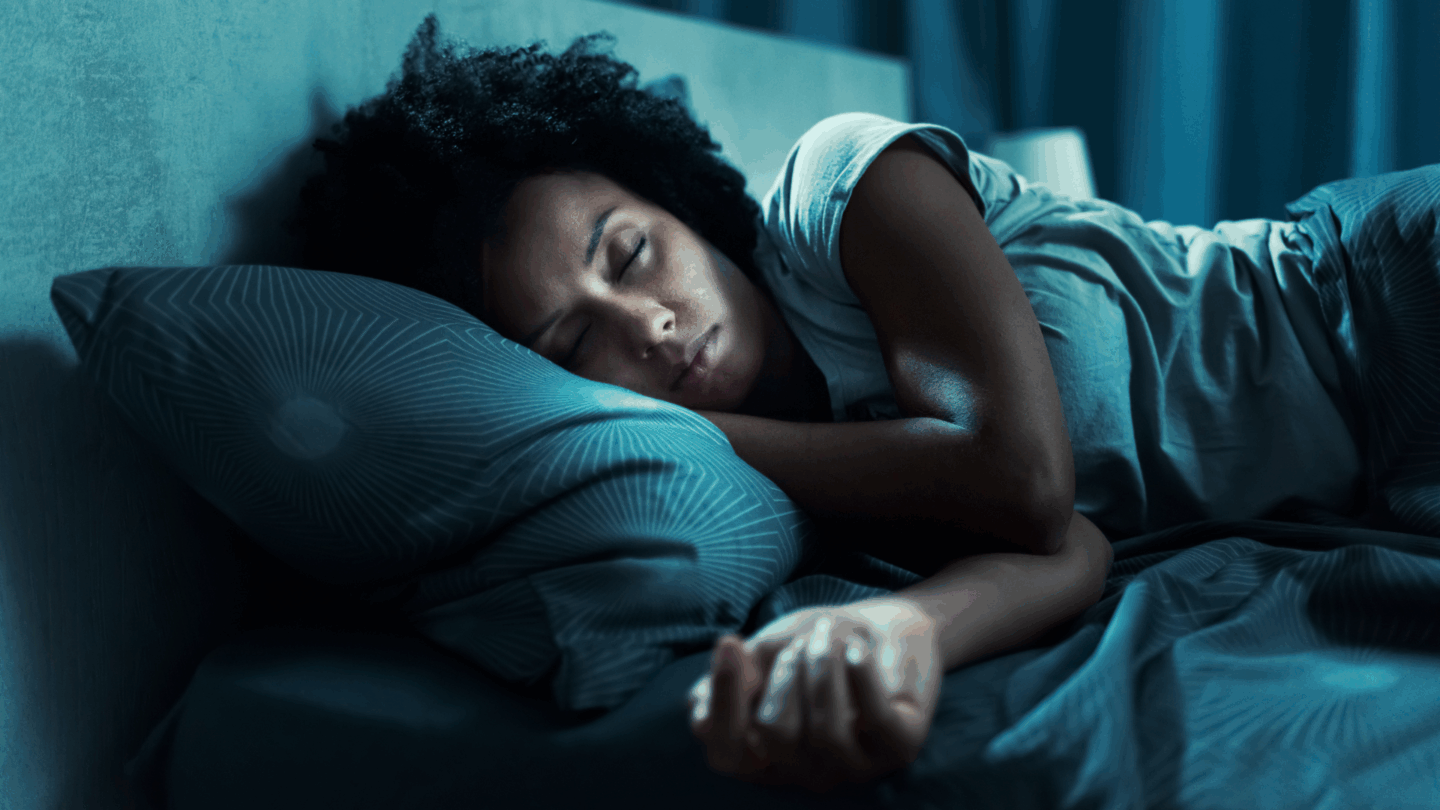
A crucial question remains: Does light pollution from outdoor sources have the same effect on our health?
While the biological mechanisms are understood from indoor studies, the evidence linking outdoor artificial light at night (ALAN) directly to widespread health problems is still emerging and inconclusive. Current science does not support strong claims that light from streetlights or neighboring buildings is a direct cause of disease in the general population.
The primary scientific consensus is that the link between ALAN and adverse health effects is based on controlled indoor studies. Extrapolating these findings to the lower-intensity, more variable light exposures from outdoor sources remains a complex challenge for researchers.
Therefore, while reducing light pollution is essential for protecting wildlife, conserving energy, and restoring our view of the night sky, the direct human health impacts of typical outdoor light pollution are still uncertain and remain an area of active scientific investigation.
If you’re interested in learning more about the essential role of indoor light exposure in human health and well-being, we recommend starting with the article “Making light work: Recommendations for healthy lighting,” which provides an accessible overview of a 2022 workshop held in Manchester, UK.
For a deeper look at the research, the authors’ paper, “Recommendations for daytime, evening, and nighttime indoor light exposure to best support physiology, sleep, and wakefulness in healthy adults,” offers detailed, evidence-based guidance. They recommend exposure to bright light during the day, dim light in the evening, and darkness at night to best support natural rhythms and overall well-being.