









The International Dark Sky Places program is an independent, third-party review and certification of outstanding dark sky conditions and protection practices. Over 200 places around the world have been certified since 2001.
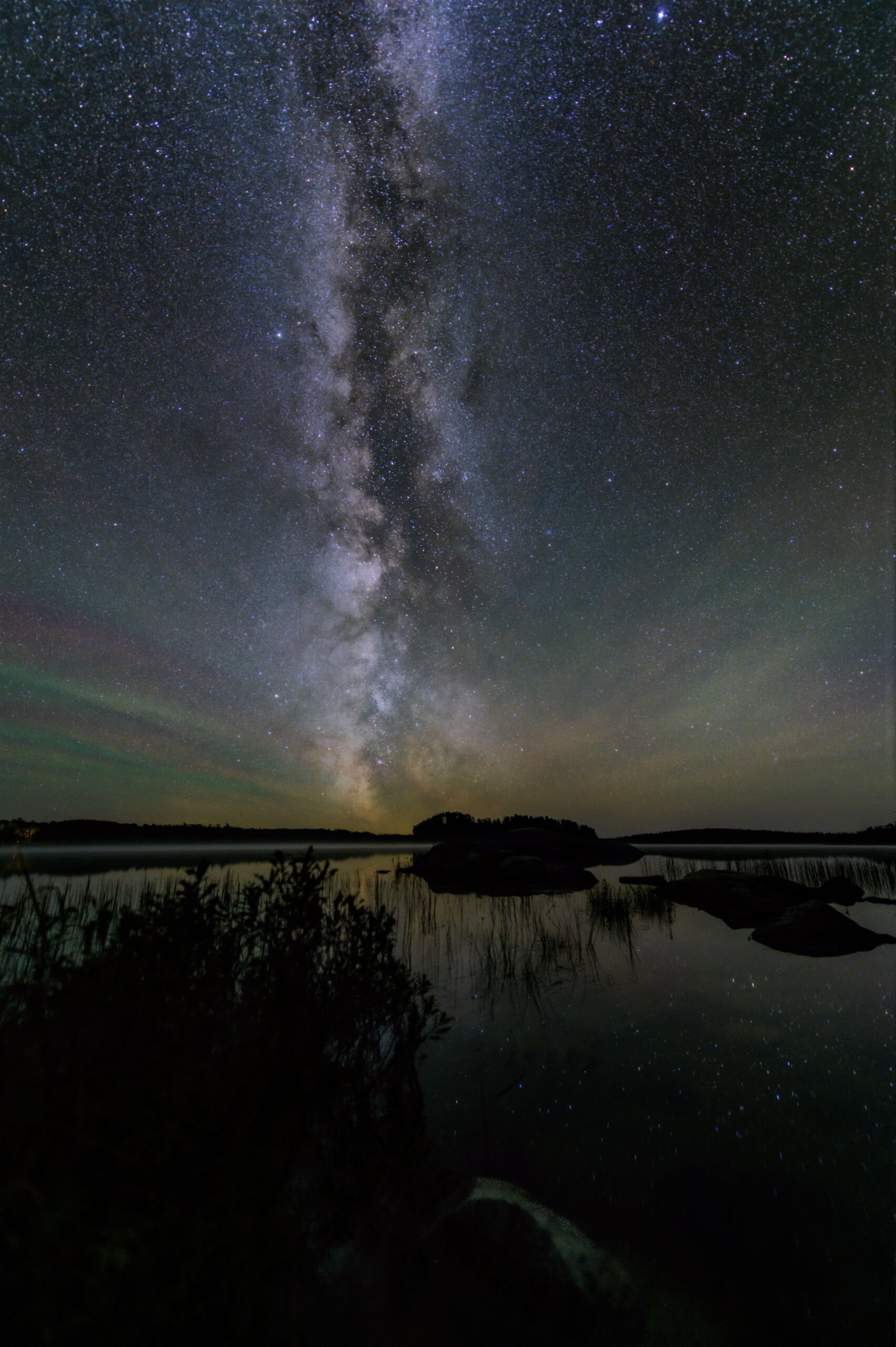
The program is recognized worldwide for protecting dark sites and communities through responsible lighting policies and public education. Certification:
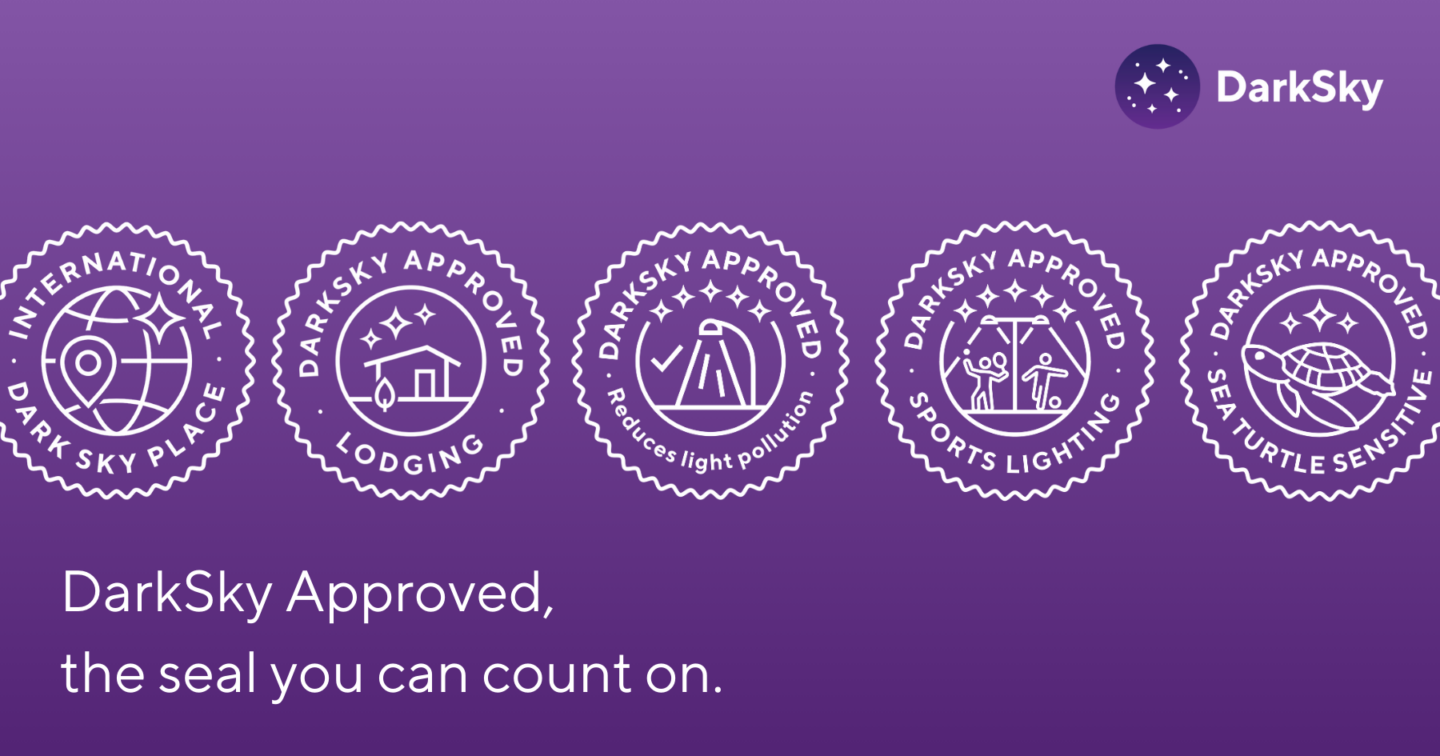
An International Dark Sky Place certification entitles the site or community to display the DarkSky International logo and/or the Dark Sky Place seal in official publications and promotions, and enables the use of these logos by commercial groups, or other groups within the community, when identifying the place. DarkSky highlights ongoing Place efforts to protect night skies by maintaining a unique Place-based page on our website. The Place’s managing agency may also identify DarkSky as a partner.
There are three steps to apply for certification:
This infographic describes these steps in more detail.
We offer five categories under the certification program. Candidates are qualified based on management, location, nighttime public access, resources, and night sky quality. Categories include a conservation approach (International Dark Sky Parks, Sanctuaries, and Reserves) and built environments (Communities and Urban Night Sky Places). Click here for a brief overview of determining whether a site is eligible for one of our certifications.
Following the definition of the International Union for the Conservation of Nature (IUCN), a protected area is “a clearly defined geographical space, recognized, dedicated and managed, through legal or other effective means, to achieve the long-term conservation of nature with associated ecosystem services and cultural values.”
Federal, state, provincial, and other public agencies manage public lands with the clear objective of conserving and protecting lands for use and enjoyment by the public. These protections are inherent in their management and governance.
However, privately owned sites and those managed by non-governmental organizations (NGOs) must demonstrate how the land and night sky will be managed in perpetuity. These applicants will need to provide documentation of a legally binding agreement with a third party. In other words, the candidate will need to provide documentation of the legal mechanism(s) that are in place to ensure that the site’s natural resources (i.e., land, air, water, sky) are protected from damage due human impacts into the future.
For example, to ensure protection if the land changes ownership, some private sites have conservation easements or covenants as a way to ensure that the property is managed to protect the night sky and its resources into the future.
The two following certified nominations provide examples:
On average, applications take one to three years to complete, depending upon the type of certification and the scale of the application. It is a complex but rewarding process!
There is a one-time $250 U.S. fee to begin the application process. DarkSky International does not charge additional fees to apply for or maintain the certification.
External costs depend on the lighting retrofits required to bring fixtures into compliance, resources for designing and implementing outreach efforts and educational materials, or overhead costs to maintain these actions as part of the Place’s long-term commitments.
Contact the Dark Sky Places Program Associate for information about the International Dark Sky Places Program. Detailed guidance on developing documents or other aspects of certification can only be provided after a site has passed an eligibility check and has submitted payment to initiate an application.
The more information you have, the better DarkSky Program staff can assist you. All prospective applicants should review our International Dark Sky Places and Apply for Dark Sky Place certification pages, and obtain permission from site management/owner(s) before submitting an inquiry. Your inquiry form will need to contain all of the following:
Once you submit your fee, you will work directly with Program Staff on developing the more time-consuming components of your application. This includes elements such as the night sky survey, lighting inventory, Lighting Management Plan or Policy, and outreach and education programs, among other things. For suggestions, review this PowerPoint and this graphic (Community-oriented) prepared by DarkSky International, and the Dark Sky Planning document from the Utah Community Development Office.
Certified Places maintain DarkSky’s mission and values by committing to the following actions:
The International Dark Sky Place certification is not awarded in perpetuity. Rather, it is subject to regular review by DarkSky International and possible revocation if the minimum program requirements are not maintained. Disqualifying actions could include:
Additional information on DarkSky’s policy may be found in the Certification Guidelines under “Reassessment of IDSP Designations.”
Yes. An organized group outside the administering agency or organization can apply for certification with demonstrated approval from the owner or managing entity.
The preferred candidate will be an individual who represents DarkSky International as a certified Place Point of Contact, Delegate, Chapter Representative, or Member. Applicants are encouraged to search for nearby certified Places and recognized active Advocates to establish a connection early in the process so that the nominator may write on the site’s behalf. However, if there are no nearby potential nominators, a local individual or organization may apply to be a DarkSky member and self-nominate. Members are considered in good standing if they donated to DarkSky International within the past twelve months.
Letters of nomination and support are provided directly to the applicant, who then supplies a single application package with all materials to DarkSky program staff. Letters should be addressed to DarkSky’s Director of Conservation and/or the Dark Sky Places Committee. Letters must be unique in quality; template letters will not be accepted.
Additionally, letters of nomination need to specifically speak about the efforts the Place completed to meet the requirements and standards of the program. Letters may be written in the native language of the applying site, but an English translation or brief description of the letter’s contents will also be required.
Yes, it is possible to revive an old application. If an applicant does not provide an update to DarkSky Program staff within a 12-month period, we will mark the application as “Defunct,” implying that there are no ongoing actions to support the development of the application and local dark sky efforts. If this occurs, the applicant will no longer have access to guidance from DarkSky staff or have the opportunity to submit their nomination for endorsement until they reinstate the application by submitting the application fee. The application will be upgraded to the most recent Guidelines version, even if the original application started work following an older version. Additionally, some aspects of the application will need to be redone, such as gathering night sky quality data and outreach efforts. Updated information demonstrates recent actions, and that the site is committed to ongoing efforts post-certification.

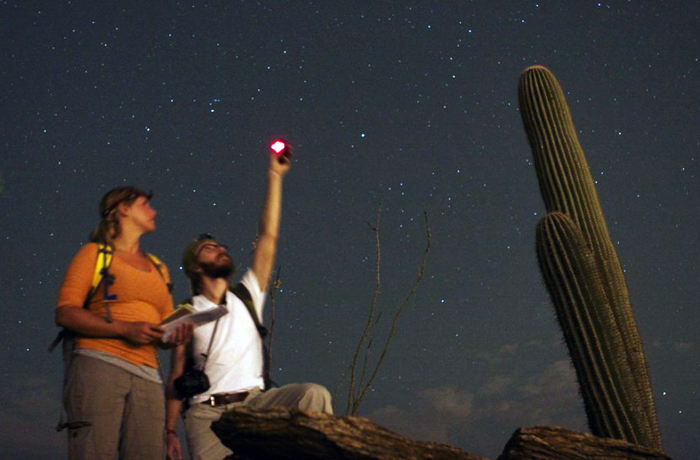
At a minimum, applicants must provide evidence of night sky quality with Unihedron sky quality meters (SQM) and traditional photography. The more data, the better, so we encourage applicants to include other methods such as satellite imagery, all-sky photometry, and visual observations such as Bortle ratings and star counts. These monitoring techniques are described on our How to conduct a sky quality survey page.
It is best to take several measurements across the site to show the gradient of bright to dark areas and commonly visited stargazing locations. Readings following this protocol should be taken periodically throughout the year to capture seasonal sky quality variations and establish a consistent night sky quality baseline. Advocates should provide at least one full year of documentation before submitting a Place application for review.

There are five main steps to developing outreach and gaining community support:
Applicants must demonstrate an ongoing commitment to providing engaging and educational experiences for their visitors. The importance of dark skies, the nocturnal environment, the benefits of quality lighting, and a reference to DarkSky International and what it means to be an International Dark Sky Place must be part of interpretation programs.
The minimum requirement for International Dark Sky Parks and Reserves is at least four times per year, and for Communities, at least two times per year; however, more events are preferable.
If the site does not typically offer programs, such as for places applying under the Sanctuary category, then extensive publications, flyers, press releases, media, social media, or other outreach are appropriate substitutes. Urban Night Sky Place candidates must invest in local outreach efforts or external communications to meet this requirement based on their demonstrated resources, location, and partnerships.
You may view this article on engaging and creative actions from our advocates as inspiration for designing your outreach efforts.
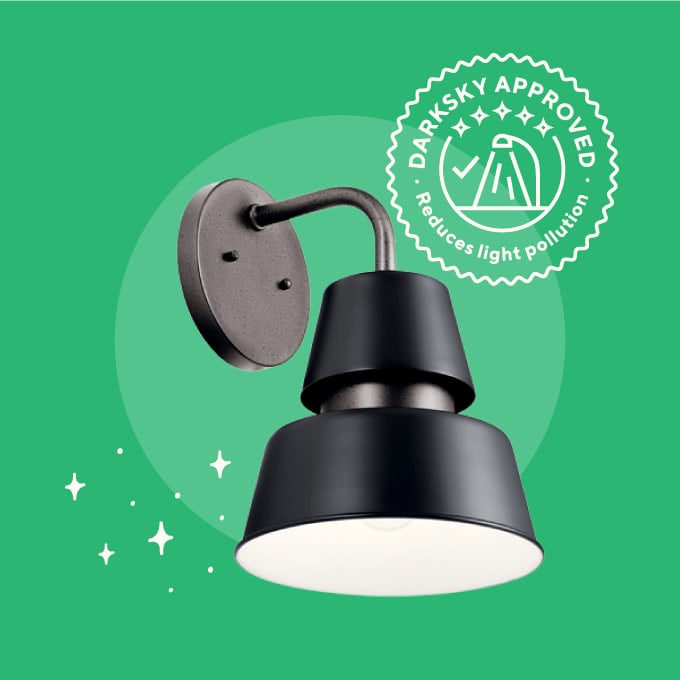
For certification in the International Dark Sky Places program, we define an outdoor light as, “a luminaire (i.e., light fixture) designed to have exposure to the elements that the location of the fixture demands and/or which is required of the fixture by code.” Luminaires on the site that are exposed to the elements (e.g., wind, rain, snow, humidity, salt); whose infrastructure is designed to meet an exterior grade rating; or that are installed in a non-controlled, non-interior environment fall under this definition.
In other words, fixtures that are only enclosed by screens, building egress coverings, awnings, roofs, lofts, or other structures that do not fully encapsulate the space or provide protection from external conditions are considered outdoor lighting, since they are exposed to the elements. All of these light fixtures must be included in the lighting inventory and must comply with the site’s Lighting Management Plan or Policy.
The first step will be to apply the Five Principles for Responsible Outdoor Lighting to each light, which you can determine by following this graphic. You may also use this Dark Sky Assessment Guide by the Utah Community Development Office for your analysis. To find metrics about light levels and color, you can often find specifications stamped on the bulb directly or on the packaging. Many fixtures have serial numbers that can be used to search for information about the quality of light they emit. Specialized equipment such as illuminance meters and spectrometers may be used to measure existing light values but are not required. Additionally, any product listed in our DarkSky Approved database that is mounted and used appropriately is assumed to comply with Place Guidelines.
Dark Sky Communities need to demonstrate that publicly owned or leased lighting (i.e., lighting that may be owned by the local utility company but exists to benefit the community as a whole) is 100% compliant within five years. This lighting serves the Community’s more significant needs, including street lighting, municipal parks, and lighting on municipal government buildings. For examples of Community commitment to demonstrating quality lighting, refer to the following certified nominations:
No. All existing and newly installed publicly owned lighting must be compliant at the time of application or must be scheduled to become compliant within five years of receiving the certification. However, there are no compliance rate requirements for private lighting at this time. Instead, DarkSky International requires Communities to include a ten-year amortization period for all private and public fixtures to comply after the policy is officially adopted. As lights are gradually replaced with new, efficient fixtures, the local authority will be responsible for guiding private entities to follow dark-sky and community-friendly standards where appropriate. In both the application and annual reports, we expect ongoing efforts to work with private entities to improve lighting over time.
Additionally, Dark Sky Communities will not be certified — or will risk jeopardizing losing their certification if awarded — if they permit bad or inappropriate uses of lighting.
Lighting policies – ordinances, bylaws, lighting management plans, planning documents, codes, or other legal documentation – help keep communities and agencies accountable by identifying standards and expectations for acceptable outdoor lighting.
The purpose is to develop outdoor lighting standards that reduce glare, light trespass, and sky glow. The policy must incorporate a comprehensive structure that administers the identified tasks and locations of light within the Community while also including all of the minimum standards for permanent lighting installations defined by the International Dark Sky Community Guidelines. Lighting required by law under the authority of any legal jurisdiction higher than that of the Community may be exempted from the requirements of DarkSky’s Guidelines.
The short answer is no, there is not. Each Dark Sky Community is unique in terms of population size, lighting zones, and uses of light. The policy should be flexible and not use a blanket statement to cover all lighting tasks.
DarkSky International suggests incorporating our Values-Centered Approach to implement a balanced lighting program that effectively reduces light pollution. In addition, Community applicants and partners within a Reserve’s periphery are encouraged to review DarkSky’s Model Lighting Policy document, which borrows language from adopted lighting policies, and policies from our certified International Dark Sky Communities.
Note: Our Guidelines have changed in the past and probably will again, to accommodate advances in science and technology. Therefore, it is important to make sure that the ordinance you are following is under the most current version of the Guidelines. Communities that rely on planning documents may follow the guidance from the Towards a Dark Sky Standard document developed by the UK Dark Skies Partnership.
Non-municipal management agencies may use our Sample Lighting Management Plan template.
In addition to meeting the minimum requirements stated in the Guidelines, the applicant is encouraged to write the document to comply with local legislative frameworks and relevant standards. The policy or planning document is most effective when it supports existing processes and has the local authority’s support.
Advocates and government entities can draft policies and planning documents to propose for approval and adoption. Active applicants in the Places program can work with DarkSky staff to receive guidance and feedback during the policy development process. Following the development process, these documents are typically finalized by planners and presented to government officials for approval. Once approved, policies are administered and enforced by local officials. Follow this link to learn more about identifying whether your community has an outdoor lighting policy, how to ensure that the policy is enforced, and how to advocate for an outdoor lighting policy.
In most municipalities, enforcement takes place only when a complaint is made. To increase the success and widespread acceptance of the policy or planning document, the community must provide several examples of outreach and education materials. Residents and businesses must be encouraged to volunteer to uphold the best-known outdoor lighting practices.