







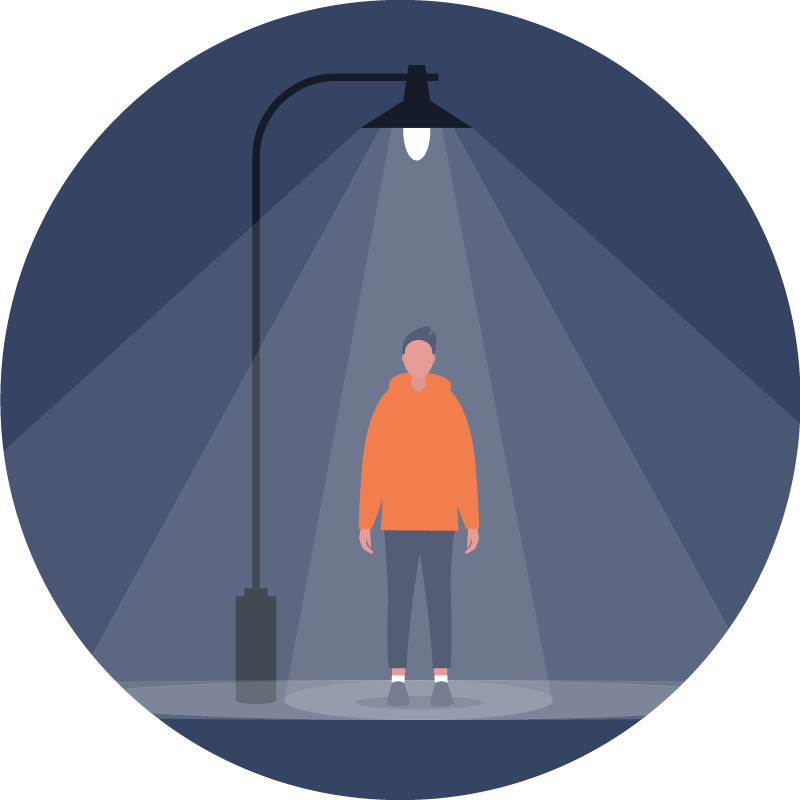

For many, night and darkness are associated with fear, or at least with insecurity. We worry about what might be lurking in the shadows or what lies just beyond the edge of sight. In response, we flood darkness with artificial light to ease these anxieties, even when that light does little to improve how well we actually see.
It is important to recognize that, while light can improve safety, deep, instinctive, and cultural biases have shaped this understanding, often diminishing the value of night.
Throughout history, particularly during periods of oppression, day and night often carried inverted meanings. Daylight brought exposure, surveillance, and risk. Night, by contrast, offered the possibility of movement and gathering beyond view. For those living under constant control, darkness was not feared, but valued.
Few histories illustrate this more clearly than those of the Maroons, communities formed by people who escaped enslavement across the Americas and built independent lives in remote, unforgiving landscapes where darkness itself was essential to freedom.
From the seventeenth through the nineteenth centuries, enslaved people fled plantations across the Caribbean, the southeastern United States, and other colonial regions. Some traveled alone, others in groups. Many never reached safety.
Those who did often disappeared into dense forests, rugged mountains, and formidable swamps, where they established settlements that came to be known as Maroon communities.
For Maroons, darkness was not an obstacle. It was an advantage.
Their routes were rarely fixed or recorded. Movement followed animal trails, river corridors, and narrow ridgelines, undertaken under cover of darkness. Traveling at night reduced the risk of detection and allowed escapees to move through landscapes that colonial forces struggled to patrol, particularly without local knowledge.
For Maroon communities, darkness was not a void, but a space of sovereignty, a place to live freely and a powerful counterpoint to the forced labor and surveillance of daylight life under colonial rule.
The influence of life in hiding and operating by night extended beyond travel. It shaped daily survival and, over time, took root in lasting cultural practices.
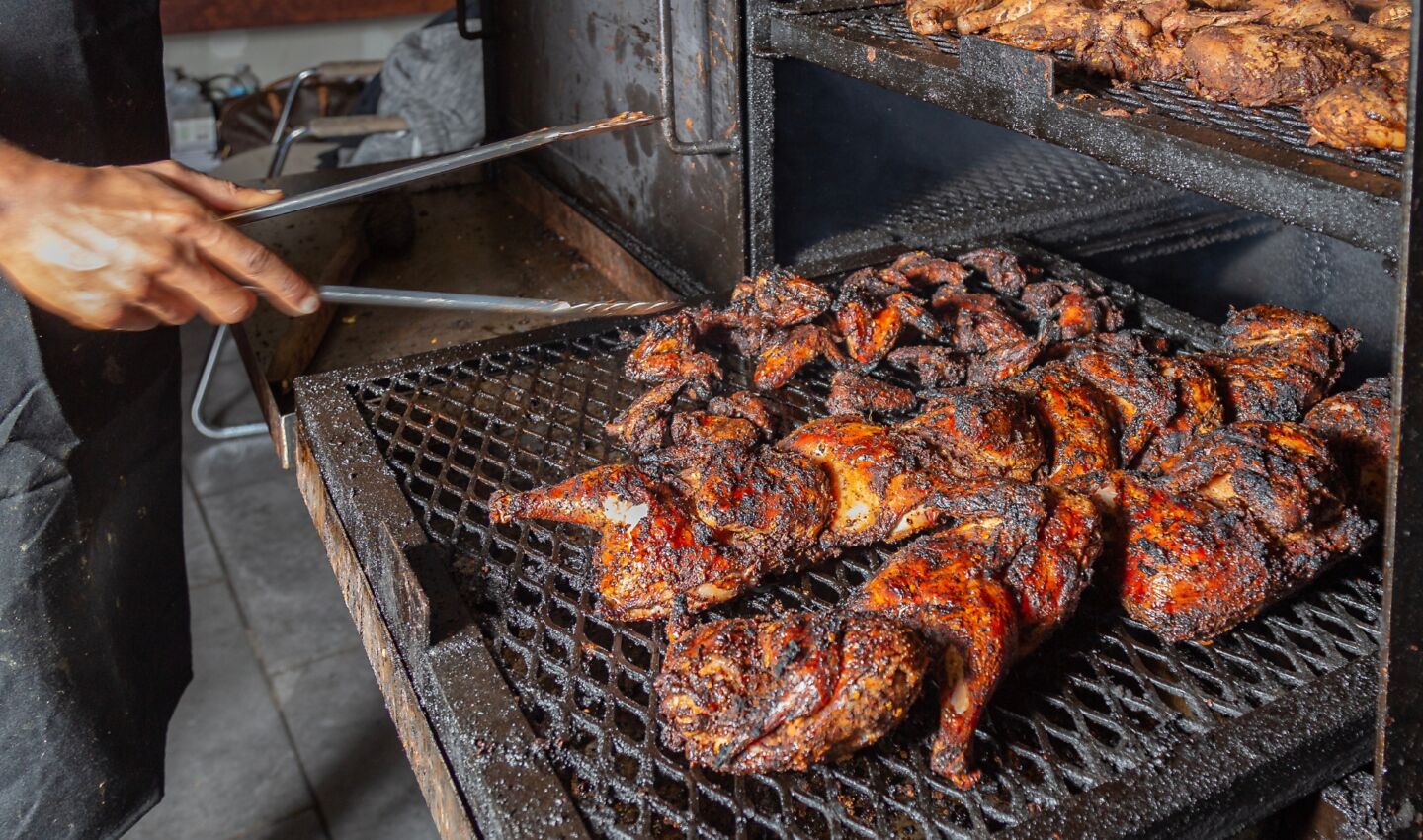
Jerk cooking, now widely associated with Jamaica, traces its origins to Maroon communities. Its early purpose was not celebration but necessity. Open flames and visible smoke posed serious risks. By day, smoke could reveal the presence of a camp; by night, firelight could expose its location to pursuing forces.
To reduce detection, Maroons developed cooking techniques that limited both. Meat was seasoned with local spices and slow-cooked, often wrapped in leaves and buried beneath embers. These practices preserved food in humid environments while minimizing visible signs of encampments.Over time, as communities became more secure, these methods evolved into enduring traditions. What began as a practical necessity became a defining element of modern identities.
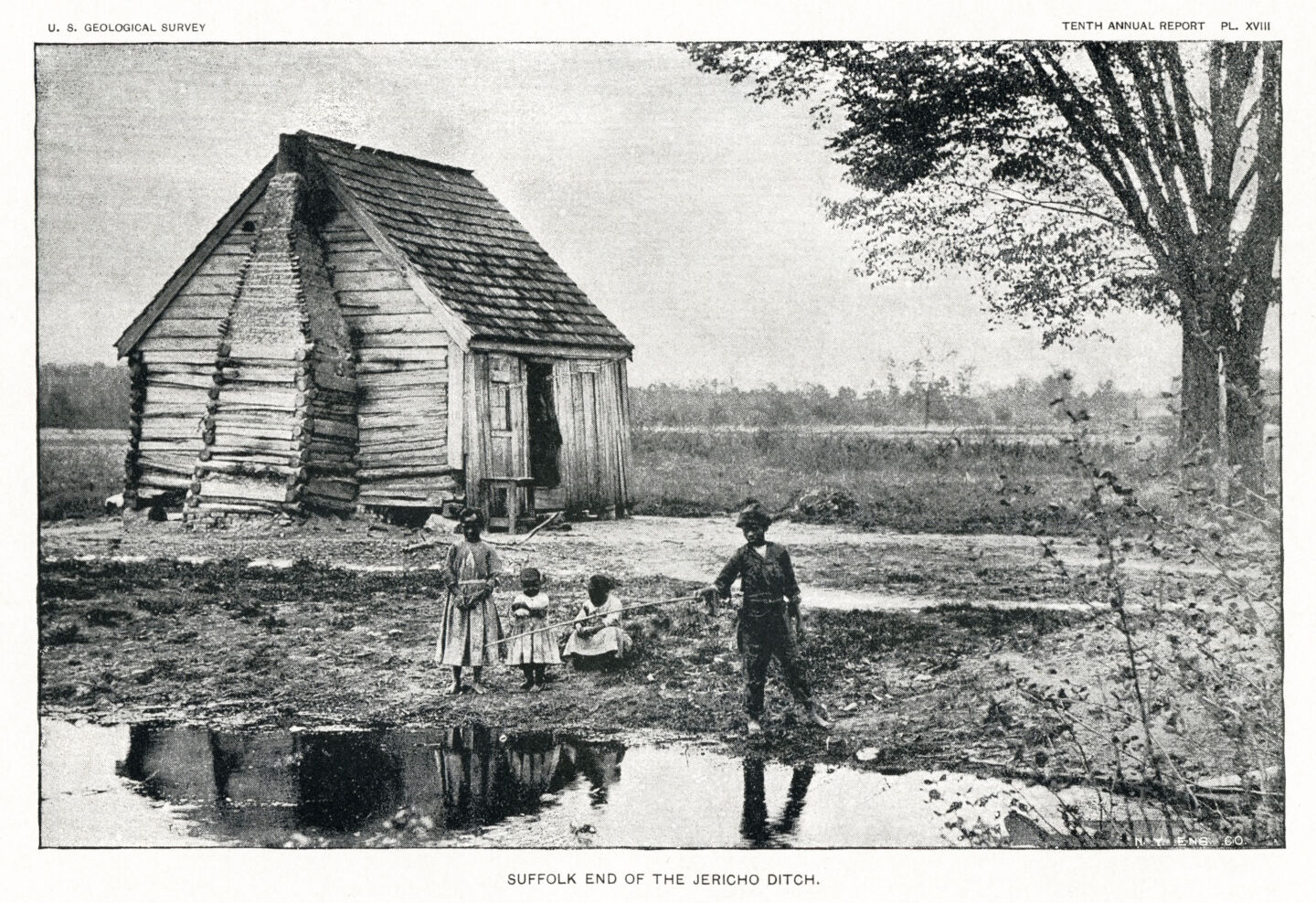
Maroon communities appeared wherever enslaved people escaped and found landscapes that offered refuge. While Jamaica’s Maroons are among the most extensively documented, similar settlements emerged in places ranging from the Great Dismal Swamp of the United States to the rainforests of Brazil.
Despite regional differences, common strategies arose from shared necessity on impenetrable landscapes and a reliance on darkness.
Night travel as a tactical tool: Moving in darkness offered a way to travel safely, especially before modern surveillance.
Moon phase knowledge: Choosing nights with specific lunar illumination, or intentionally moving on new-moon nights to remain unseen, was common. Moonlight could reveal enough terrain to travel safely while still offering concealment.
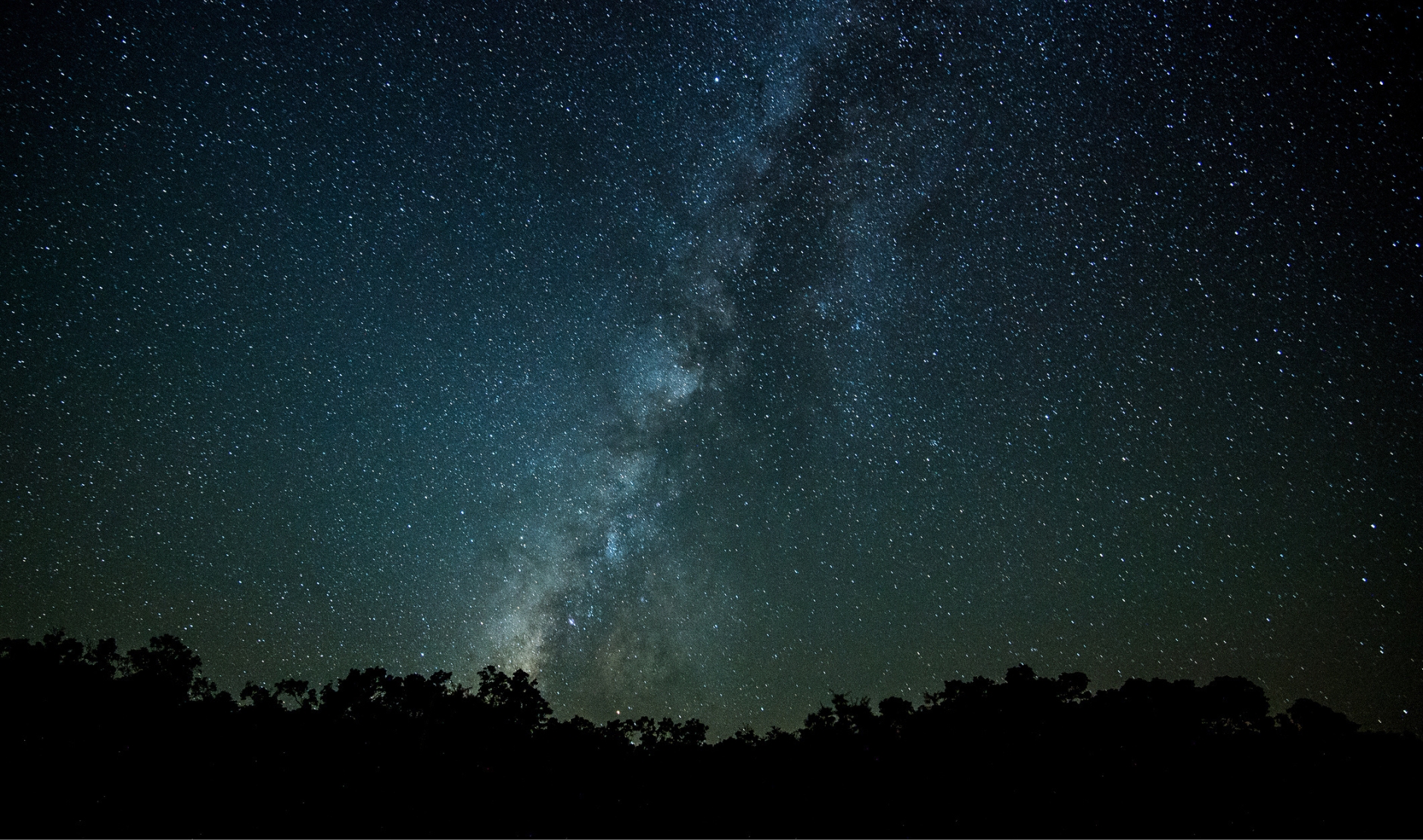
Star navigation: The night sky offered orientation in dense forests and on long treks. The North Star, constellations, and seasonal celestial shifts gave reference points in landscapes that otherwise erased familiar landmarks.
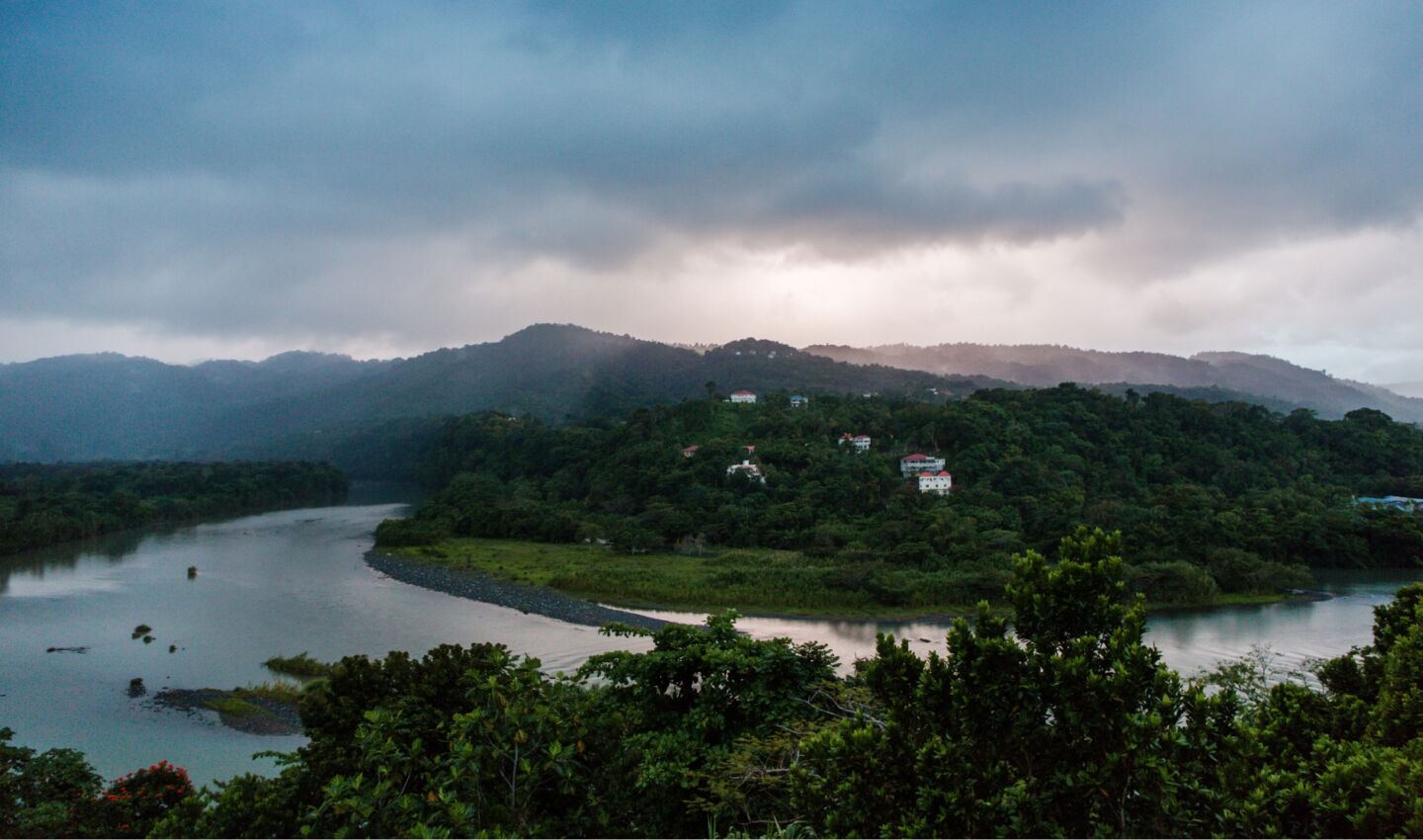
In many societies today, artificial light is treated as a marker of safety and progress, while darkness is something to be eliminated. This view overlooks the role night has played for those who were never protected by light.
Today, Maroon communities in Jamaica, including Accompong and Charles Town, continue to carry this history forward. Ceremonies, music, and oral traditions sustain connections to ancestors and land, practiced beneath the same night skies that once guided escape, settlement, and survival.
Protecting dark skies reaches beyond preserving views of the stars. It is a recognition of a balance that has long been relied on across cultures and time.
Learn more about DarkSky’s mission and the importance of protecting our shared night sky heritage.