









Mecklenburg-Western Pomerania, Germany
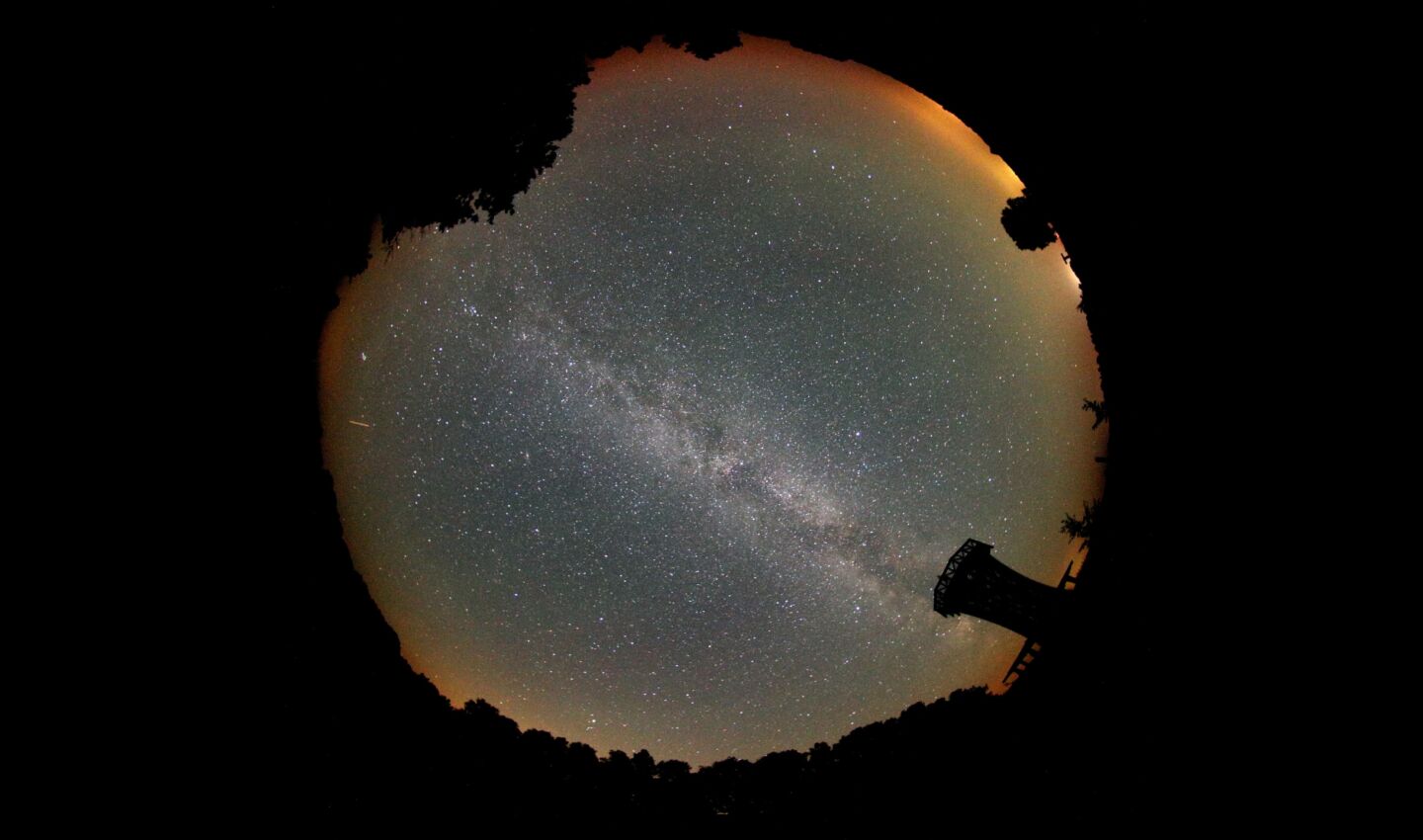
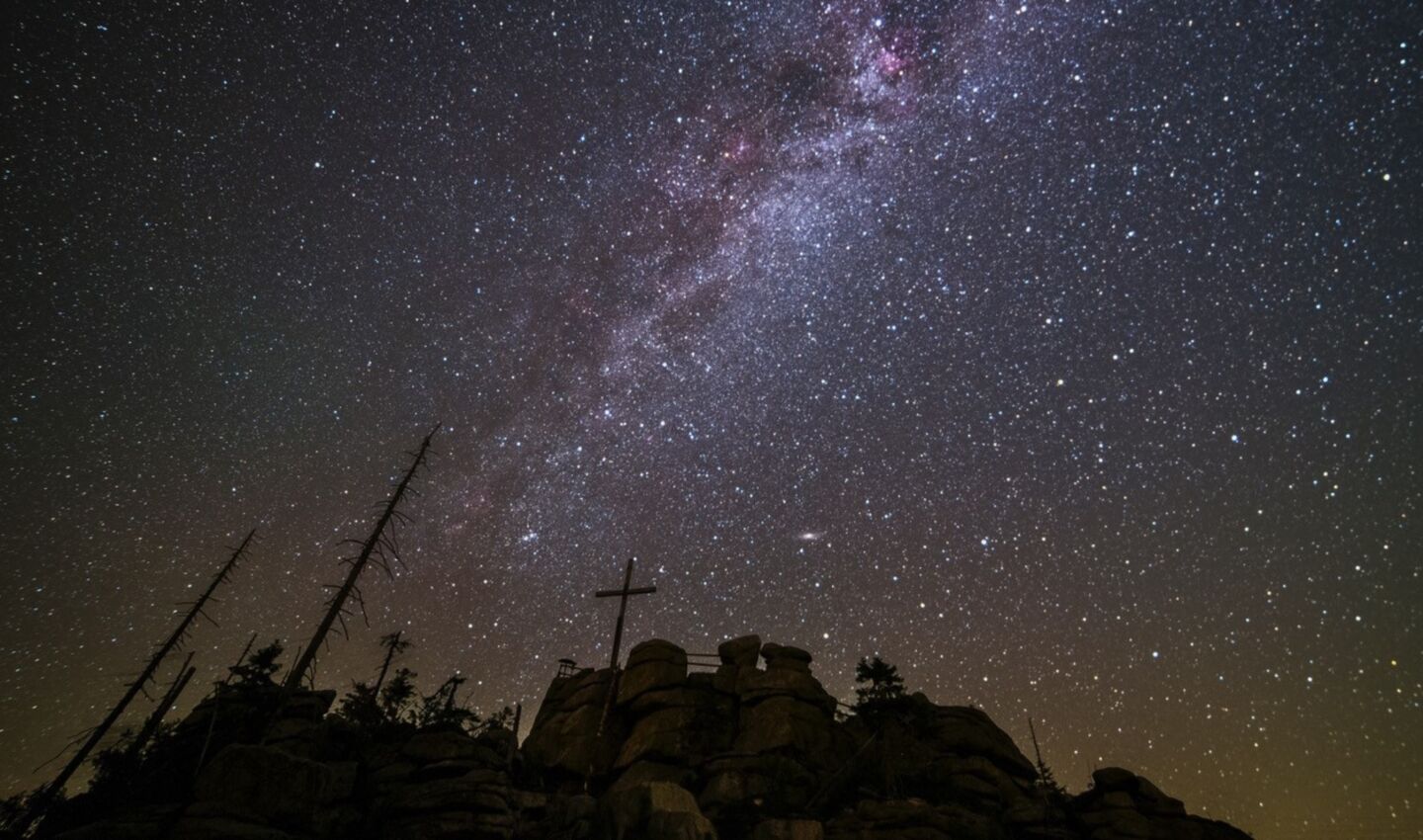
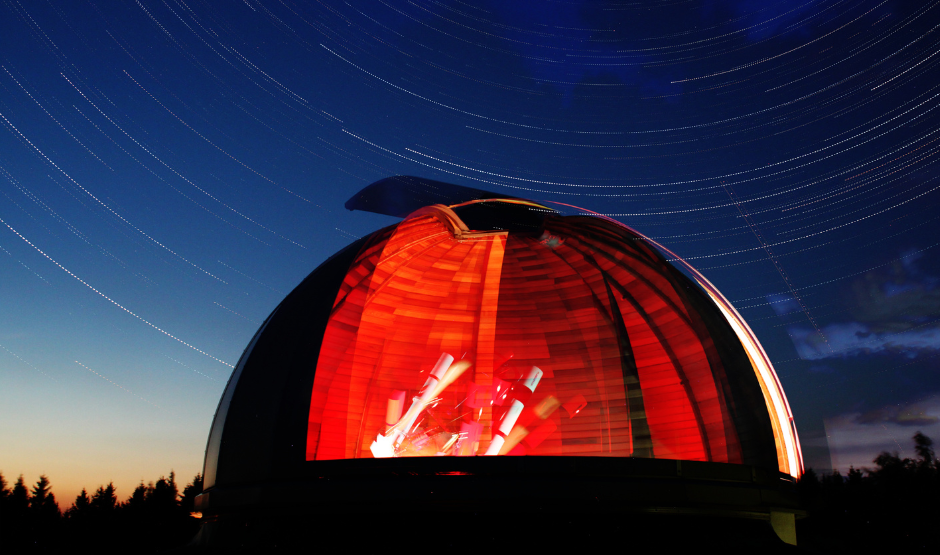
The Nossentiner/Schwinzer Heide Nature Park in Mecklenburg-Western Pomerania, Germany, has achieved official certification as an International Dark Sky Park by DarkSky International. This milestone, recognized at the 2025 DarkSky International Presidium meeting, honors the park and its support association’s long-term commitment to protecting natural darkness and reducing light pollution in one of Germany’s darkest regions.
The park, located in the Mecklenburg Lake District, features vast forests, former military and hunting lands, and a low population density of nine inhabitants per square kilometre—providing ideal conditions for dark nights and rich nocturnal wildlife.
Certification efforts began in 2013. The Nature Park, support association, 16 local municipalities, and other partners converted 600 public lights to shielded, efficient fixtures and conducted outreach, star guide training, and stargazing sessions.
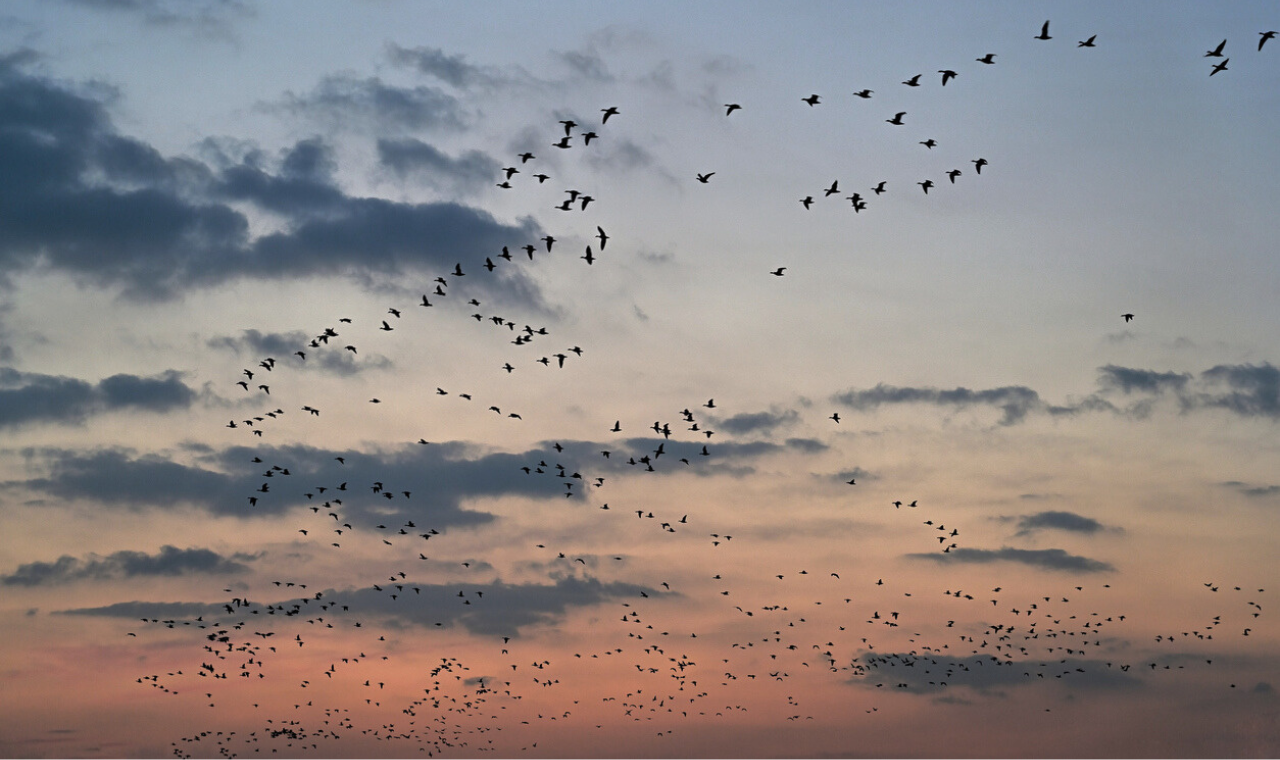
The Nature Park has long celebrated its diverse program of events, sharing the wonder of the night sky with the community. Offerings such as Perseid and moon nights, owl excursions, and moonlight paddling tours attract both locals and visitors, ensuring the Nature Park and Star Park remain vibrant and accessible all day and especially at night.
“As the first and oldest nature park in Mecklenburg–Western Pomerania, this Park demonstrates what coordinated conservation can achieve at scale. Bringing 16 municipalities together around shared goals—bat protection, biodiversity conservation, and verified night sky quality—it has built a collaborative framework that delivers ecological, social, and economic benefits. As northern Germany’s first Dark Sky Park, it now serves as a strong regional and international partner and a credible foundation for a future reserve-scale landscape,” remarked Amber Harrison, International Dark Sky Places program manager.
The award is also being recognised at a political level. At the announcement of the certification at Green Week in Berlin, Environment Minister Dr. Till Backhaus said:
„I was in the astronomy club at school, and you don’t have to fly to the moon to enjoy the stars. Knowing the constellations or simply seeing and appreciating the Milky Way on a clear night is a magnet for many people in Mecklenburg-Western Pomerania because this kind of darkness is rare in many places nowadays. That’s why I’m really grateful that we were able to support this project with LEADER funding, and I’m delighted that we received this international certificate.”
Christian Brade, a member of the Mecklenburg-Western Pomerania state parliament, emphasises the uniqueness of the project:
„The fact that our Nossentiner/Schwinzer Heide Nature Park is now an International Dark Sky Park is unprecedented in Mecklenburg-Western Pomerania. I would like to thank everyone who has contributed to this over the years. For me personally, a wish has come true – one that I quietly expressed on a clear late summer’s night last year, as I lay under the starry sky and watched a shooting star pass by. My congratulations to the region.”
Ralf Koch, the nature park director who has been involved in the project from the outset, welcomes the certification with great joy: „We have grown a little longer and much richer! The region with the almost unpronounceable name ‘Nossentiner/Schwinzer Heide’ can now officially be called a Nature Park and International Dark Sky Park. Darkness and progress, sparse population and future – these are the things we live for here. This success is thanks to the willingness to change, perseverance, and creativity of many dedicated individuals. The region has won, and we are very proud of that.”
„With its recognition as an International Dark Sky Park, a flagship project of the nature park plan has now been successfully implemented, involving collaboration between many different stakeholders. I would like to congratulate everyone who has contributed to this success story,” says Heike Culmsee, Head of the Department for Nature Conservation and Nature Parks at the State Office for the Environment, Nature Conservation, and Geology.
The Nossentiner/Schwinzer Heide Nature Park and International Dark Sky Park remain dedicated to protecting the night sky. Fully transitioning lighting in Dark Sky communities is an ongoing objective. Protecting darkness supports biodiversity, enhances the starry sky experience, and benefits regional health. Strengthening regional identity and adding value to the area through this status will continue as key goals.
About the International Dark Sky Places Program:
Founded in 2001, the International Dark Sky Places Program is a non-regulatory, voluntary program that encourages communities, parks, and protected areas worldwide to preserve and protect dark sites through effective lighting policies, environmentally responsible outdoor lighting, and public education. When used indiscriminately, artificial light can disrupt ecosystems, impact human health, waste money and energy, contribute to climate change, and block our view and connection to the universe. Nossentiner/Schwinzer Heide Nature Park now joins more than 260 Places that have demonstrated robust community support for dark sky advocacy and strive to protect the night from light pollution. Learn more by visiting https://darksky.org/what-we-do/international-dark-sky-places/.
About DarkSky International:
The mission of DarkSky is to preserve and protect the nighttime environment and our heritage of dark skies through environmentally responsible outdoor lighting. Learn more at darksky.org
Media Contacts
Marina Kahrmann
Förderverein des Naturparks Nossentiner/Schwinzer Heide e.V.
(Friends of the Nossentiner/Schwinzer Heath Nature Park)
[email protected]
+49385 588 64 871
Amber Harrison
Dark Sky Places Program Manager, DarkSky International
520-347-6363
[email protected]