









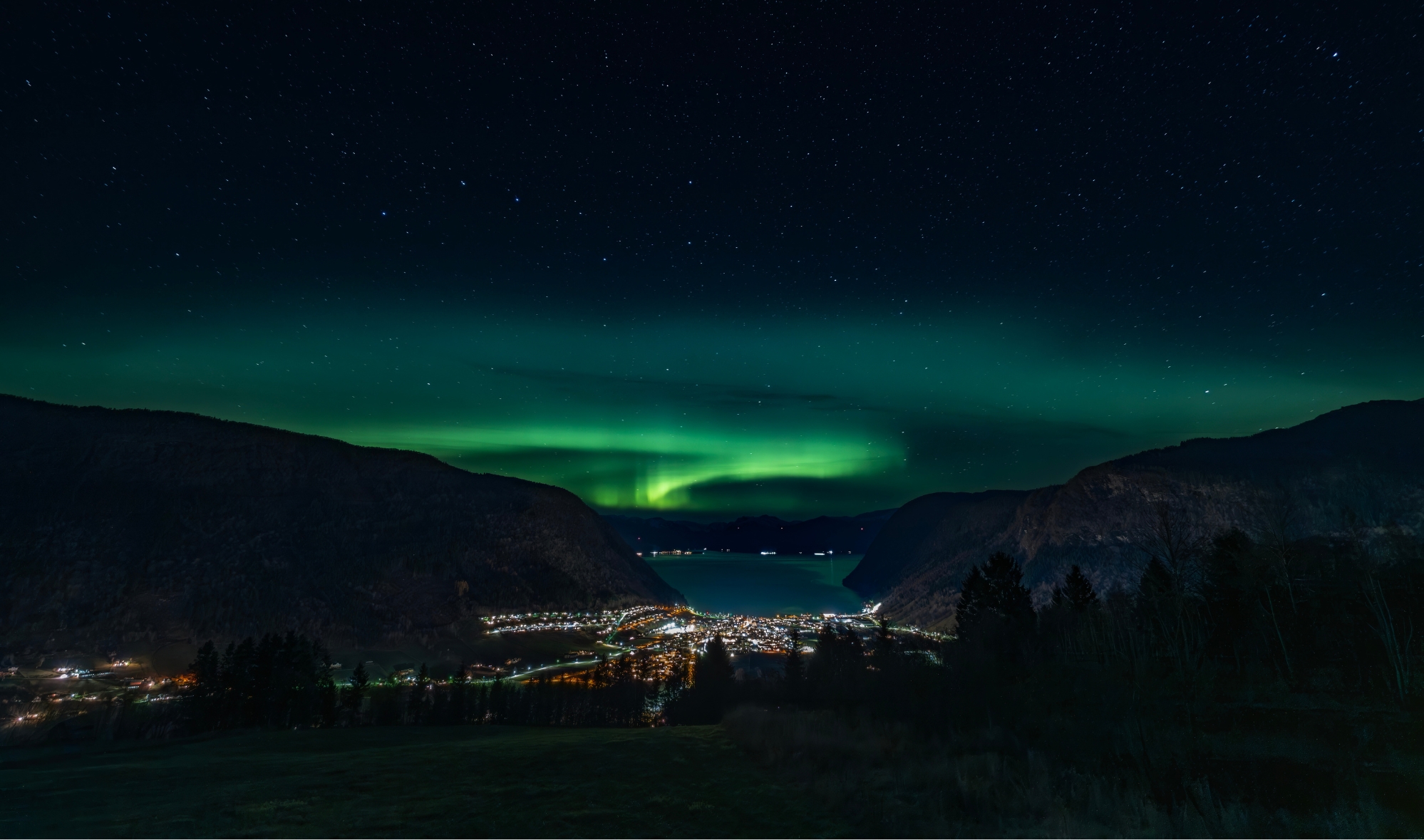
During International Dark Sky Week, requesting a proclamation or letter of support is a meaningful and accessible way to raise awareness about light pollution and the importance of responsible outdoor lighting. These requests can help bring attention to practical lighting solutions, highlight the benefits of protecting the night sky, and open the door to productive, long-term conversations with community leaders and decision-makers.
To help you get started, we’ve put together the following guide and resources, beginning with the basics and offering simple steps you can adapt to your local context.
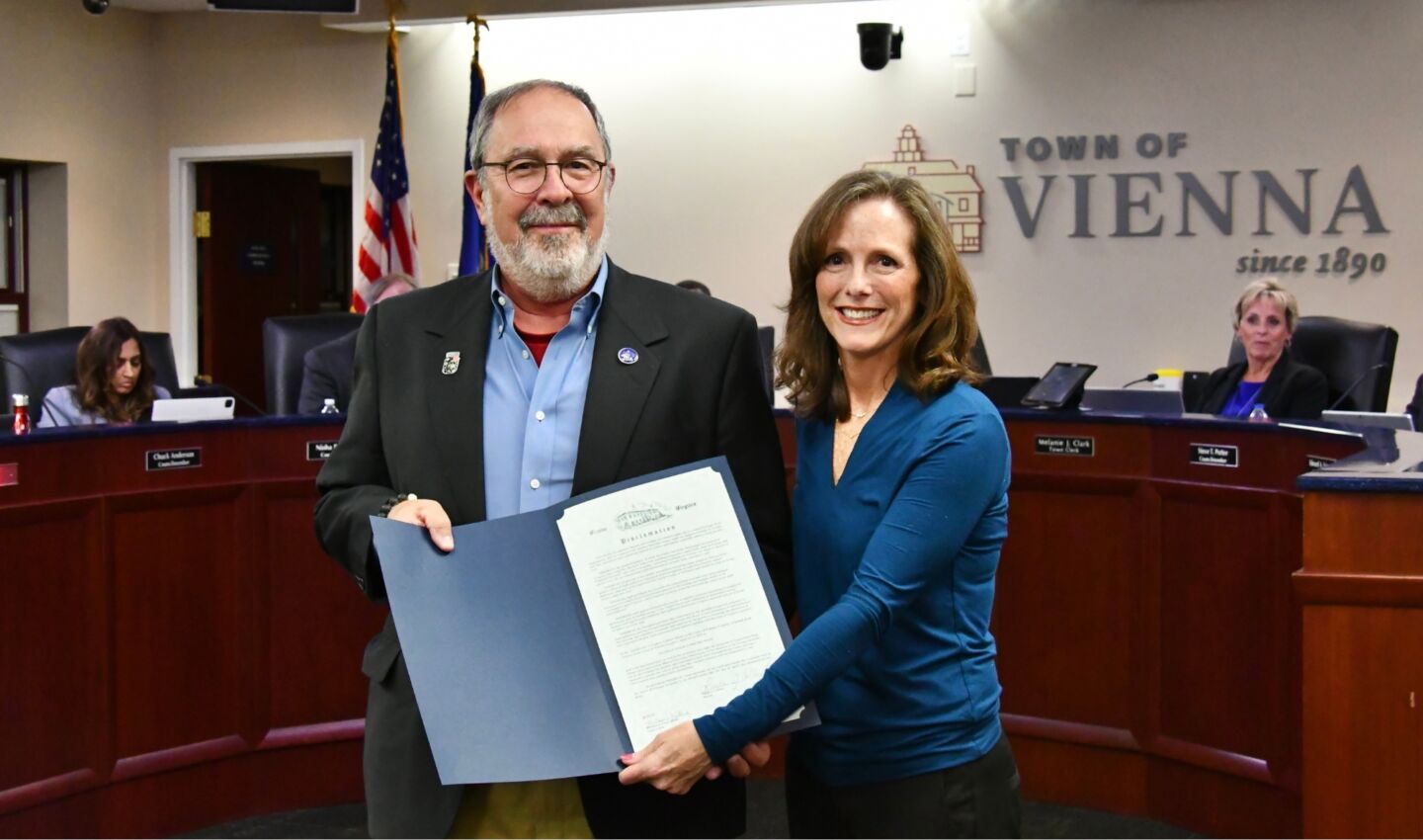
Proclamations—sometimes called letters of support—are formal statements signed by local governments or institutions that recognize important causes or events. While they do not create new laws or policies, proclamations serve as an official expression of support and visibility.
Proclamations and letters of support are more than symbolic gestures. They are effective tools for advocacy, education, and public engagement, drawing attention to International Dark Sky Week and helping communities recognize the importance of protecting the night sky.
Many advocates coordinate proclamations and letters of support with public star parties, educational programs, or local media outreach to extend their reach. Some DarkSky chapters and Advocates also celebrate proclamation signings by hosting star parties, speaker sessions, or symposiums during International Dark Sky Week, making this an ideal moment to showcase local dark sky efforts and engage the broader community.
In many cases, yes. Local representatives are often open to issuing proclamations or letters of support, especially when requests come from engaged residents and are tied to community values such as environmental stewardship, public safety, education, or quality of life.
In the United States, citizens play a key role in securing official recognition for International Dark Sky Week. In 2025, proclamations were issued across at least 27 states, including Hawaii, Kentucky, and New York. These efforts helped raise awareness and encouraged public engagement around responsible lighting and night sky protection at the local level.
Internationally, interest continues to grow. Proclamations supporting dark skies have been issued in countries including Australia, Canada, Austria, and the Cayman Islands, demonstrating that communities around the world are receptive to recognizing the importance of the night sky. Together, these examples show that advocacy works, and that local voices can make a meaningful impact.
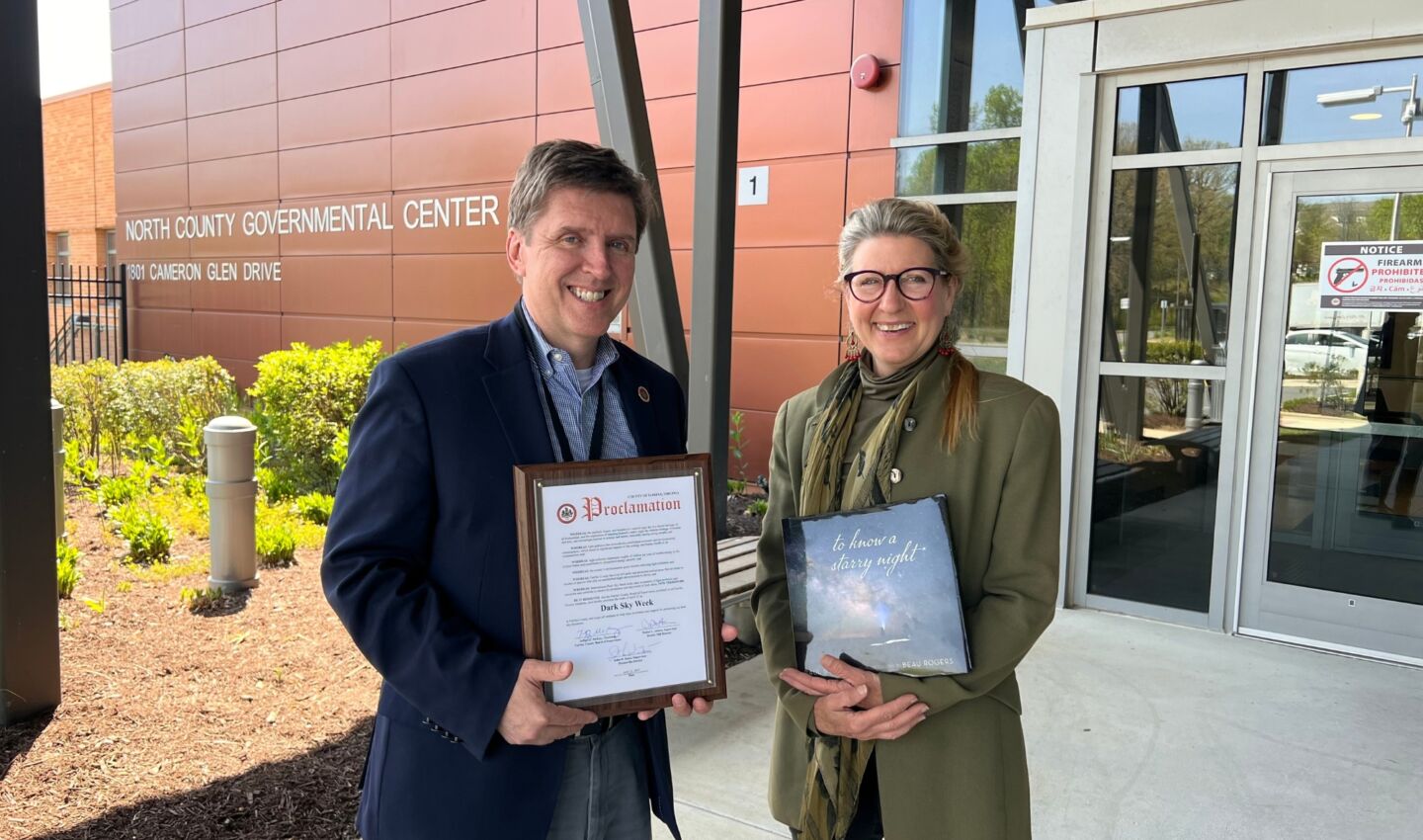
Proclamations and letters of support can be requested at many levels, including city, county, provincial, or state governments. Community-based organizations may also issue letters of support, such as homeowners’ associations, neighborhood councils, schools and universities, museums, observatories, libraries, and faith-based institutions.
Some government offices provide clear instructions online for submitting proclamation or letter of support requests. If no guidance is available, a brief email or phone call to your local representative’s office is often the best place to start. Staff can explain the process and let you know what information is needed in your area.
Start by researching your city, state, or community’s process and whether they offer proclamations or letters of support for causes or events. This step is place-dependent and can vary widely.
In the United States, many states, cities, and municipalities accept proclamation requests through simple online forms. In other countries, the process may be more informal and may require calling a local office to ask whether letters of support are offered. Taking time to understand the process in your area will help you find the best path forward.
A quick introductory phone call can also go a long way:
“Hello, my name is _, and I’m calling to ask about the process for requesting a proclamation or letter of support. Could you let me know who handles these requests for your office? I’m interested in requesting recognition of International Dark Sky Week, April 13–20, 2026, in [your community]. I’d appreciate any guidance on next steps or required materials.”
Once you have a clear understanding of how to submit a request—or who to contact to begin the process—complete the online application or send a formal request letter to the appropriate person or entity identified through your research.
Our template letter includes official International Dark Sky Week proclamation language and requires only minimal customization to get you started.
After submitting your request, follow up within the stated waiting period to confirm that it is moving forward. A brief phone call can be an effective way to check in.
Keep in mind that city and local government offices manage many requests, and proclamations may not be an immediate priority. Approach the process with patience and courtesy, but don’t be discouraged—polite persistence is often key to success.
Whether your proclamation is approved or still in progress, we want to hear about your efforts. Please email us to let us know if you are working on a proclamation so we can track participation worldwide. Use the form linked below to submit proclamations that are in progress.
If your community issues a signed proclamation or letter of support, please email a copy to [email protected] or upload it by using the same online form. Our goal is to see as many regions around the world as possible recognize International Dark Sky Week in 2026.
Receiving a proclamation or letter of support can serve as a springboard for deeper community engagement. Consider sharing the news with local media or pairing the proclamation with a public star party or educational event. These activities help raise awareness and encourage broader participation in dark sky–friendly practices.
Together, we can make International Dark Sky Week a globally recognized event and inspire communities around the world to take action to protect the night.
A: An International Dark Sky Week proclamation is an official statement from a government or institution recognizing the importance of protecting the night sky and supporting responsible outdoor lighting.
A: Proclamation requests can be submitted by individuals, DarkSky chapters, Advocates, or community organizations such as schools, museums, libraries, and neighborhood councils.
A: Proclamations and letters of support may be issued by city, county, provincial, state, or national governments. In some regions, requests can be made at more than one level.
A: Requests should be submitted well in advance of International Dark Sky Week to allow time for review. Following up politely can help ensure the request stays on track.