










DarkSky International is proud to announce the winners of the 2025 Capture the Dark photography contest.
They say a photograph is worth a thousand words. With over 2,200 entries, from over 22 countries, together we’ve created a powerful story of the night: revealing its wonder, exploring its mysteries, and inviting others to join us in our journey to protect it.
Thank you to all who participated in this year’s contest.
Capture the Dark | International Dark Sky Places | Dark Sky Friendly Lighting and Design | The Impact of Light Pollution | Creatures of the Night (flora & fauna) | Deep Sky Observations | Mobile Nighttime Photography | Young Astrophotographers
People’s Choice Award | Visit Utah Location Award | Visit Tucson Location Award
Read the official press release: Capture the Dark 2025 winners announced
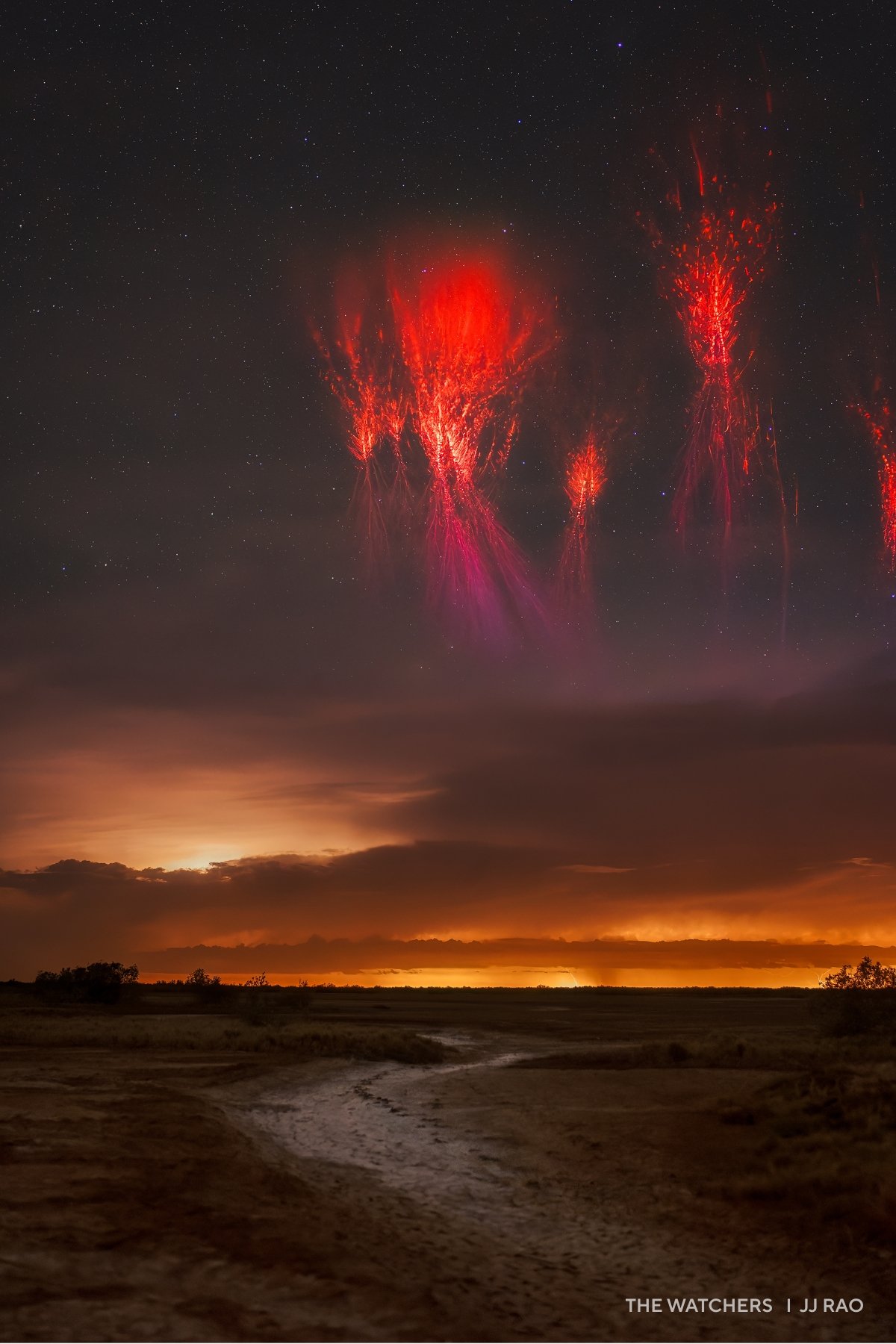
“Rare red sprites dancing over the tidal flats of Western Australia. A large sprite like this exists for 10 milliseconds, up to 40x faster than an eye blink. This makes photographing them challenging and requires very dark skies. The central sprite is unusual. It’s known as a ‘jellyfish’ sprite, the largest and fastest of all sprites.”
Award
First place | Capture the Dark
Location
Derby, Australia
Technical details
Stacked | Sony a7IV | Lens: Sigma 35mm f1.4 Art | Aperture: f/1.4 | Shutter speed: 3.2s | ISO: 4000
Social media
Instagram: @nature.by.jj
Award
Second | Capture the Dark
Location
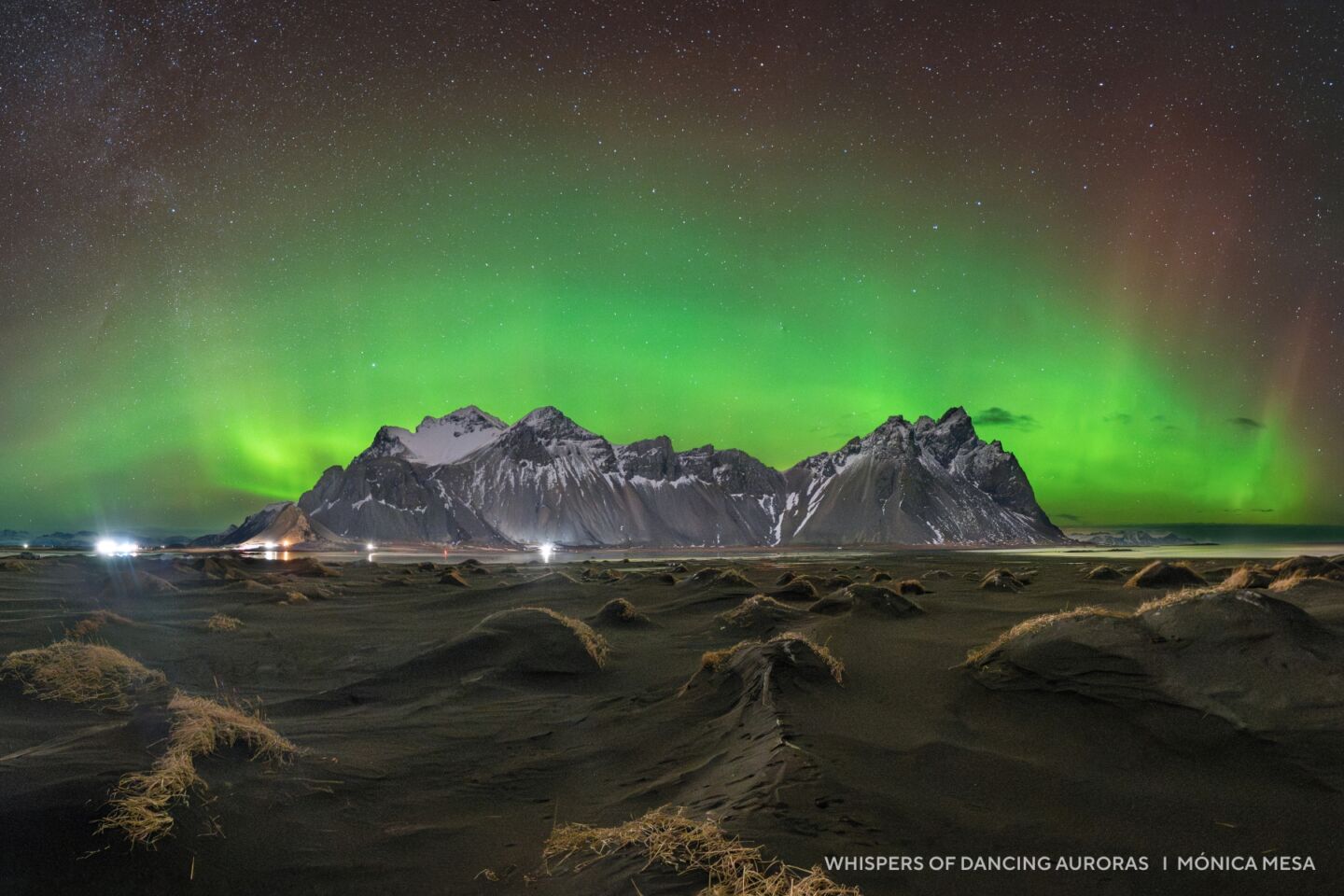
Vestrahorn, Iceland
Technical details
Panorama | Nikon Z6 | Lens: Nikon Z 14-30mm f/4 | Aperture: f/4 | Shutter speed: 13 secs for sky, and 30 secs for foreground | ISO: 6400 for sky, and 12800 for foreground
Social media
Instagram: @monimesita
Award
Third place | Capture the Dark
Location
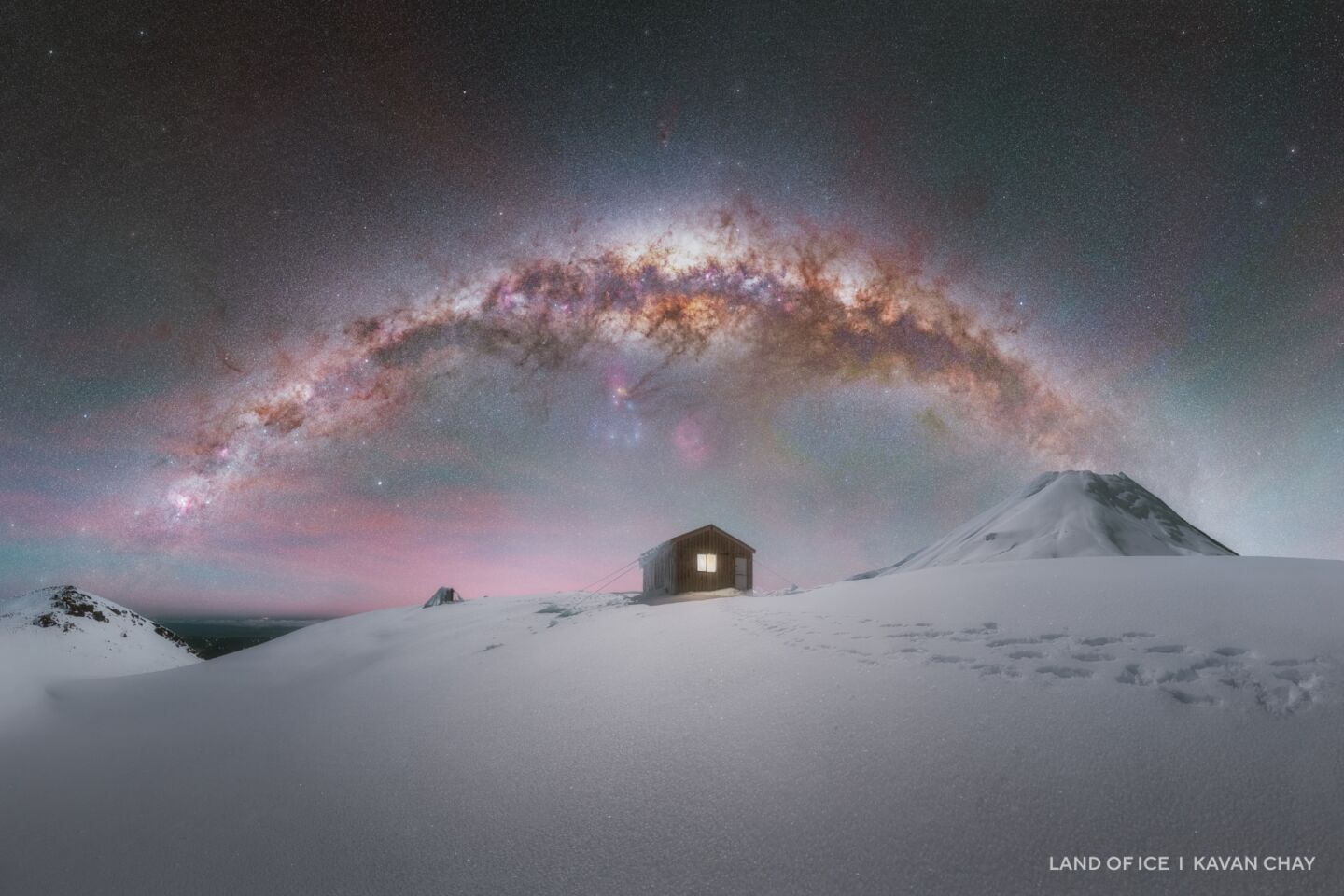
Te Papa-Kura-o-Taranaki, New Zealand
Technical details
Tracked Panorama | Nikon Z7, astromodified | Lens: Sigma Art 40mm f1.4| Aperture: Sky: f/1.8; Foreground: f/6.3 | Shutter speed: Sky: 30s; Foreground: 30s | ISO: Sky: ISO1250; Foreground: ISO2000
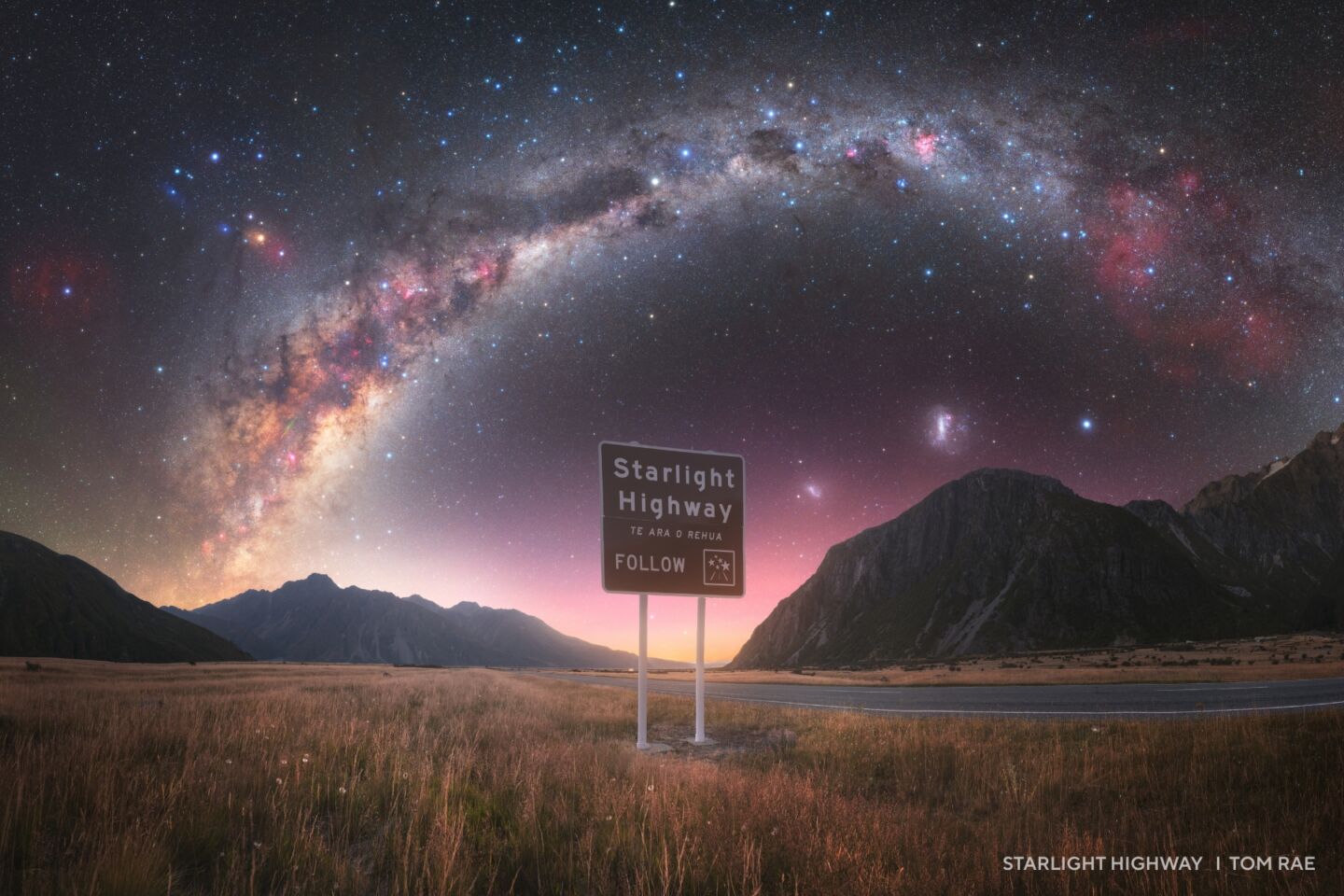

“The Starlight Highway sign is definitely one of the cooler signs to find on the road, and there is a good reason for it, as you can see! The sign marks the entrance to the Aoraki Mackenzie International Dark Sky Reserve—one of the most significant dark sky reserves on earth.”
Award
First place | International Dark Sky Places
Location
Aoraki Mackenzie International Dark Sky Reserve, Canterbury, New Zealand
Technical details
Tracked Panorama | Nikon Z6a | Lens: Sigma 28mm F1.4 Art | Aperture: F2.5 Sky – F8 Foreground | Shutter Speed: 30s Sky / 10s Foreground| ISO: 3200 Sky / 800 Foreground
Social media
Instagram: @txmrae
Award
Second place | International Dark Sky Places
Location
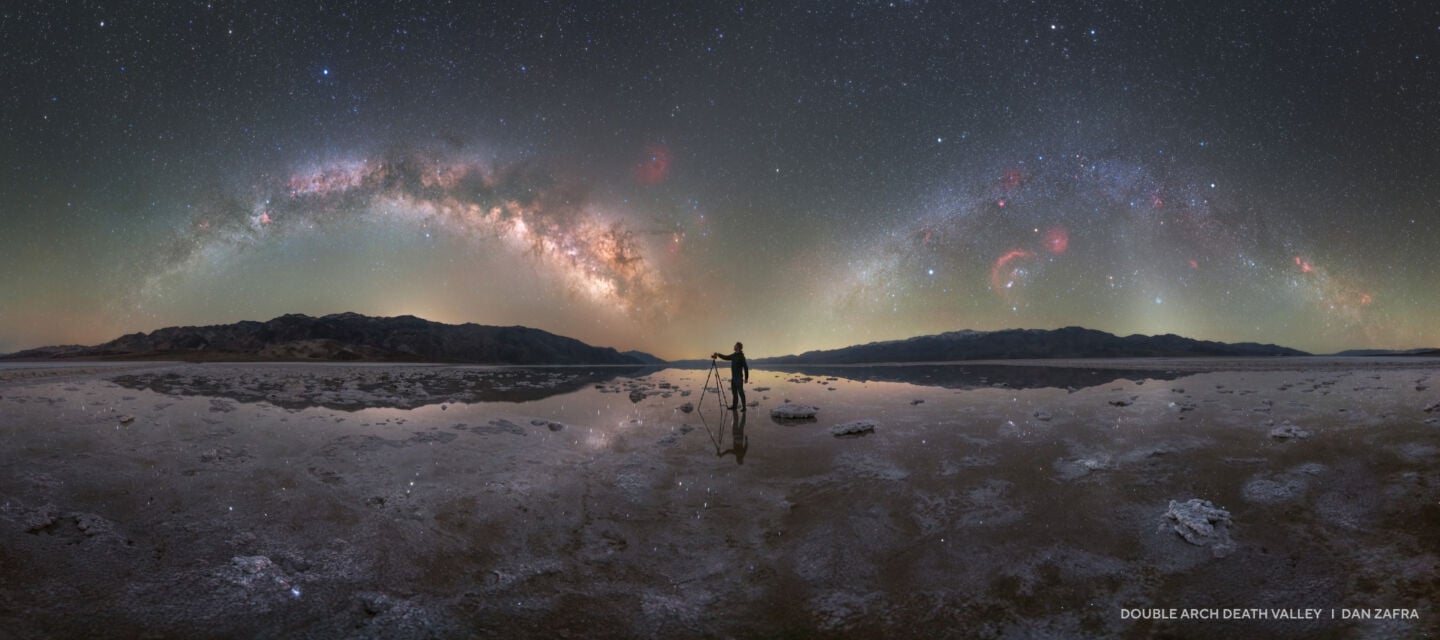
Death Valley International Dark Sky Park, California, United States
Technical details
Tracked Panorama | Sony A7III | Lens: Sony 20 mm f/1.8 | Aperture: f/2.5 | Shutter Speed: 60 sec. | ISO: 1600
Social media
Instagram: @danzafra
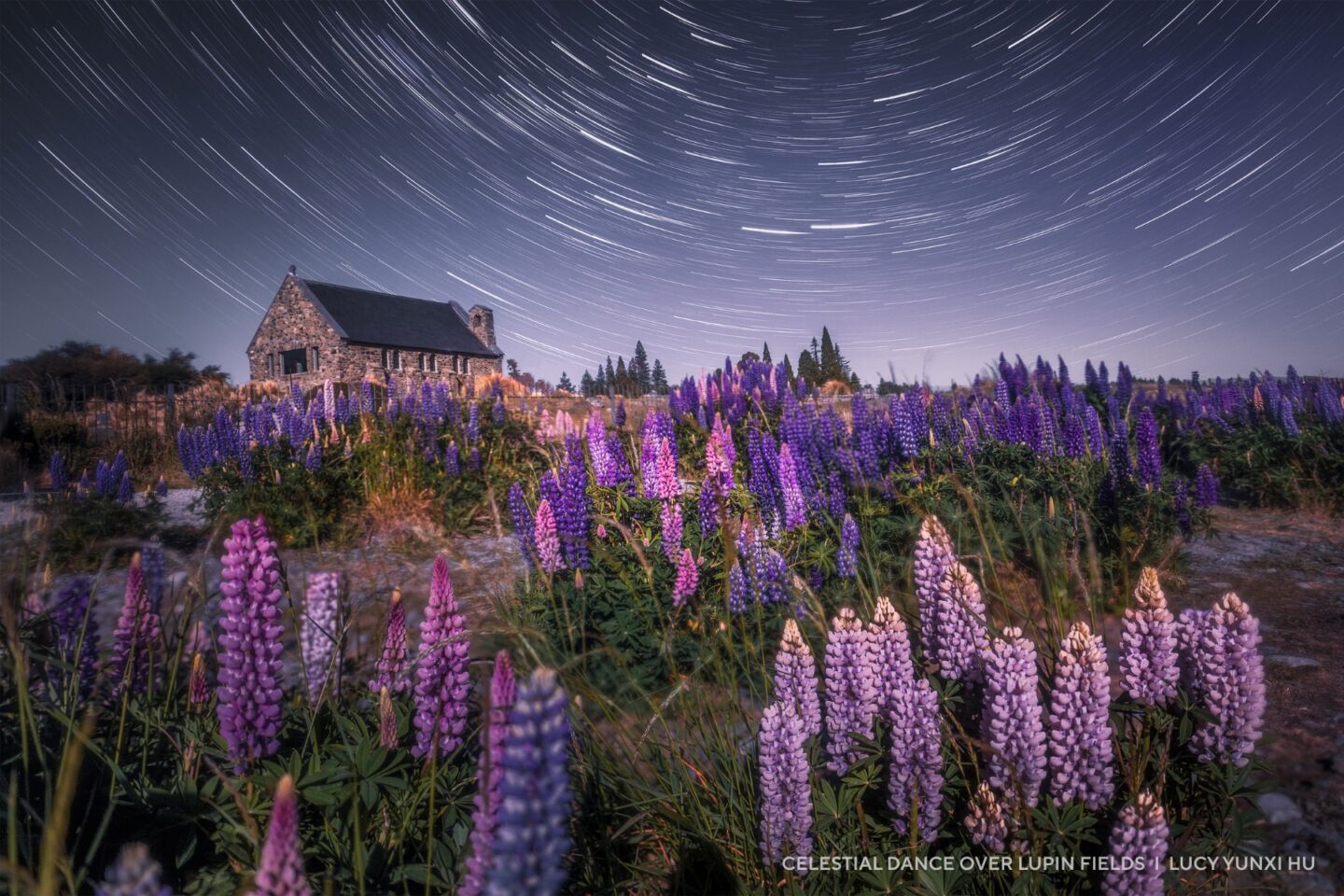
Award
Third place | International Dark Sky Places
Location
Aoraki Mackenzie International Dark Sky Reserve, Canterbury, New Zealand
Technical details
Stacked | Canon EOS R5 | Lens: Sigma 20mm lens at 20mm | Aperture: f/1.6 | Shutter Speed: 15s × 174, 15s × 3 | ISO: 100
Social media
Instagram: @astrolucyhu
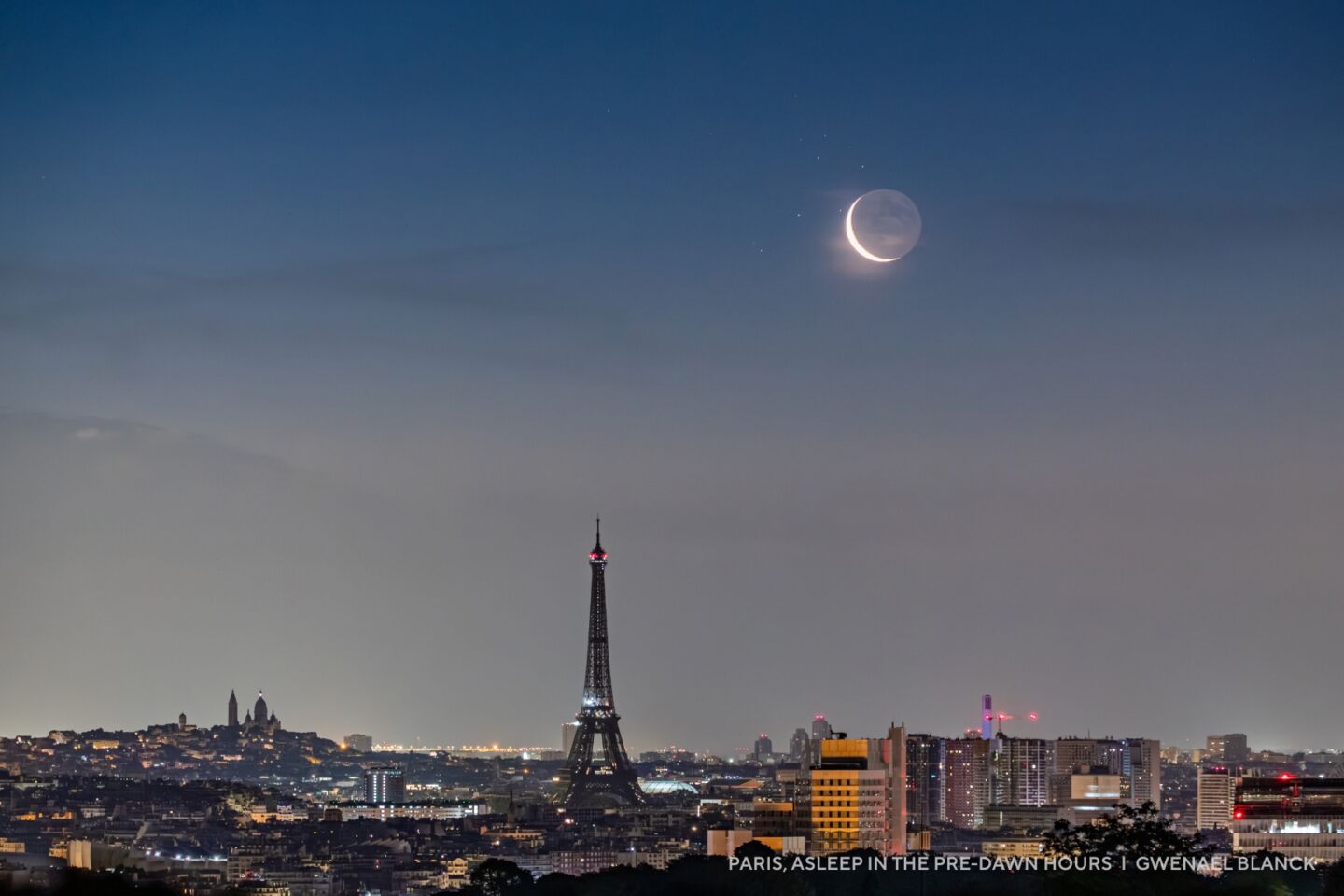

“Paris is known as the “City of Lights,” but after midnight, many iconic landmarks like the Eiffel Tower and Sacré-Cœur are turned off to save energy and reduce light pollution. I took advantage of the darker, less light-polluted sky to capture the Pleiades above the city, from a beautiful viewpoint in Sèvres, just 8 km from the Eiffel Tower.”
Award
First place | Dark Sky Friendly Lighting and Design
Location
Paris, Île-de-France, France
Technical details
Single exposure | Nikon Z6 | Lens: Nikkor Z 180-600mm f/5.6-6.3 VR | Aperture: f/6.3 | Shutter speed: 1s | ISO: 1600
Social media
Instagram: @gwen.blanck
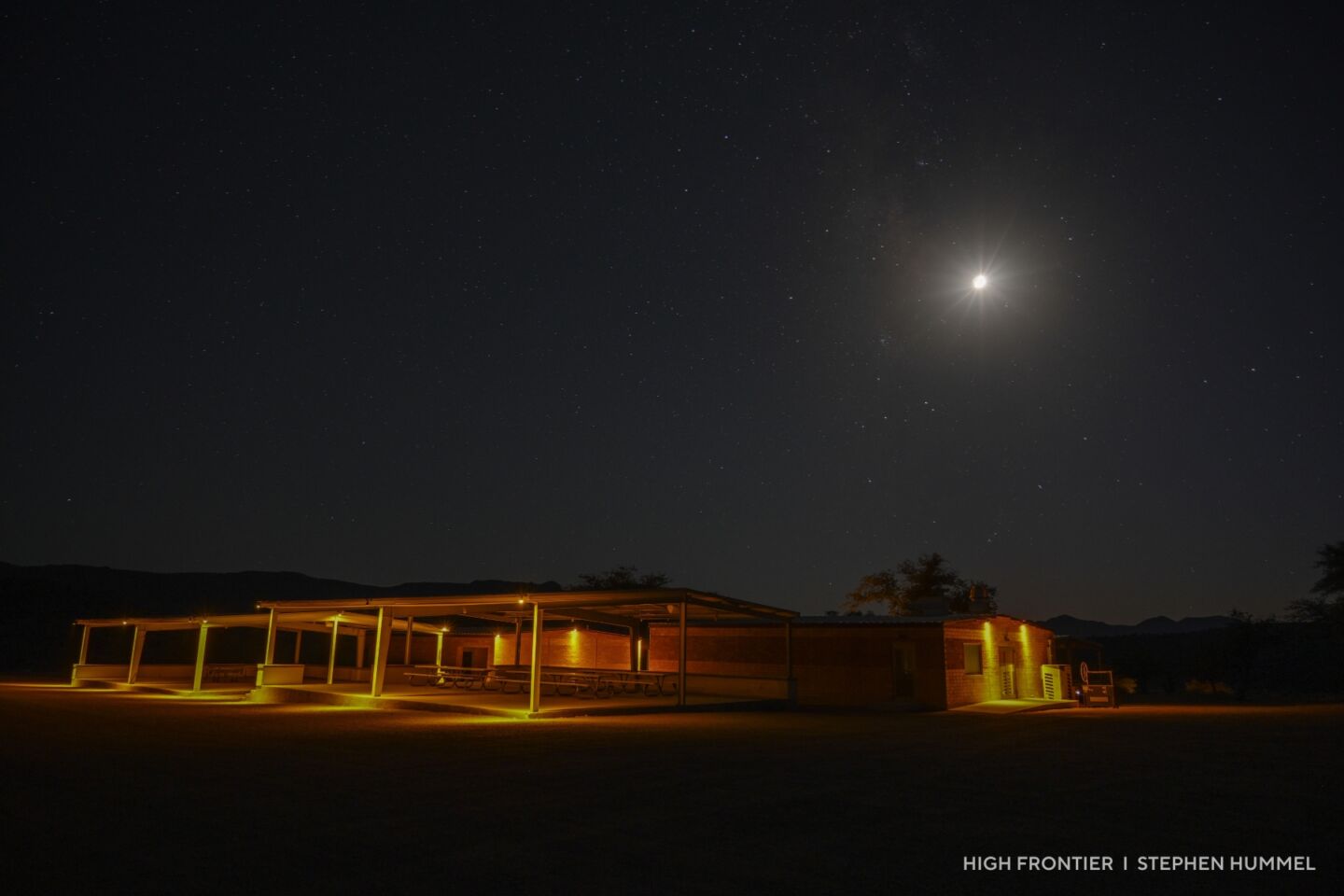
Award
Second place | Dark Sky Friendly Lighting and Design
Location
Aoraki Mackenzie International Dark Sky Reserve, Canterbury, New Zealand
Technical details
Single exposure | Nikon Z7ii | Lens: Nikon 24-70 F/4 S | Aperture: 4 | Shutter speed: 6s | ISO: 800
Social media
Instagram: @hummel_stephen
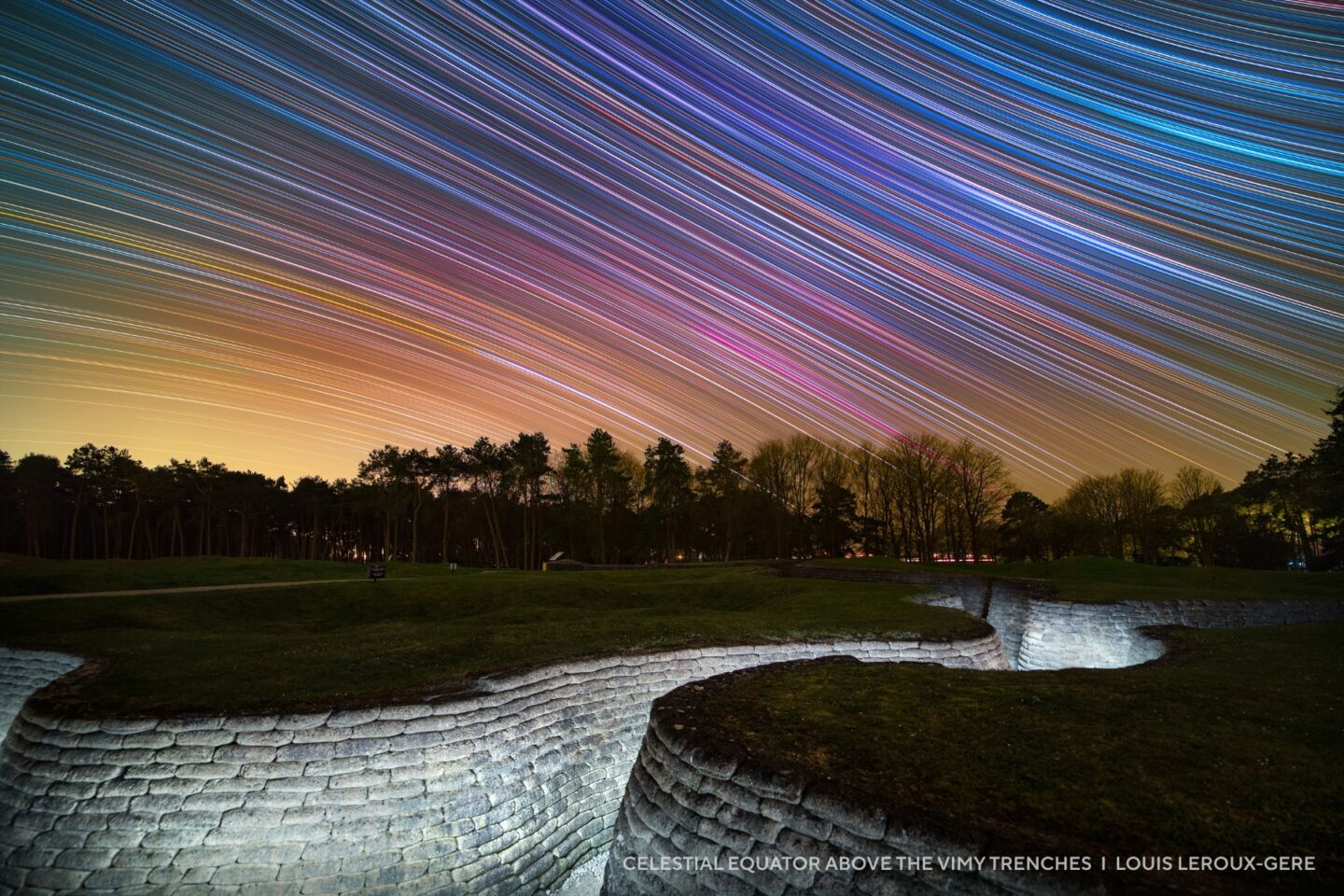
Award
Third place | Dark Sky Friendly Lighting and Design
Location
WWI Memorial, Northern France
Technical details
Blended | Canon EOS 6Da | Lens: Samyang XP 14mm f/2.4 | Aperture: 3.2 | Shutter speed: 30 | ISO: 1000
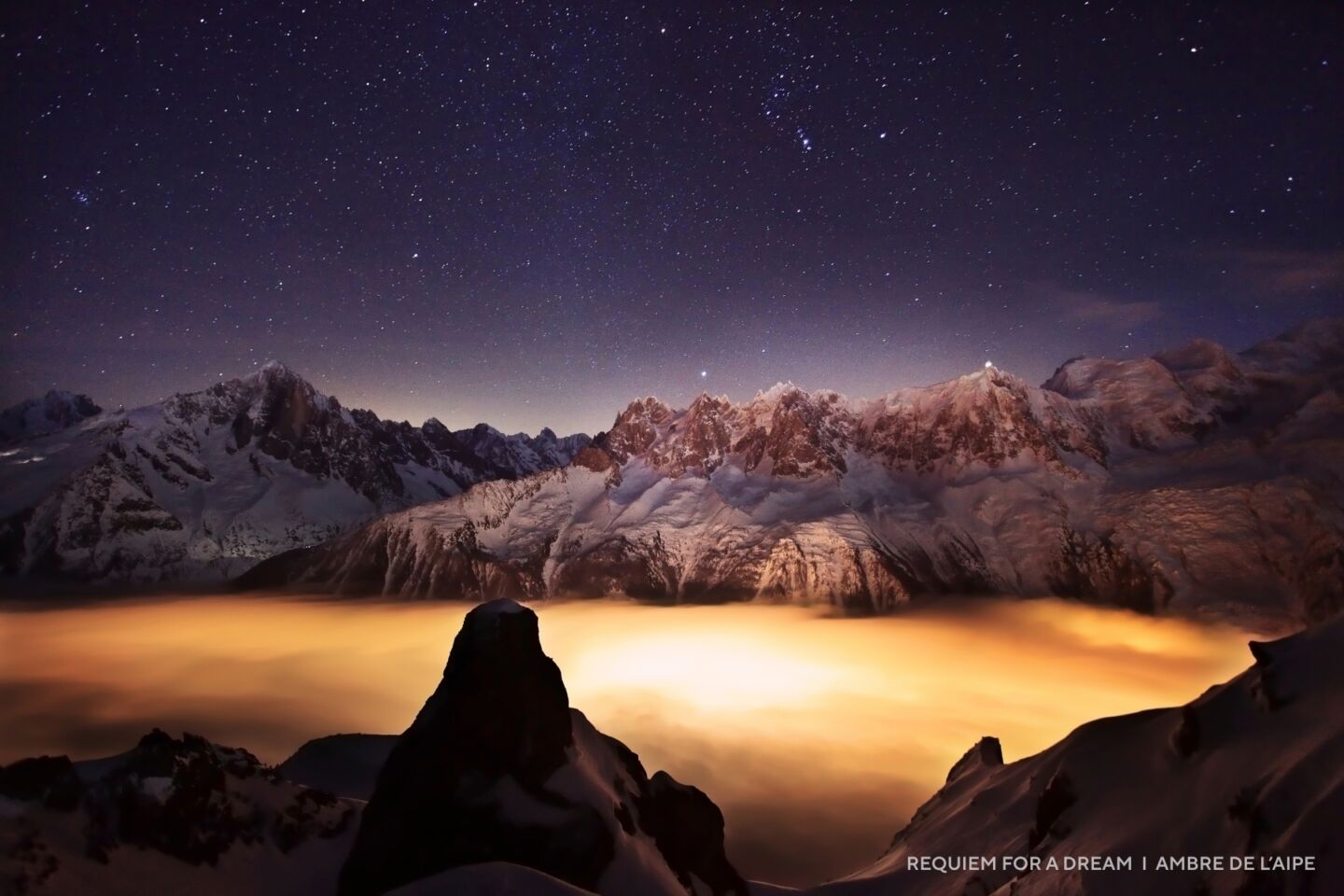
“January, a few years ago, in the northern Alps, France. The tent is pitched in the snow, and a sea of clouds filters the light from the town of Chamonix. An incredible atmosphere… and it’s even more incredible to realize that the town, despite the clouds obscuring the light, shines right up to the summit of Mont-Blanc (on the far right of the photo)!”
Award
First place | The Impact of Light Pollution
Location
Chamonix-Mont-Blanc, Haute-Savoie, France
Technical details
Single exposure | Canon EOS 5D Mark II | Lens: Canon 17-40 mm f/4 | Aperture: f/4 | Shutter speed: 30s | ISO: 1250
Social media
Instagram: @ambredelalpe
Award
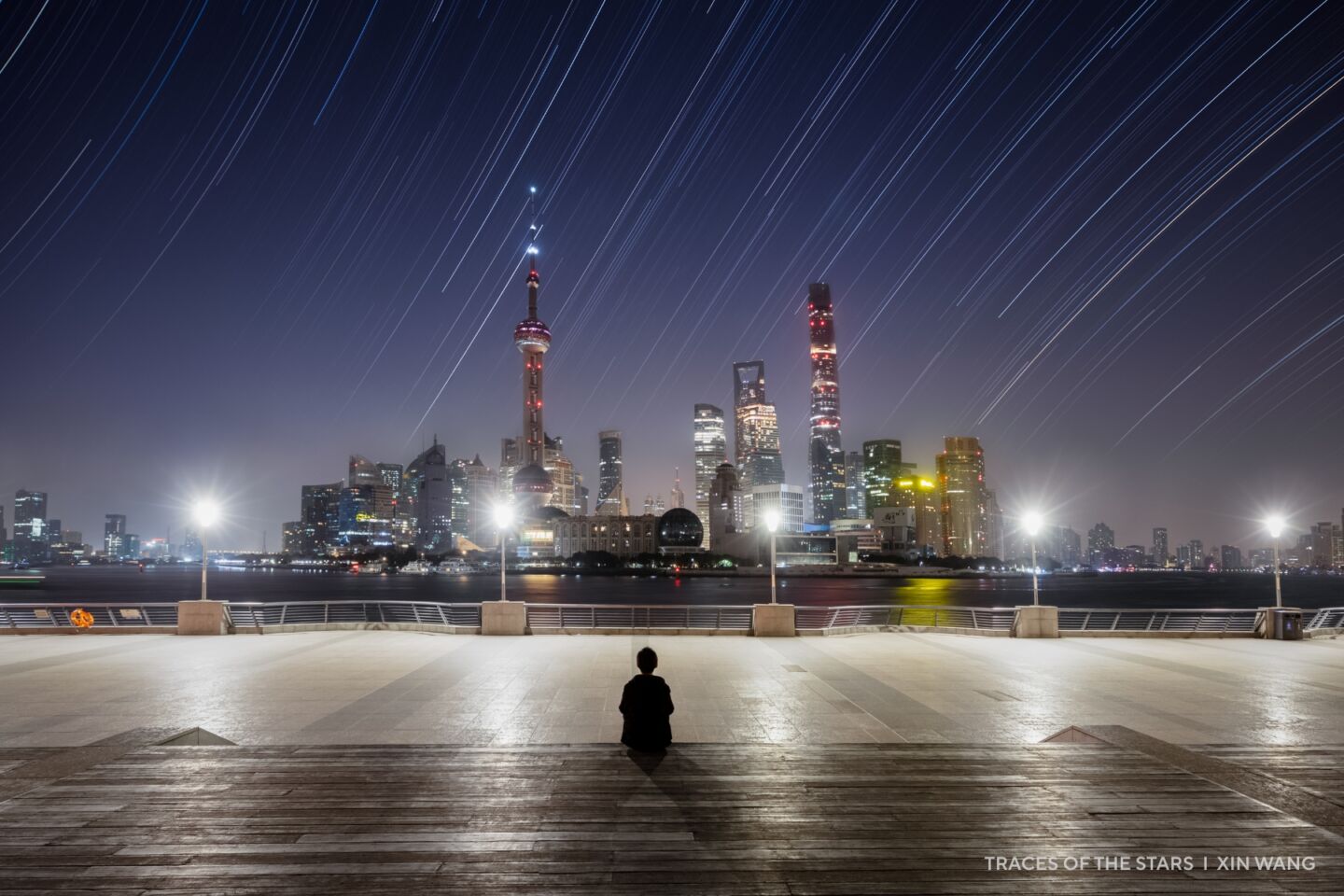
Second place | The Impact of Light Pollution
Location
Shanghai, China
Technical details
Stacked | Canon EOS R | Lens: Canon EF 16-35mm F2.8 Ⅲ | Aperture: F4.5 | Shutter speed: 10 seconds | ISO: 100
Award
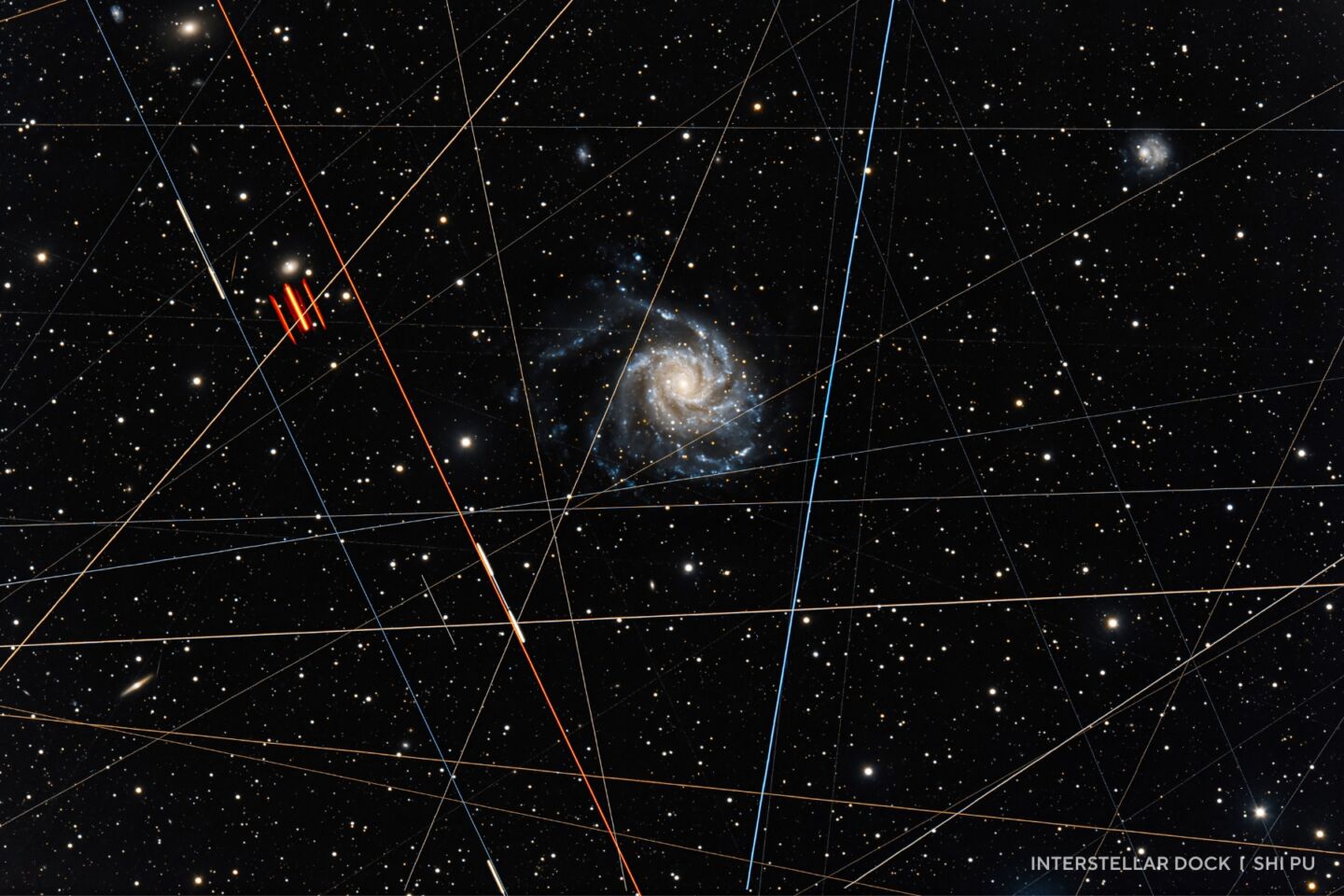
Third place | The Impact of Light Pollution
Location
Beijing, China
Technical details
Stacked | ZWO asi2600mc | Lens: Celestron Rasa 11 | Aperture: f2.2 | Shutter speed: 60s | ISO: 100
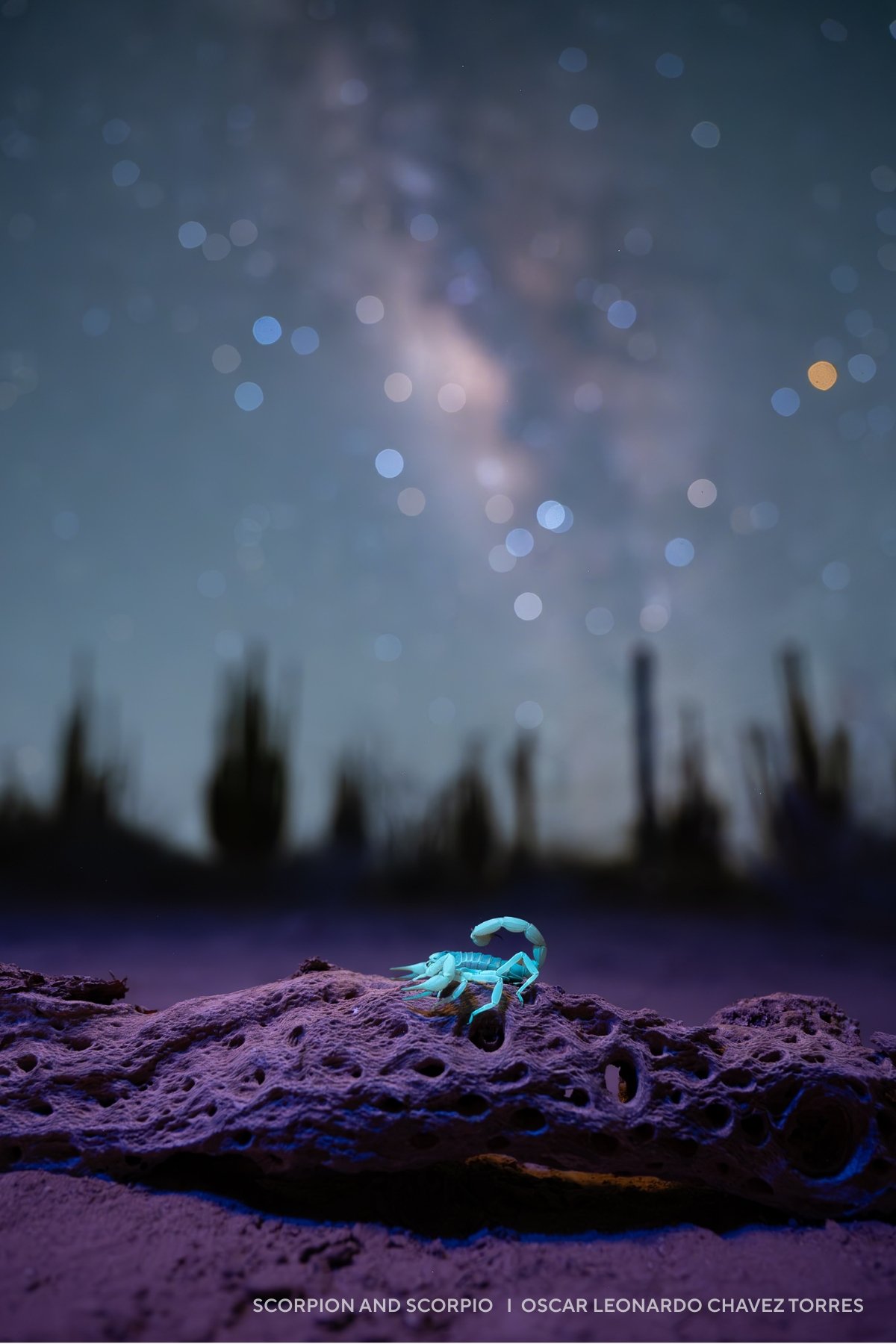
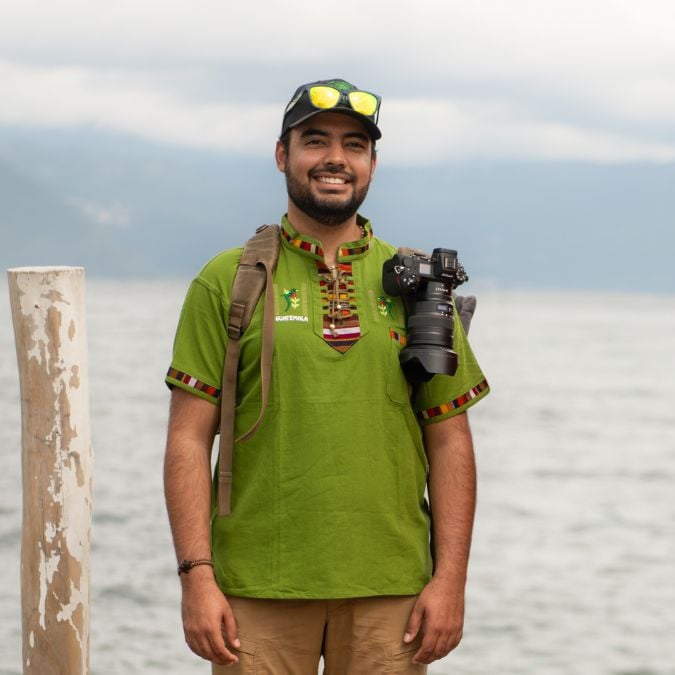
“Scorpions use the darkness to hunt in the desert, these organisms thrive in the dark nights of the desert, and even the moon can be enough light to drop their activity.“
Award
First place | Creatures of the Night
Location
Hermosillo, Sonora, México
Technical details
Single exposure | Lens: Nikon 24-70 2.8 Z | Aperture: 2.8 | Shutter speed: 15s | ISO: 5000
Social media
Instagram: @biologandopormexico
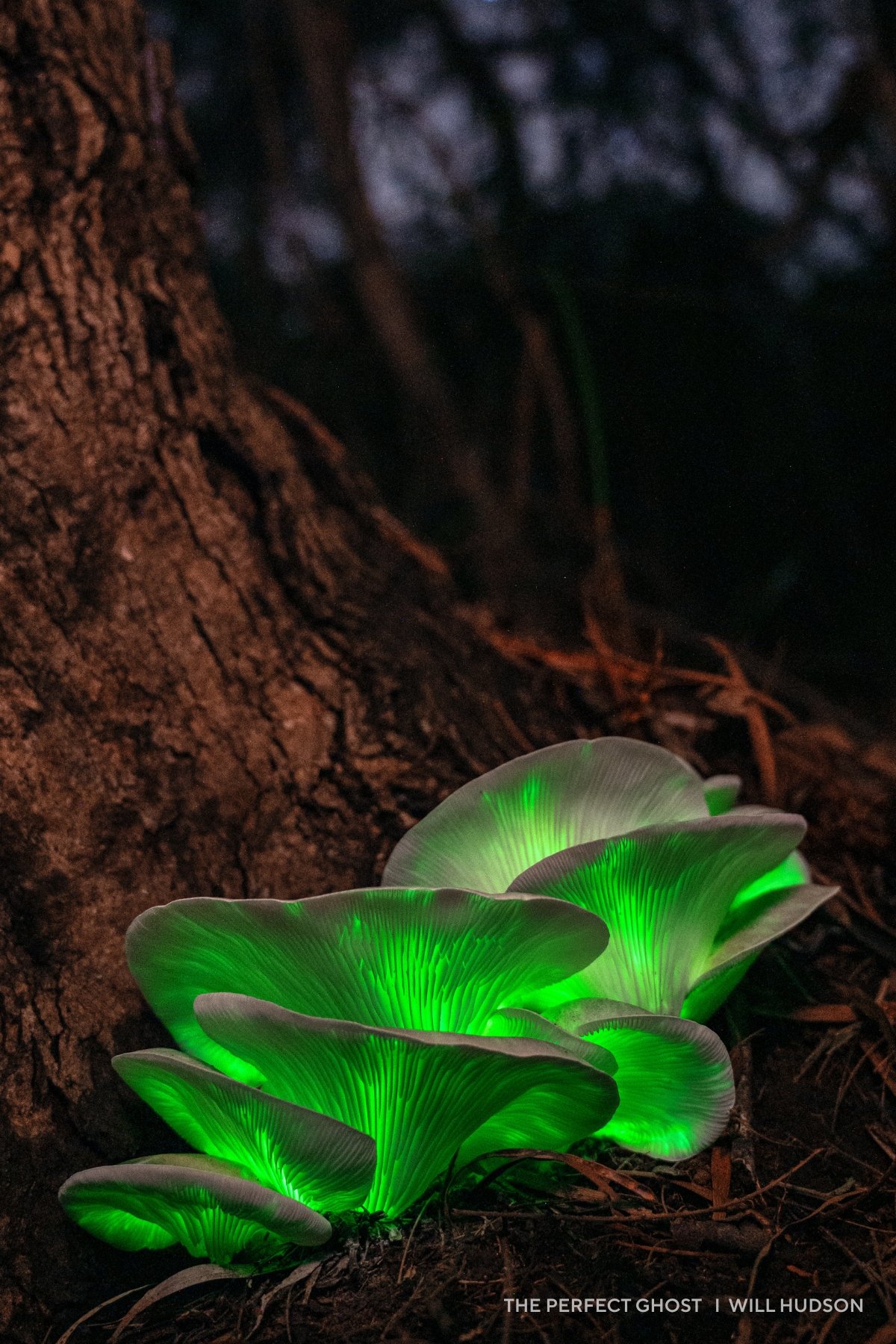
Award
Second place | Creatures of the Night
Location
Grampians National Park, Victoria, Australia
Technical details
Single exposure | Nikon Z6II | Lens: Nikkor Z 24-70mm F4 | Aperture: F4 | Shutter speed: 120sec | ISO: 6400
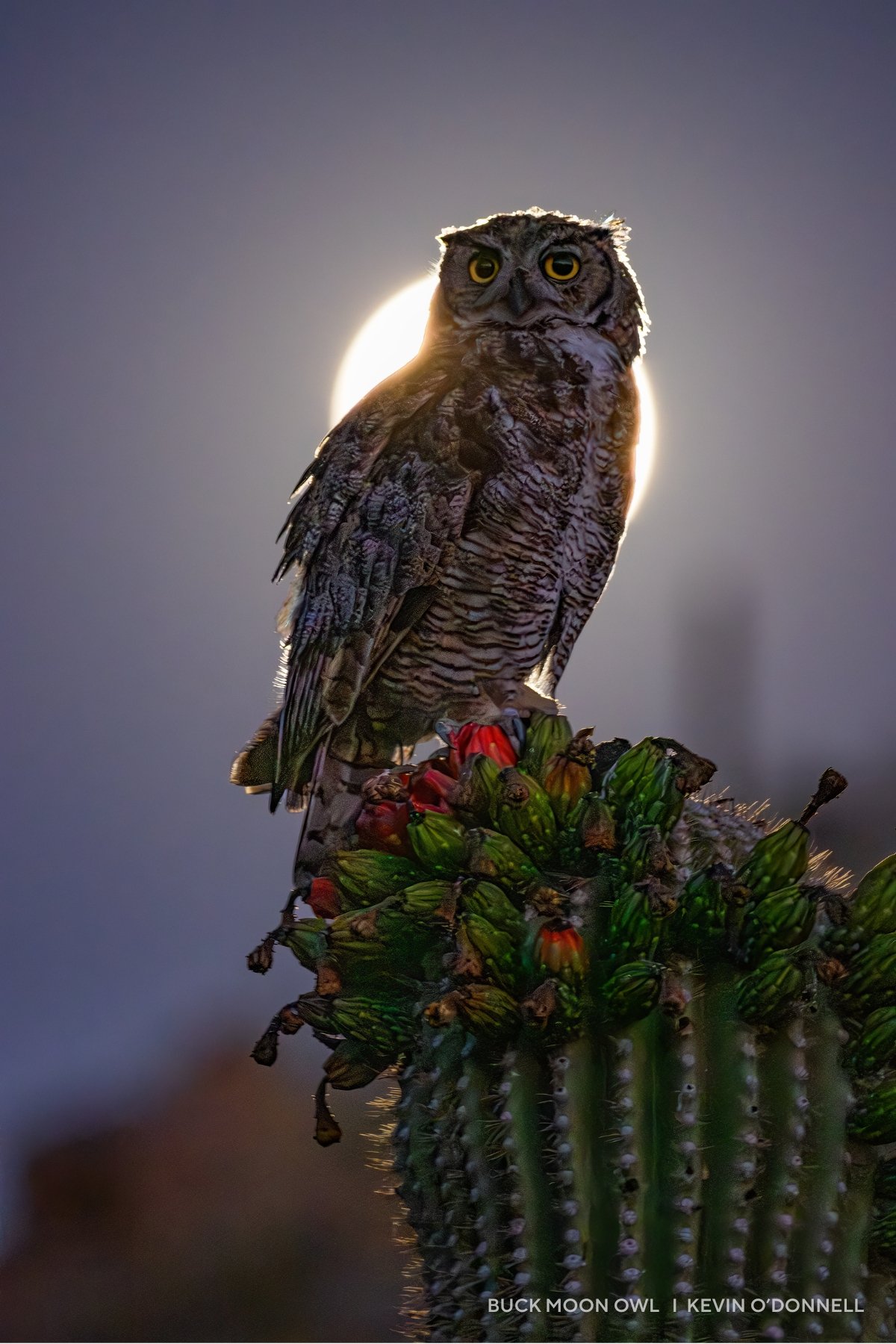
Award
Third place | Creatures of the Night
Location
Sonoran Desert, Arizona, United States
Technical details
Single exposure | Canon 90D | Lens: Sigma 150-600mm Contemporary at 403mm | Aperture: F/6.3 | Shutter speed: 1/20th sec | ISO: 3200
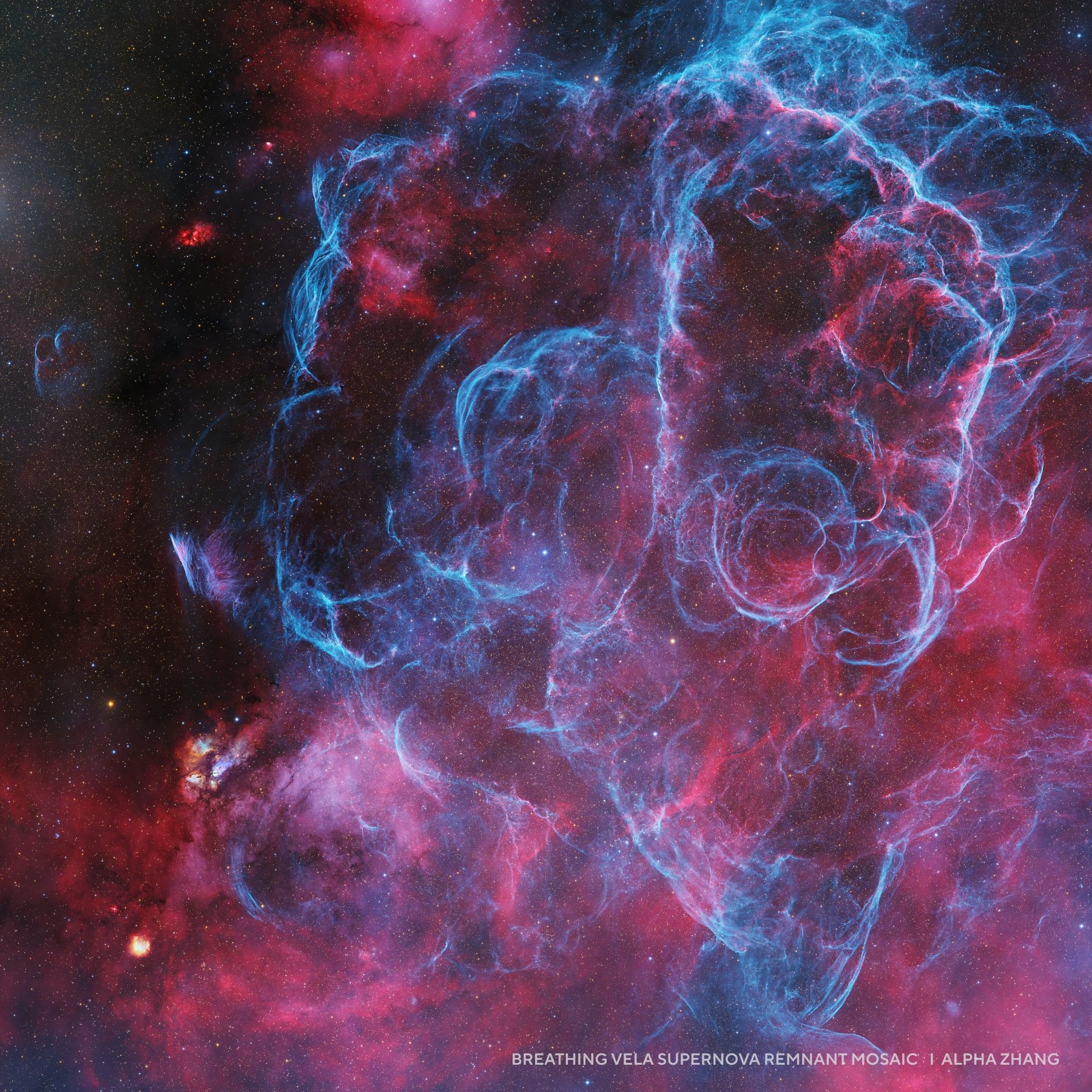

“This is the most breathtaking nebula I’ve ever captured. The Vela Supernova Remnant is a target that no astrophotographer should miss in a lifetime. A four-panel mosaic covers the primary emission signals of the nebula. The OIII outer shell wraps around the ionized Ha and SII, forming a complex, layered structure that is beyond words.”
Award
First place | Deep Sky Observations
Location
Vela Supernova Remnant, a supernova remnant in the southern constellation Vela
Technical details
Stacked | Moravian G4-16000 Mark I | Lens: Takahashi FSQ-106ED | Filter: Astrodon LRGB Ha SII OIII | Telescope: Takahashi FSQ-106ED | Mount: Planewave L500 | Frame: 1310 | Exposure: 109hr | Software: Voyager/Pixinsight
Award
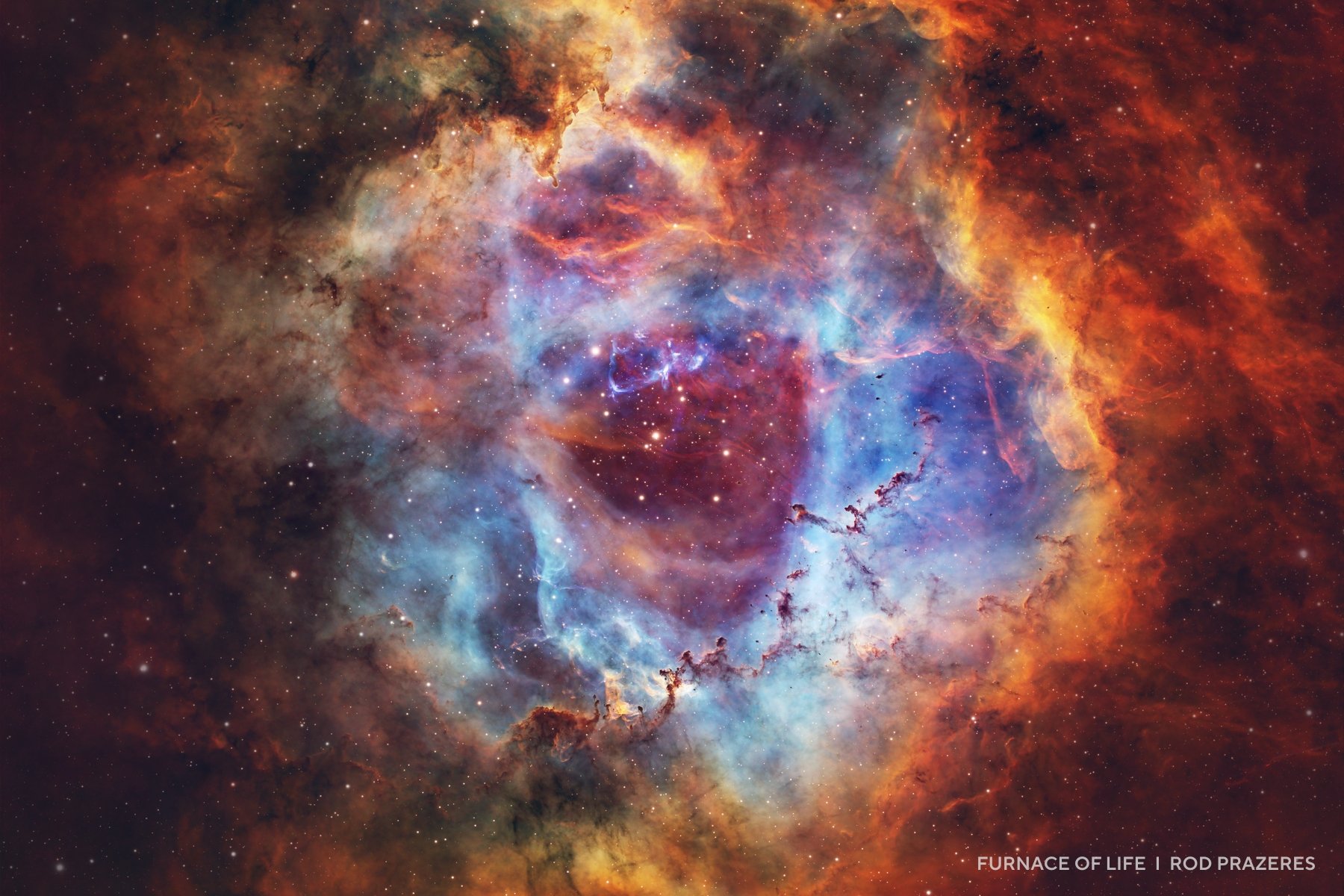
Second place | Deep Sky Observations
Location
Rosette Nebula in the Monoceros constellation
Technical details
Stacked | ZWO ASI2600MM-Pro | Lens: Askar 130PHQ | Filter: Antlia 3nm Narrowband H-alpha 36 mm; Antlia 3nm Narrowband Oxygen III 36 mm; Antlia 3nm Narrowband Sulfur II 36 mm | Telescope: Askar 130PHQ | Mount: Sky-Watcher NEQ6-Pro | Frame: 225 x 600s | Exposure: 37h 30min | ISO: Gain 100 | Software: Pleiades Astrophoto PixInsight
Award
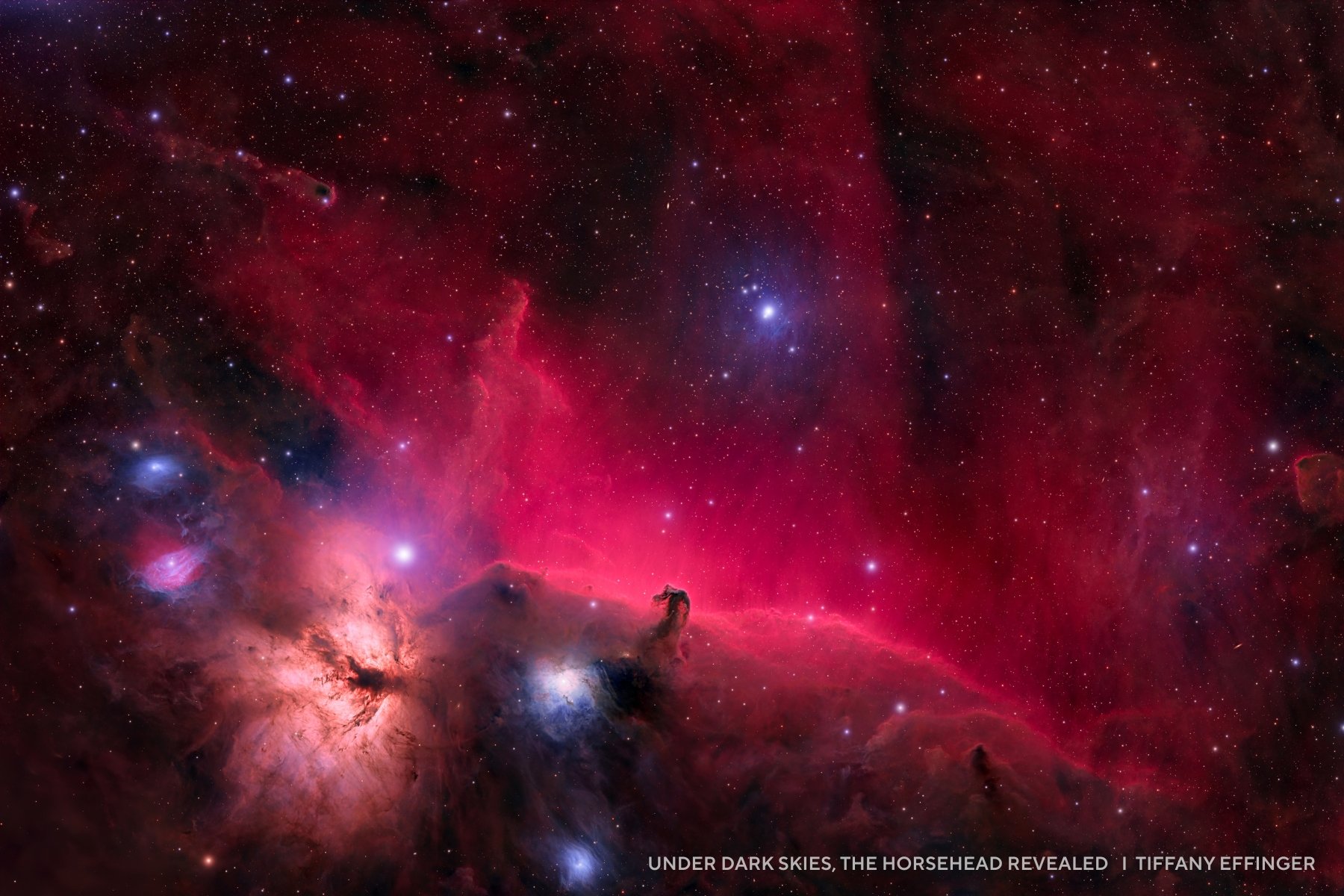
Third place | Deep Sky Observations
Location
The Horsehead Nebula (Barnard 33), in the Orion constellation
Technical details
Stacked | ZWO ASI2600MC Pro | Lens: William Optics Pleiades 111 | Filter: None, Baader H-alpha 6.5nm | Telescope: William Optics Pleiades 111 | Mount: ZWO AM5 | Frame: 327 | Exposure: 27 hours 15 min | ISO: 101 | Software: Pixinsight, Photoshop
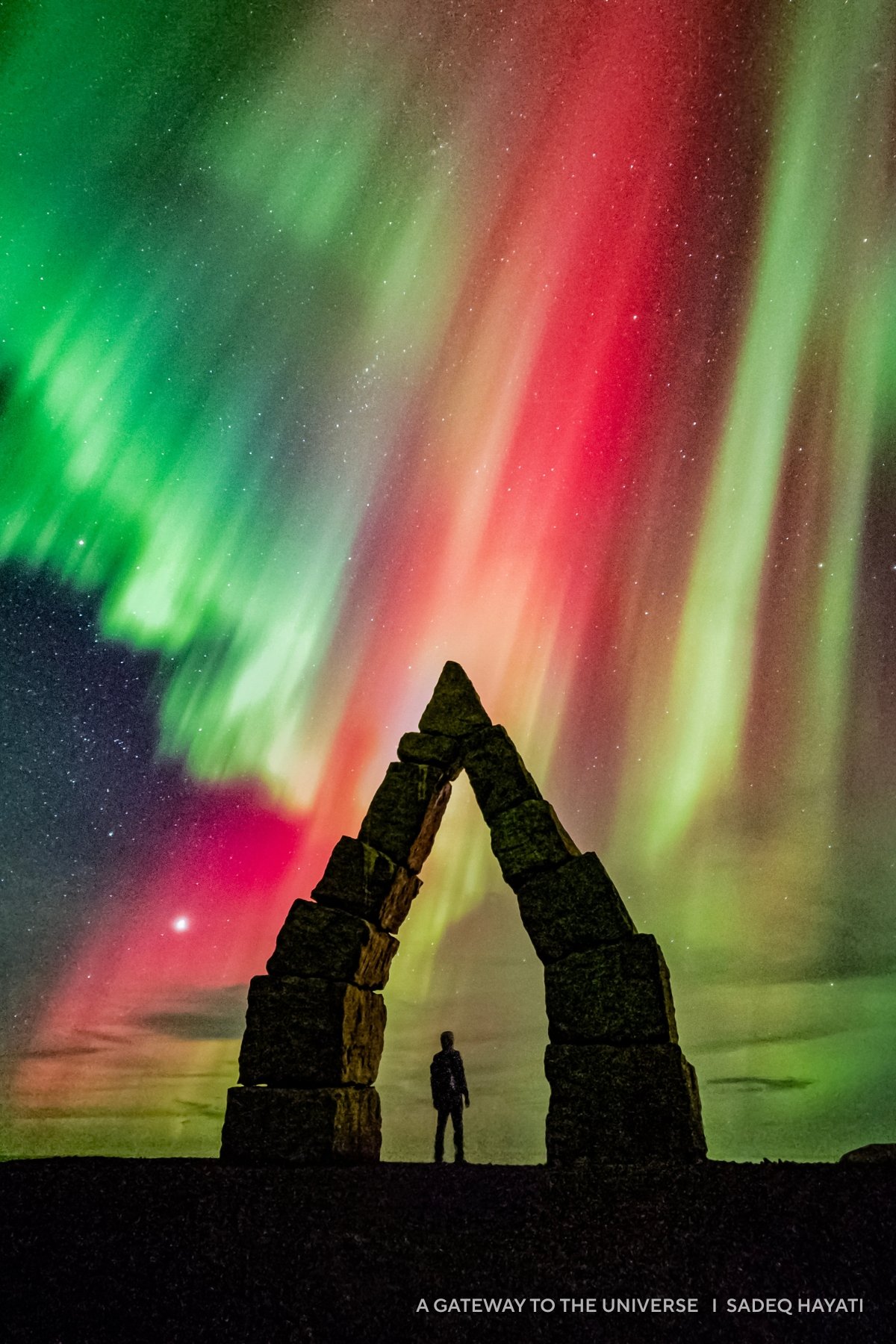
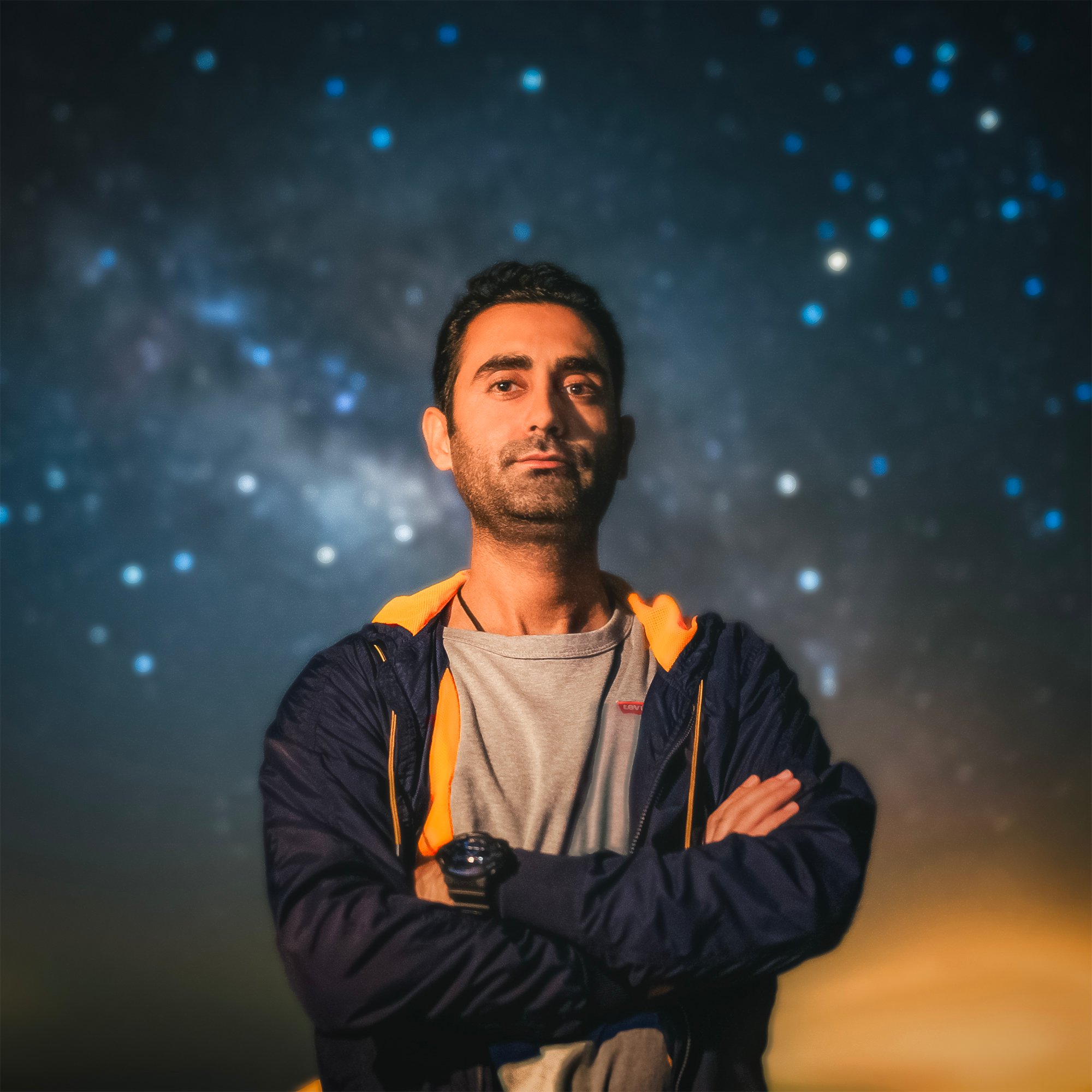
“On my last trip to Iceland, we followed the northern lights. There was a huge storm of aurora and I decided to record it with my phone for the first time! It was interesting that, with a small device in my hand, I could see the beauty happening in the sky in more detail and beauty.”
Award
First place | Mobile Nighttime Photography
Location
Raufarhöfn, Iceland
Technical details
Single exposure | Samsung Galaxy S23 Ultra 1x Lens | Aperture: f/1.7 | Shutter speed: 8s | ISO: 3200
Social media
Instagram: @sadeqhayati
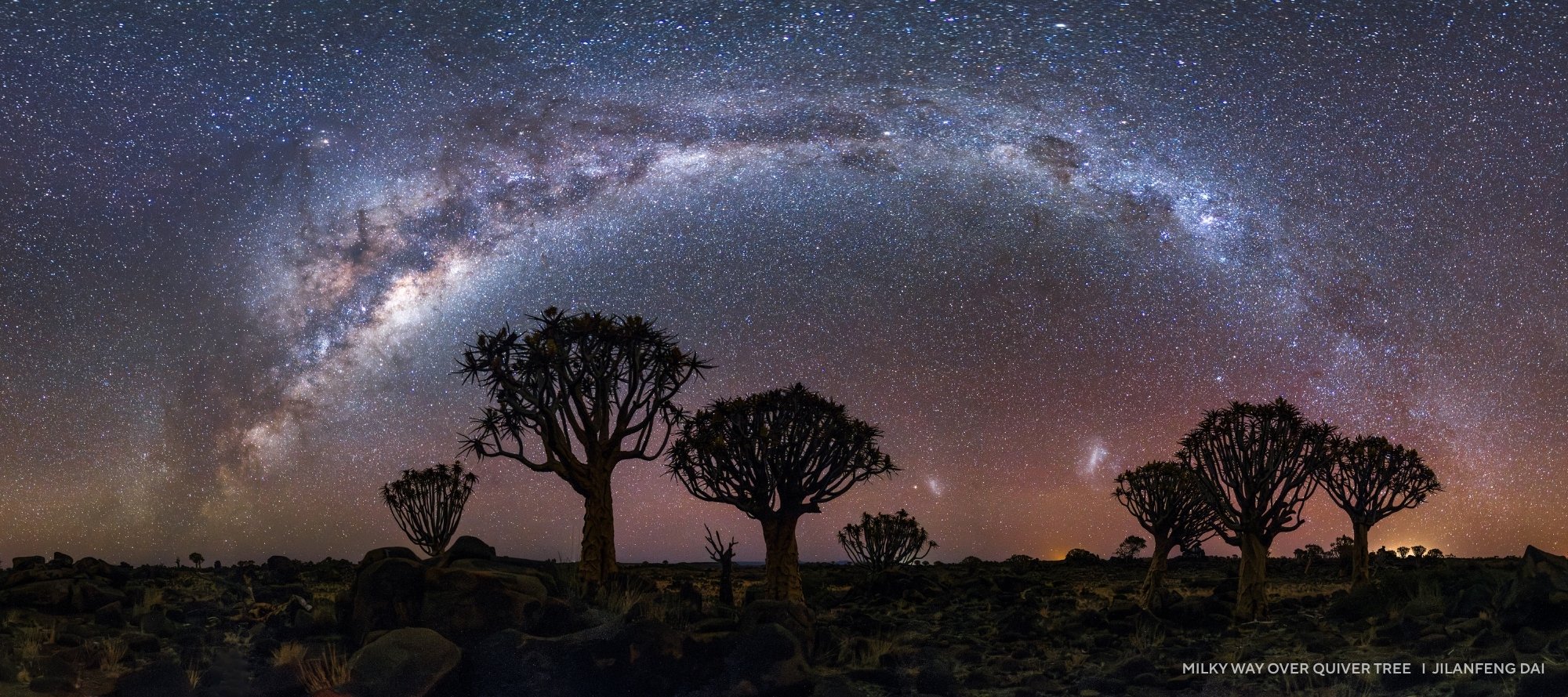
Award
Second place | Mobile Nighttime Photography
Location
Southern Africa
Technical details
Panorama | OPPO Find X6 PRO | Aperture: 2.8 | Shutter speed: 30 | ISO: 6400
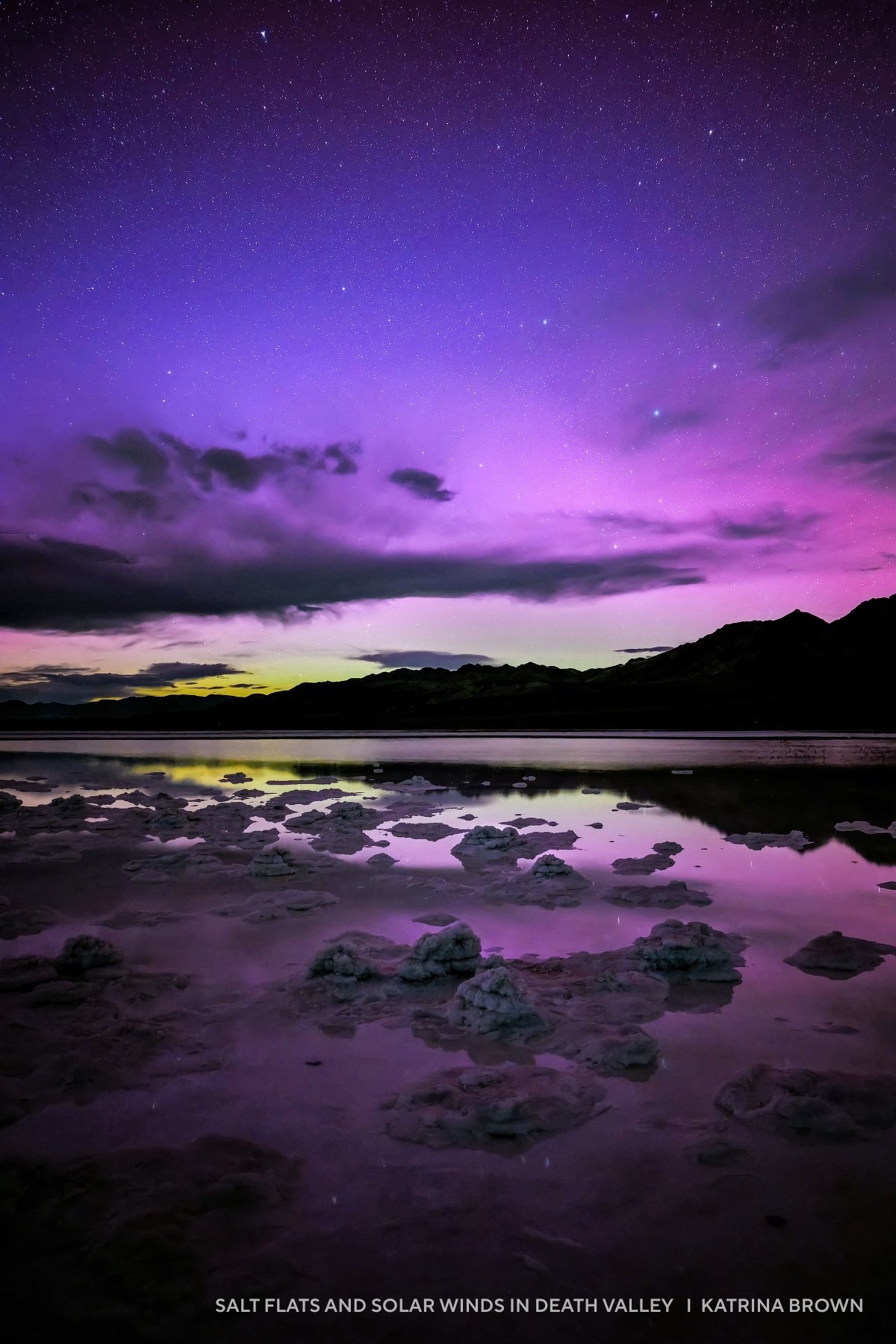
Award
Third place | Mobile Nighttime Photography
Location
Southern California
Technical details
Single Exposure | Pixel 8 Pro back camera 6.9mm f/1.68 | Aperture: f1.7 | Shutter speed: 16 seconds | ISO: 2016
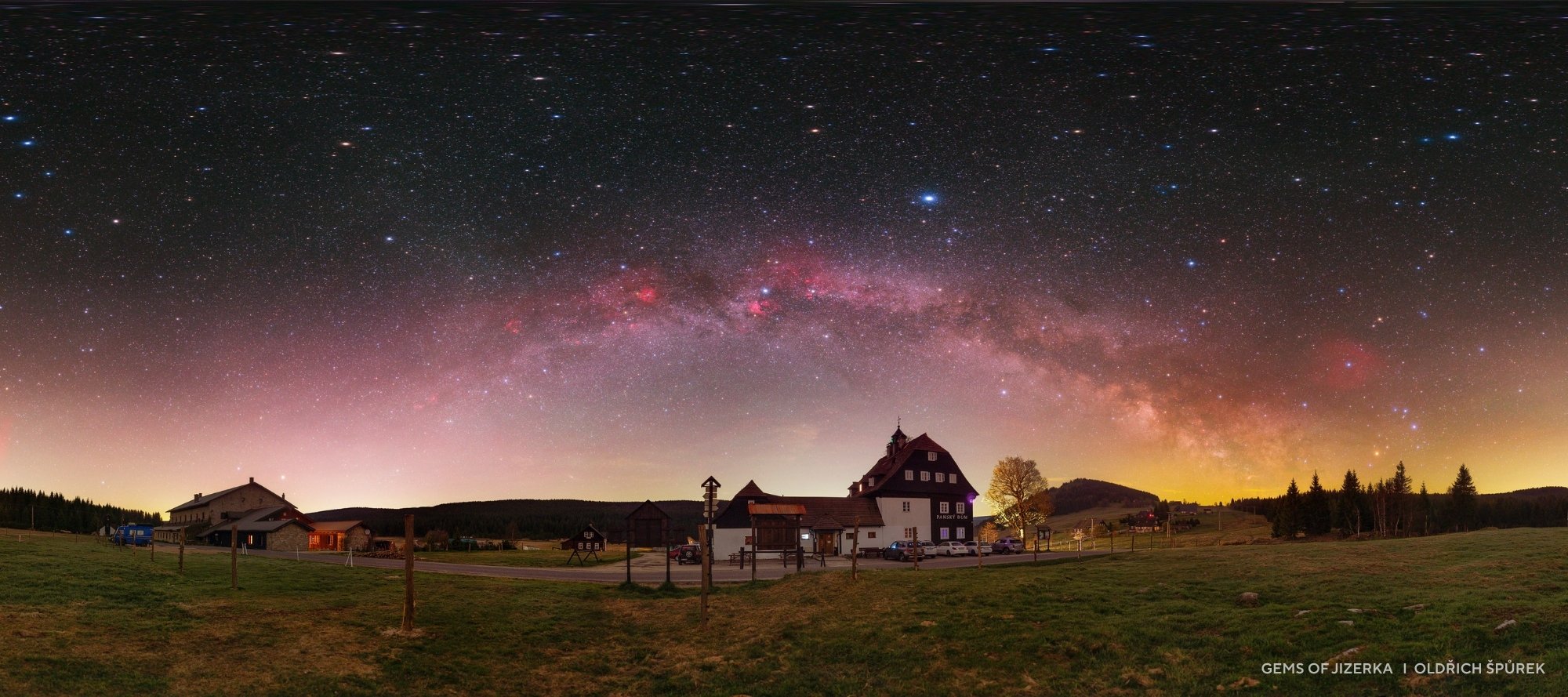
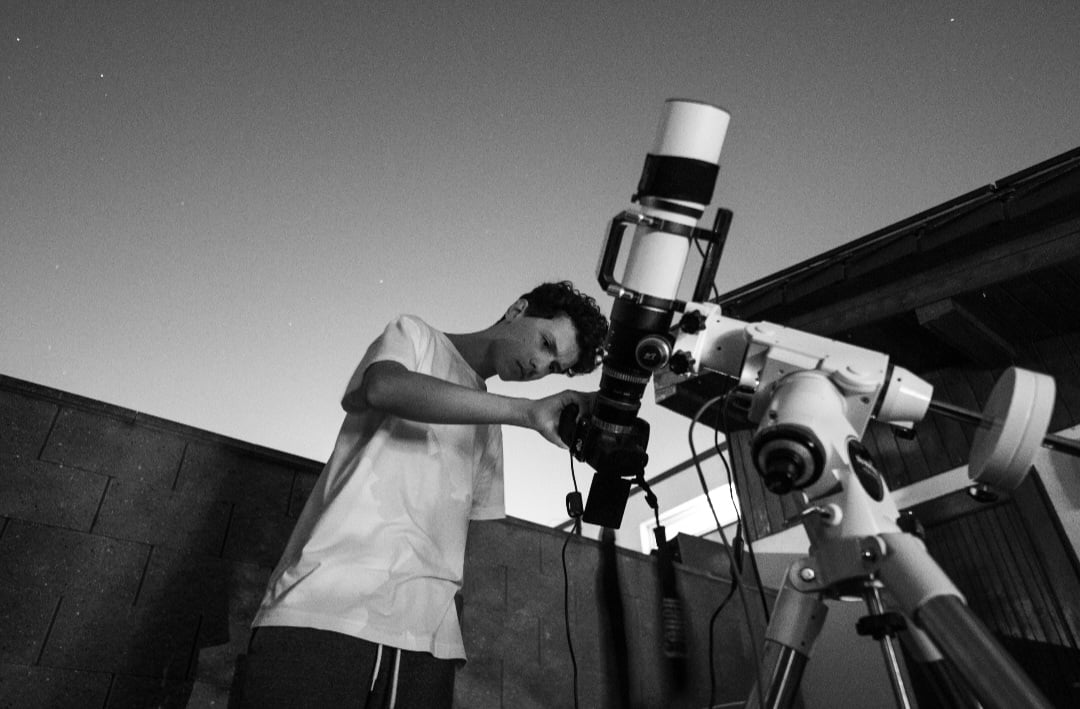
“In May, I visited Jizerka, which is located in a dark Bortle 4 zone (and sometimes even reaching Bortle 3). This valley transforms completely after sunset. A few scattered huts, fleeting fog, and a lively yet peaceful atmosphere under the stars made this night unforgettable.”
Award
First place | Young Astrophotographers
Location
Jizerka, Liberecký kraj, Czech Republic
Technical details
Panorama | Canon 6D mod | Lens: Sigma 35mm f/1.4 | Aperture: f/2.2 | Shutter speed: 49x20s | ISO: 5000
Social media
Instagram: @oldaphotographer
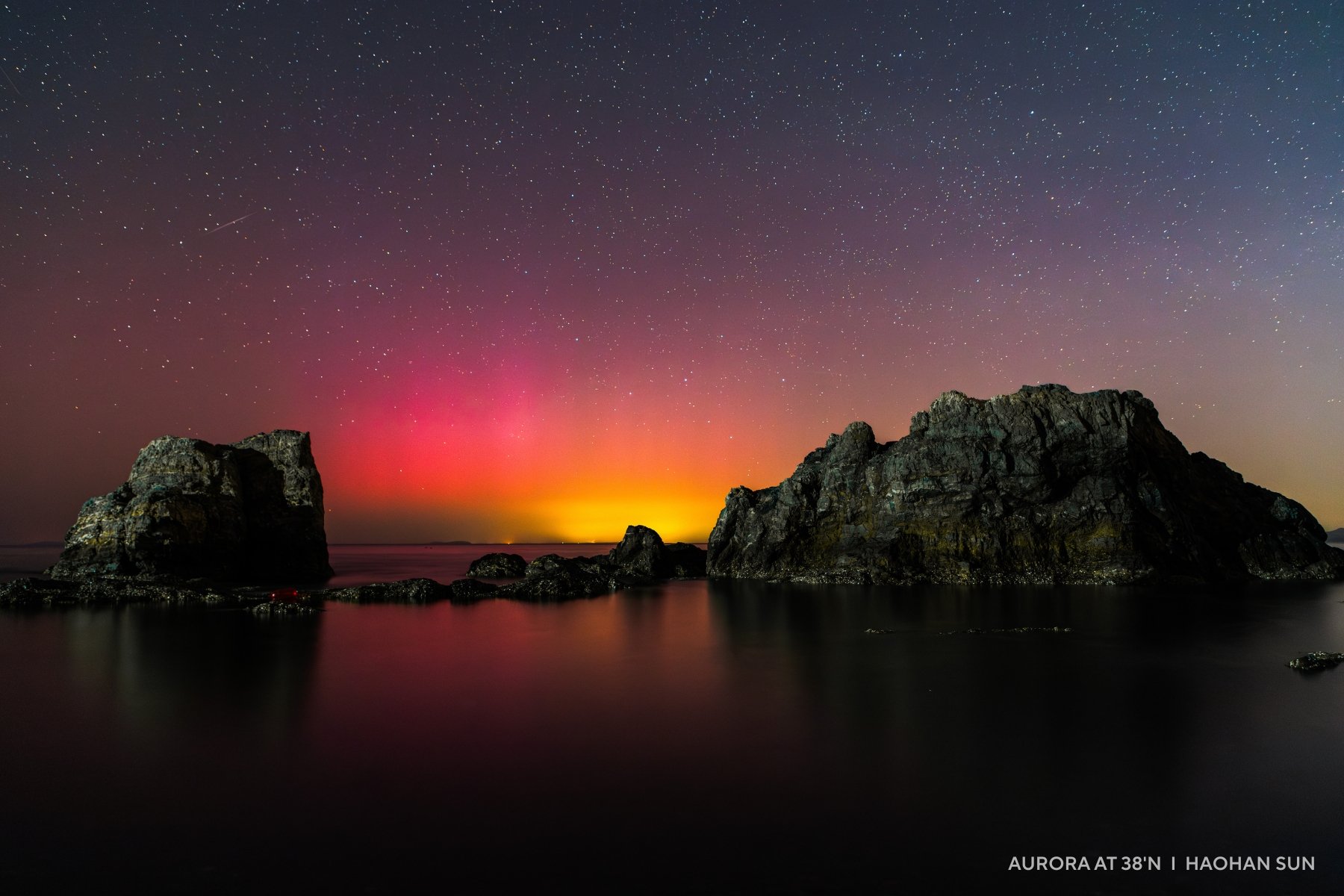
Award
Second place | Young Astrophotographers
Location
Dalian, China
Technical details
Single Exposure | Canon EOS 6D Mark Ⅱ | Lens: Canon 24-105mm f/4 | Aperture: f/4 | Shutter speed: 15s | ISO: 3200
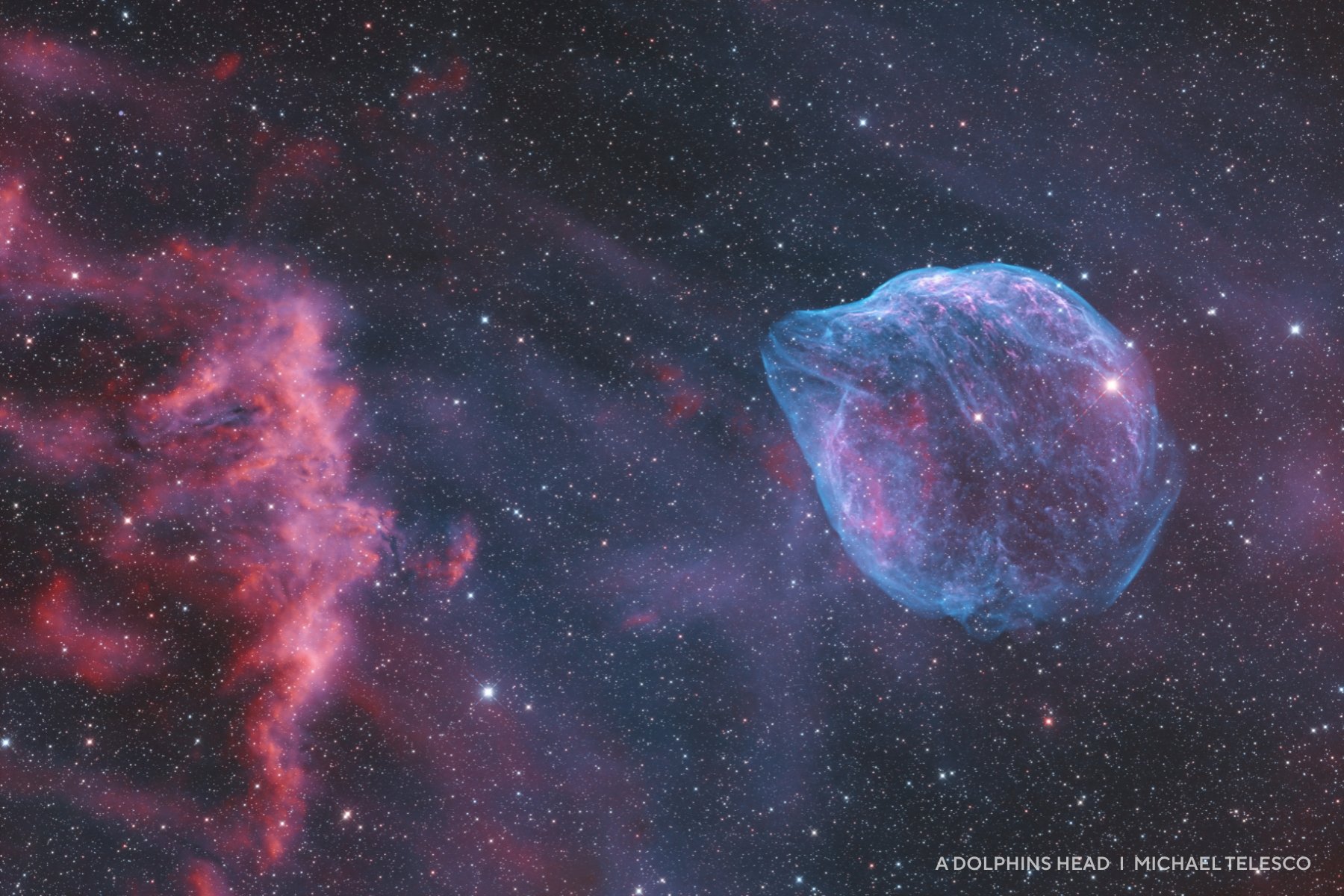
Award
Third place | Young Astrophotographers
Location
Florida Keys, United States
Technical details
Stacked | Player One Poseidon M-Pro | Lens: Takahashi Epsilon E-160ED | Aperture: 160mm | ISO: Gain 0
Social media
Instagram: @astrotelesco
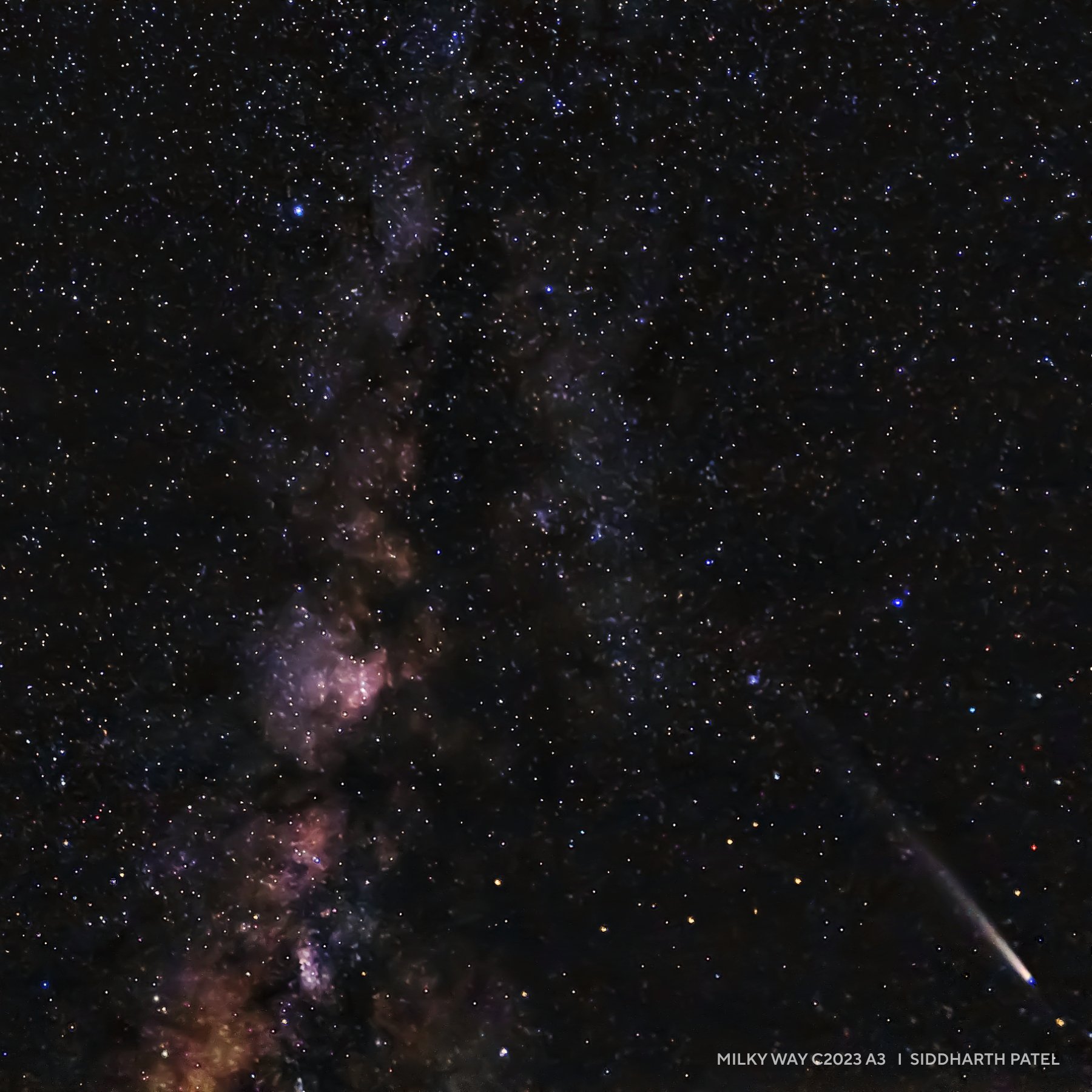

“I took this photo using my mother’s Samsung S21. I had to leave the city because I couldn’t see the comet at all, so I convinced my family to drive out with me. Under the darker Fingal sky, the comet and the Milky Way were both visible to the naked eye, and seeing them together blew my mind.”
Award
First place | People’s Choice Award
Location
Fingal, Ontario, Canada
Technical details
Stacked | Samsung S21 | Aperture: f/1.5 | Shutter speed: 30s | ISO: 800
Social media
Instagram: @astrosidspace
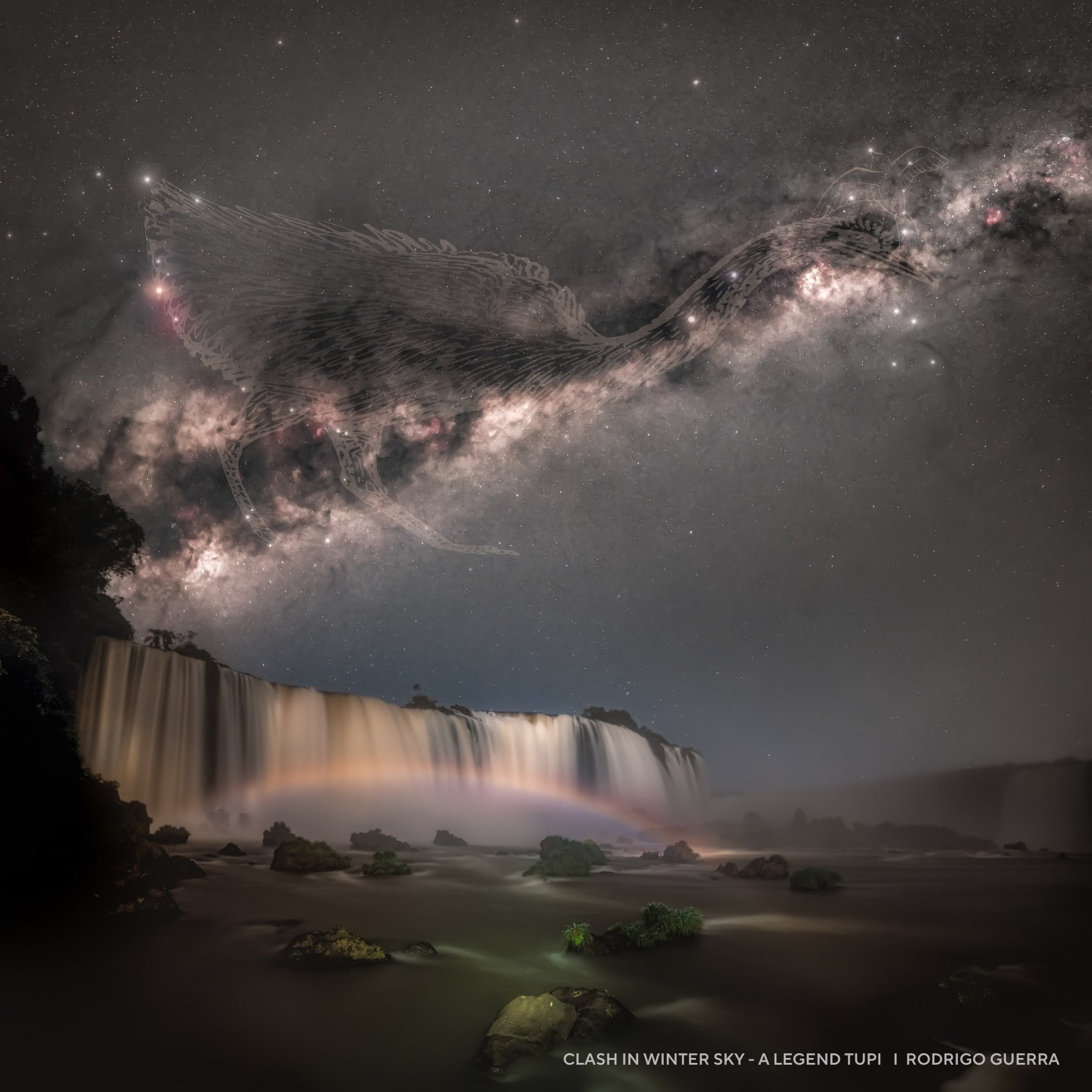
Award
Second place | People’s Choice Award
Location
Iguaçu National Park, Brazil
Technical details
Blended | Sony A7III | Lens: Viltrox 16 mm | Aperture: 2.8 | Shutter speed: foreground: 30′ / Sky: 60′ tracked | ISO: 640
Social media
Instagram: @rodrigoguerra13
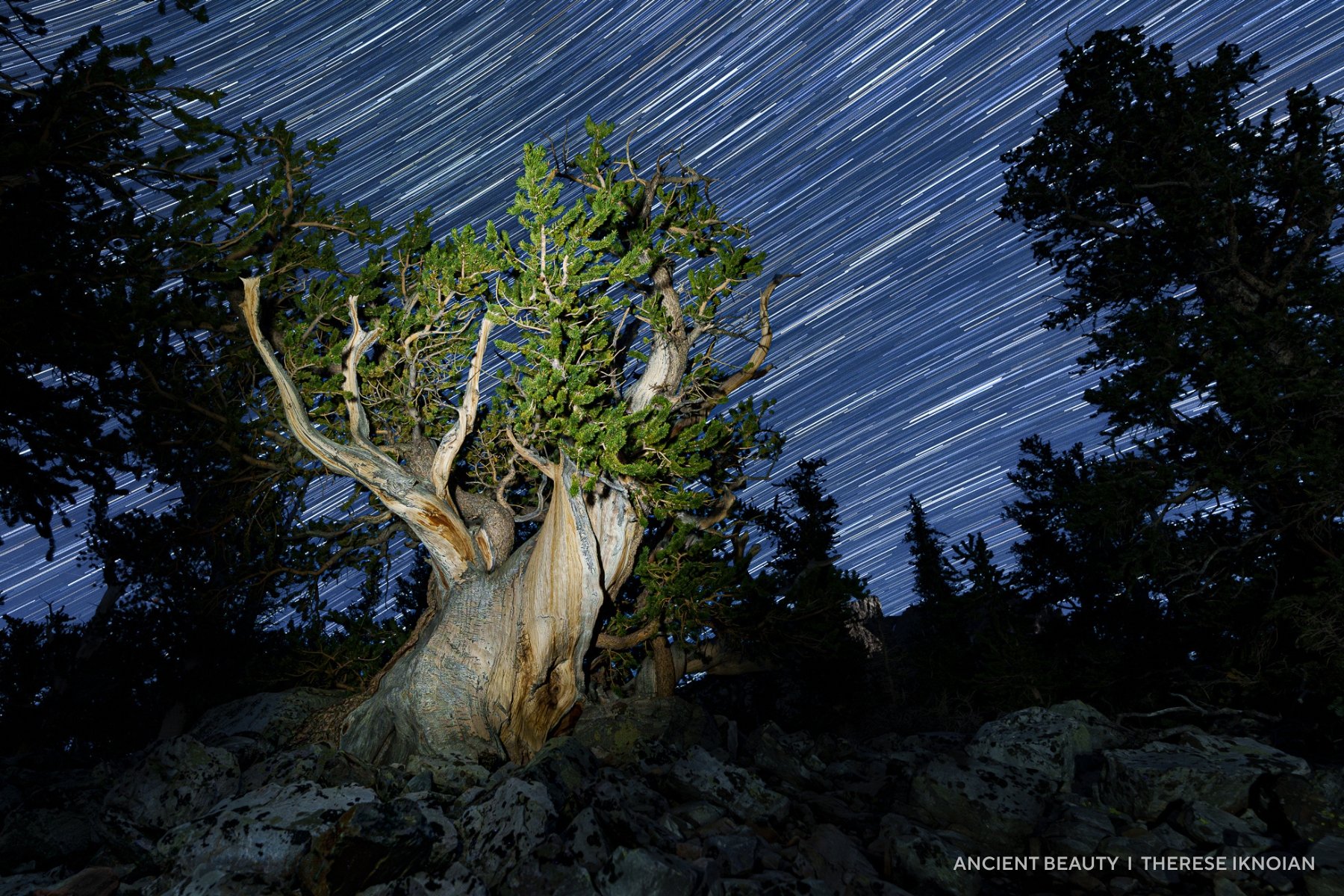
Award
Third place | People’s Choice Award
Location
Great Basin National Park, United States
Technical details
Stacked | Sony a7IV | Lens: Sony 14mm | Aperture: 14mm | Shutter speed: 30 seconds | ISO: 1600
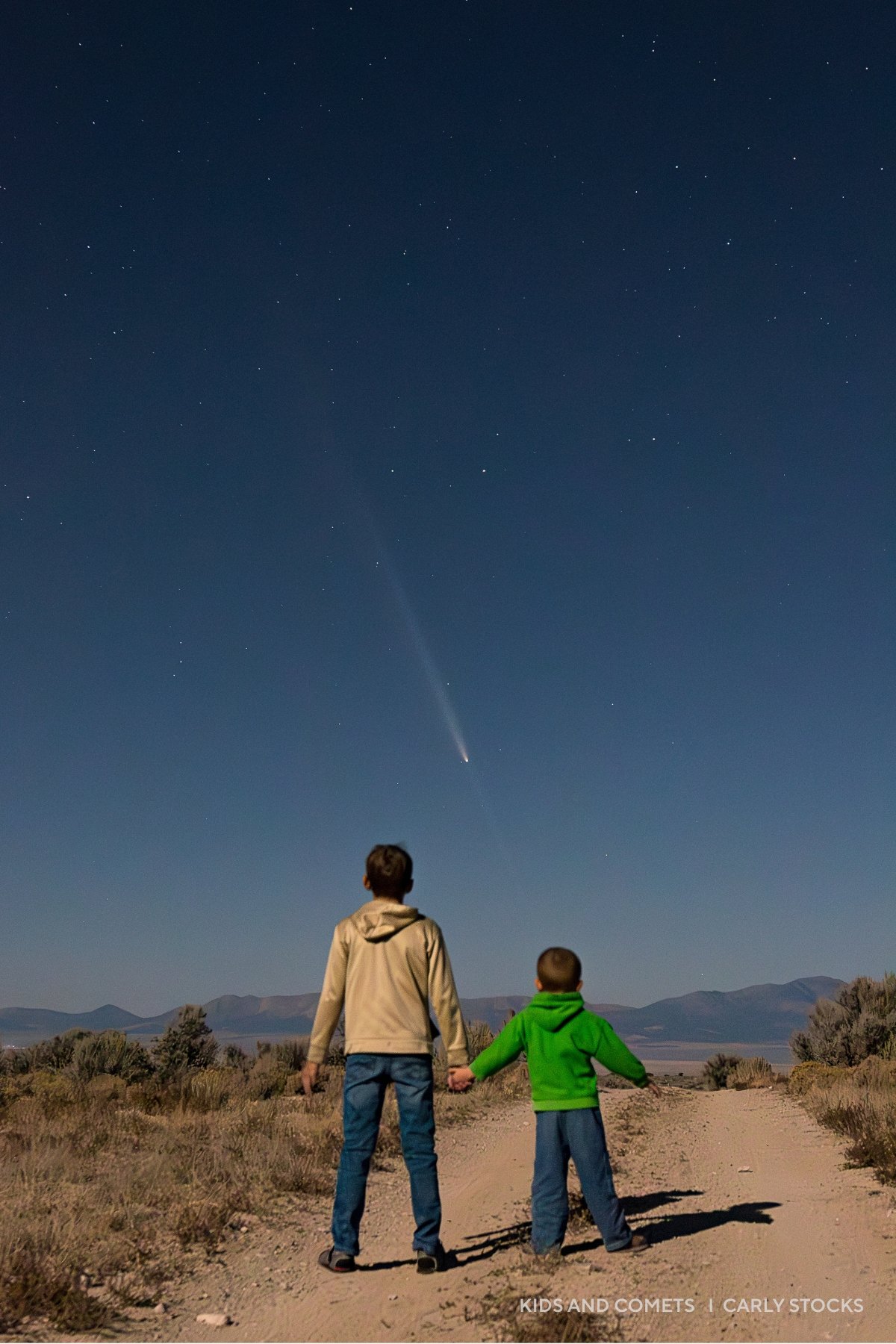

“Chasing Comet C/2023 A3 (Tsuchinshan-ATLAS) with these two is one of my favorite memories of 2024. While it makes photography tricky, I love sharing moments under the stars with my children. They patiently waited for me to capture this comet for three consecutive nights. They asked questions, watched the comet through binoculars, and even posed for pictures.”
Award
First place | Visit Utah Location Award
Location
Tooele County, Utah, United States
Technical details
Single exposure | Canon 80D | Lens: Tamron SP 15-30mm F2.8 Di VC USD | Aperture: f/3.2 | Shutter speed: 1.3s | ISO: 1250
Social media
Instagram: @darkskyutah
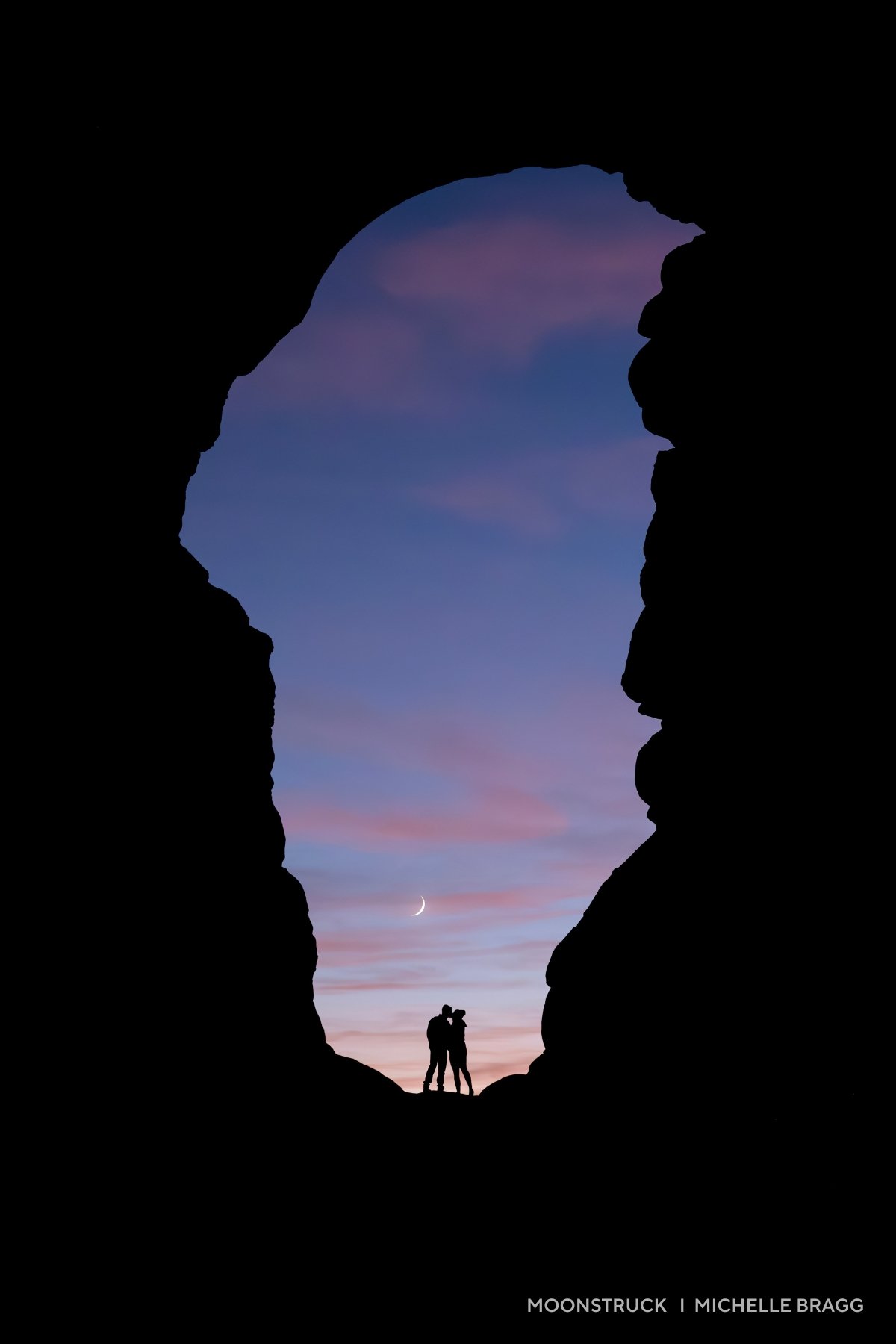
Award
Second place | Visit Utah Location Award
Location
Arches International Dark Sky Park, Utah, United States
Technical details
Single exposure | Canon 5D Mark IV | Lens: EF 24-105mm f/4 | Aperture: f/8 | Shutter speed: 1/50 second | ISO: 12800
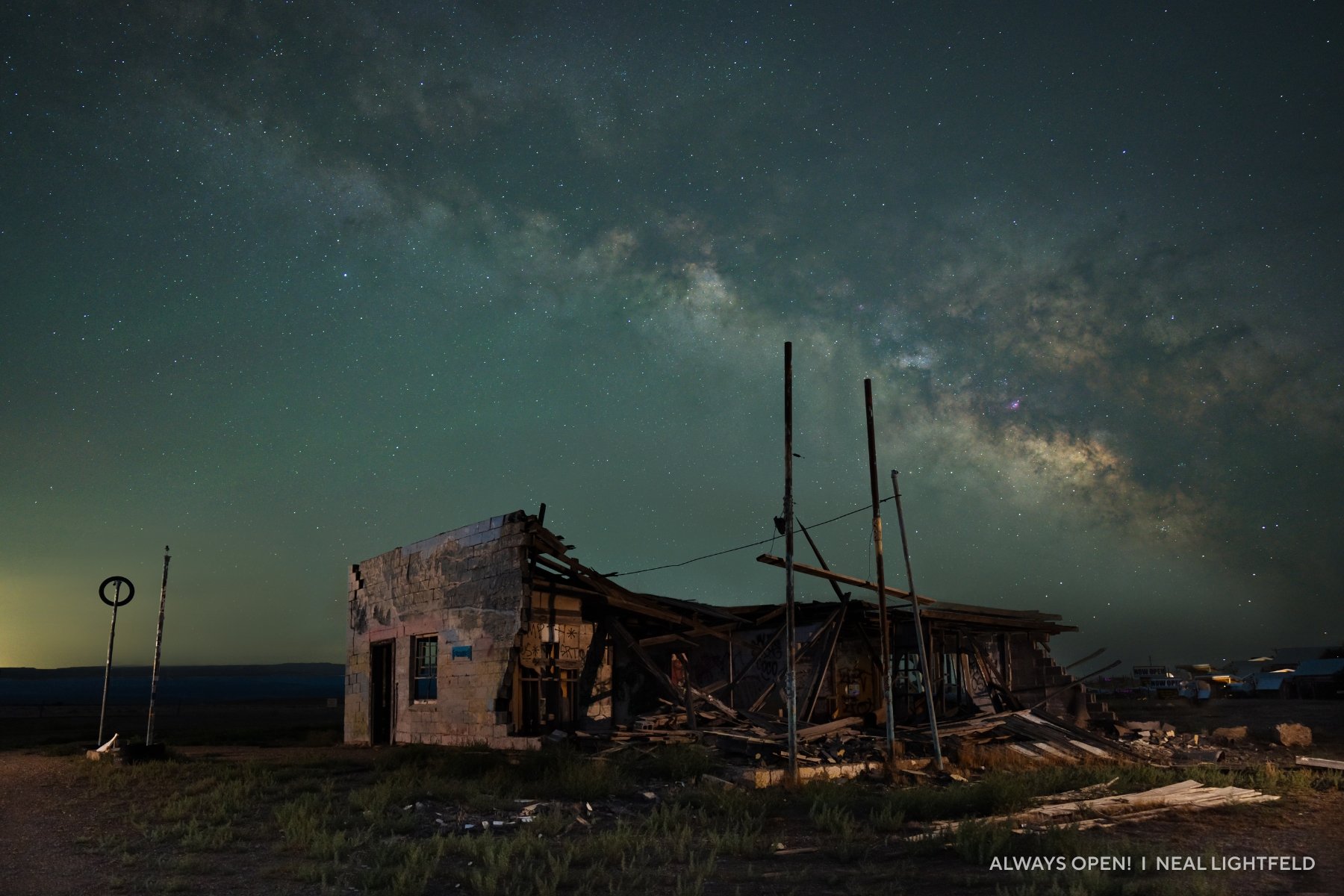
Award
Third place | Visit Utah Location Award
Location
Utah, United States
Technical details
Single exposure | Sony a7 IV | Lens: Soney FE f/1.4 24mm | Aperture: f/1.8 for foreground and sky | Shutter speed: 8 seconds for foreground and sky | ISO: ISO 640 foreground, ISO 6400 for sky
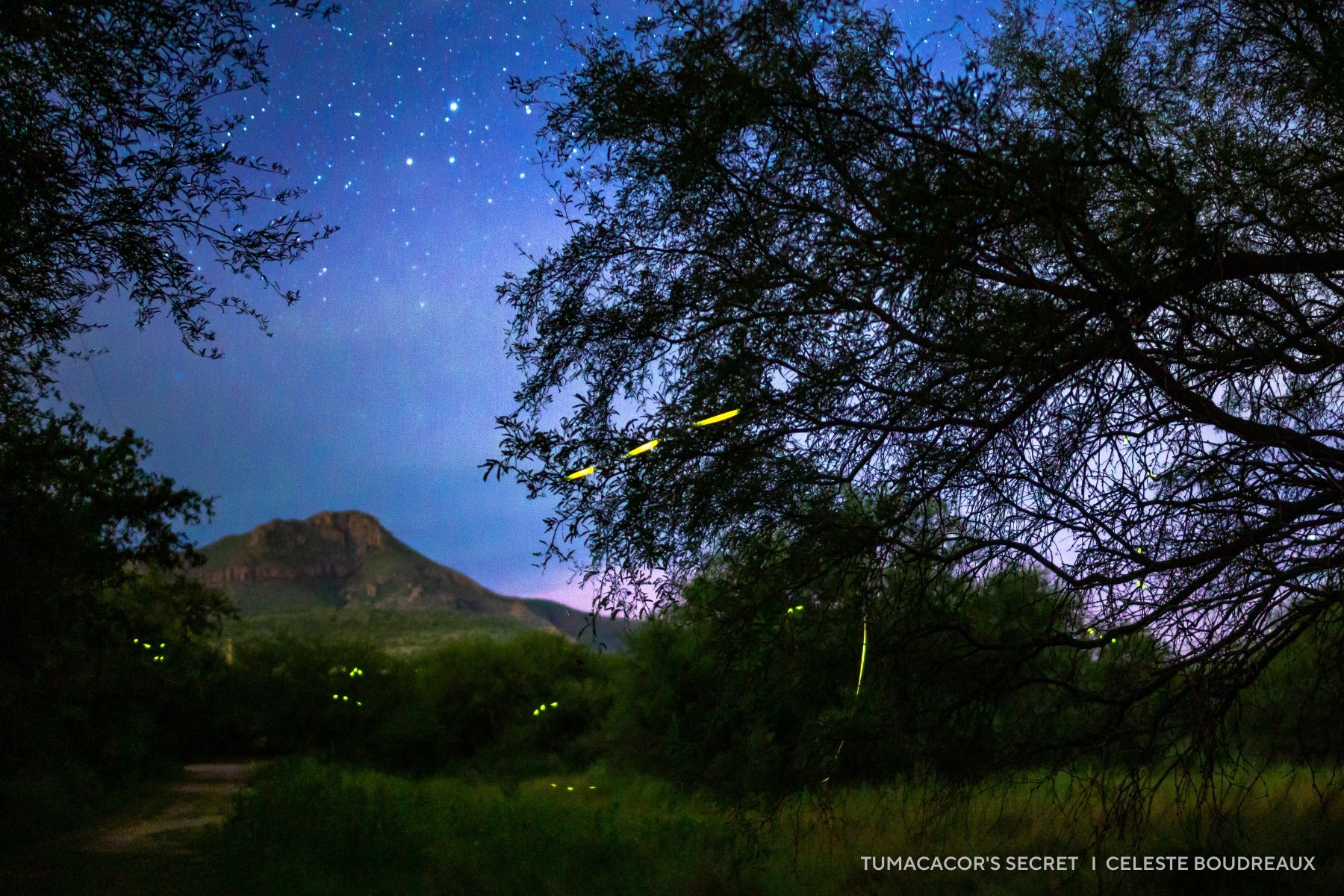

“Every summer, Tumacacori hosts a small visitor that most don’t even know exists in Arizona: the southwest synchronous firefly! And every year, they welcome visitors to photograph them.”
Award
First place | Visit Tucson Location Award
Location
Tumacacori, Arizona, United States
Technical details
Single exposure | Canon 5D Mark III | Lens: Rokinon 24mm | Aperture: f/2.8 | Shutter speed: 20s | ISO: 3200
Social media
Instagram: @celeste.boudreaux1
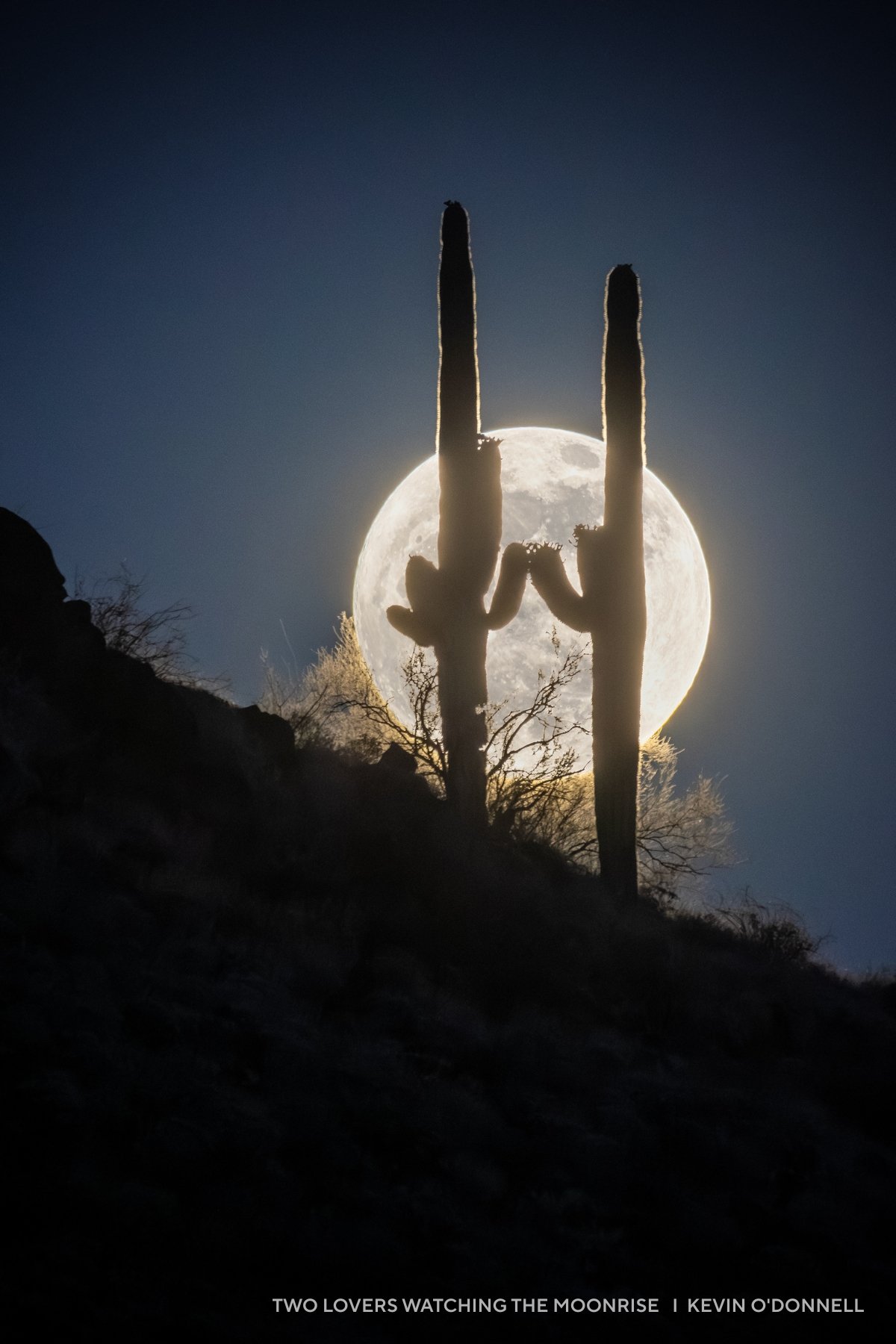
Award
Second place | Visit Tucson Location Award
Location
Phoenix, United States
Technical details
Blended | Canon 90D | Lens: Sigma 150-600mm Contemporary at 600mm | Aperture: Cacti = f/6.3, Moon = f/8 | Shutter speed: Cacti = 1/30, Moon = 1/250 | ISO: Cacti = ISO-2000, Moon = ISO-640
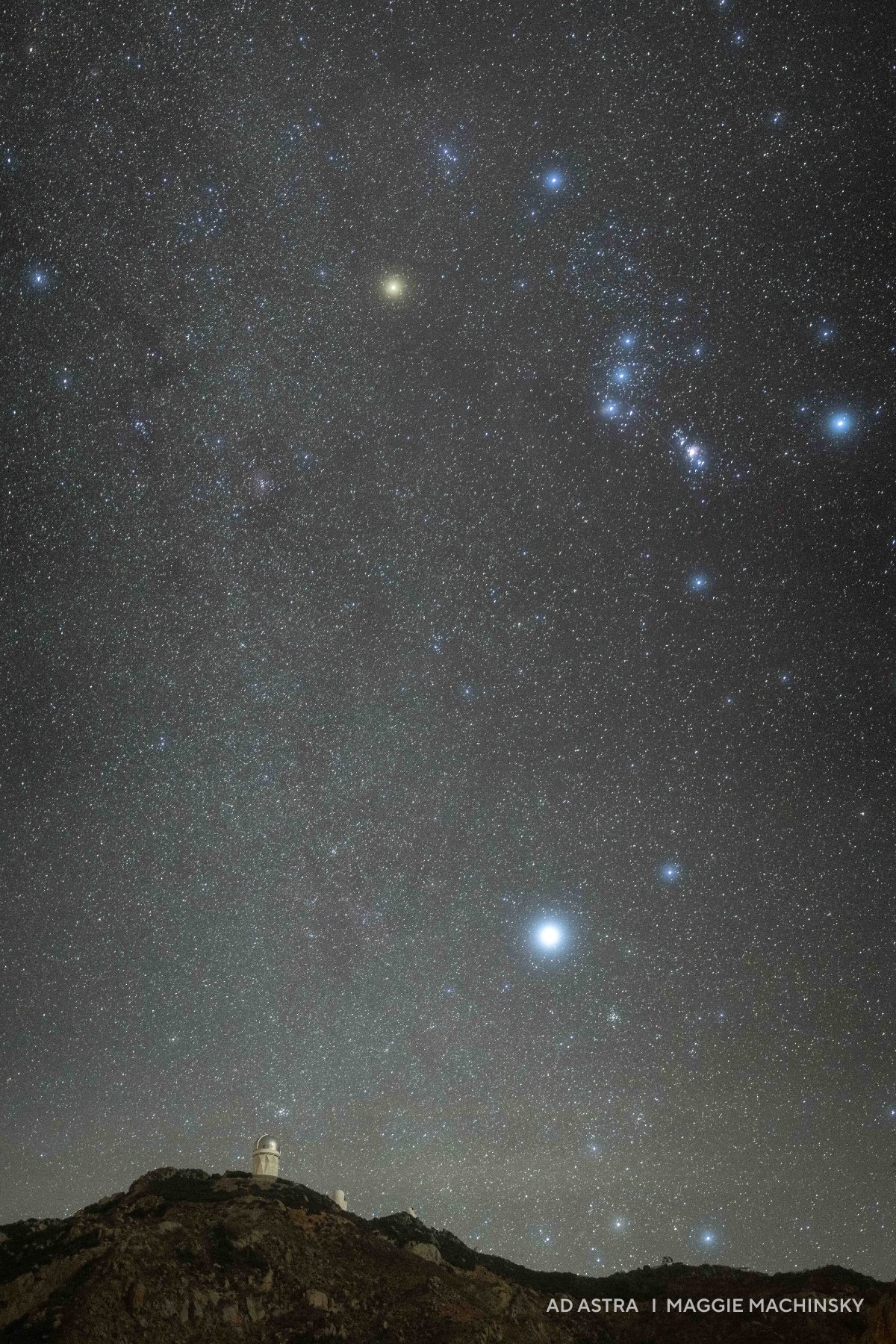
Award
Third place | Visit Tucson Location Award
Location
Kitt Peak Observatory, Tohono O’odham Nation, Arizona, United States
Technical details
Panorama | Nikon Z7II | Lens: Nikkon 35mm f/1.8 | Aperture: f/1.8 | Shutter speed: 10 seconds | ISO: 6400