










Thank you to all the award winners and nominees for your continued hard work and dedication to the dark sky movement!
Each year, DarkSky International recognizes and celebrates the incredible achievements of individuals, groups, and communities who are committed to our mission of preserving nighttime environments around the world. Their hard work and dedication informs global communities about the negative impacts of light pollution, supports and strengthens our network of advocates, and inspires us all to keep up the fight to reverse the growing trends of light pollution and save the natural night.
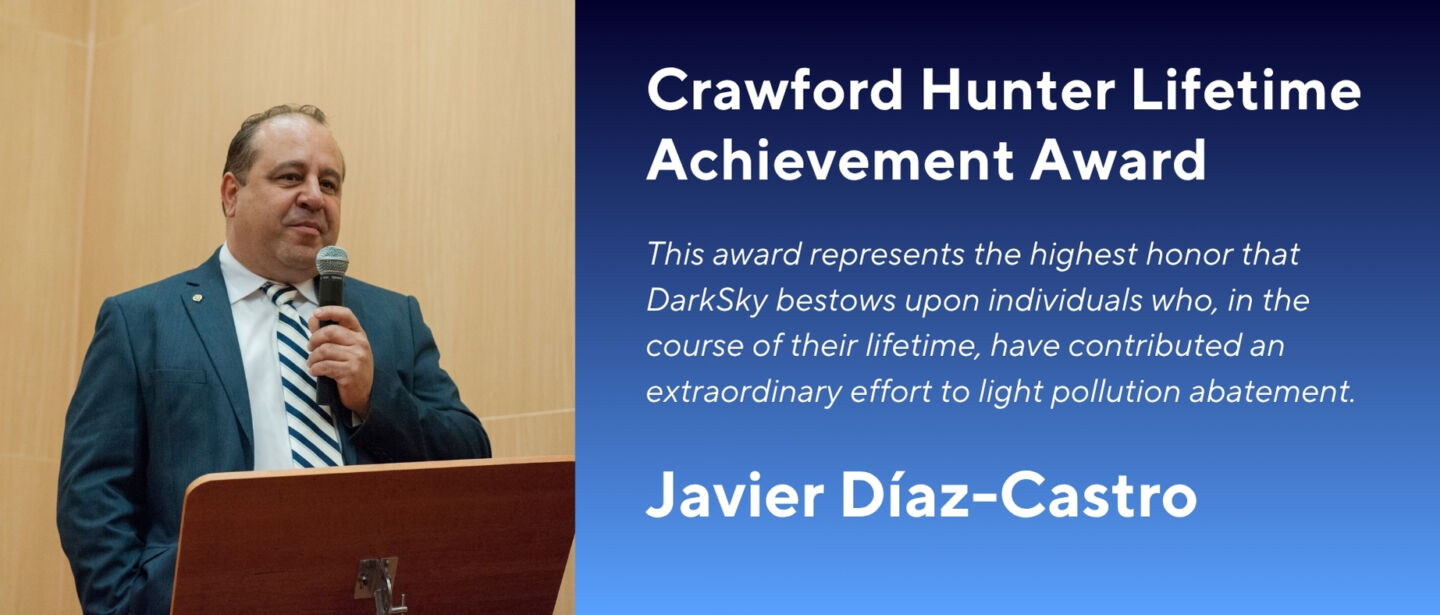
Javier Díaz Castro is an electrical engineer whose career bridges power engineering and night sky protection. After building and commissioning power plants in Gran Canaria and earning a Master’s at Purdue University, he joined the Instituto de Astrofísica de Canarias in 1992 to enforce the Canary Islands Sky Law and combat light pollution. Using his expertise in lighting design and engineering, he develops technical standards, advises municipalities and companies, and educates the public on preserving dark skies and protecting biodiversity. For over three decades, Javier has turned his skills from megawatts to constellations, earning a 2025 DarkSky Award for his lifelong contributions. He continues to inspire new generations of engineers and advocates to balance modern development with the protection of our night skies.
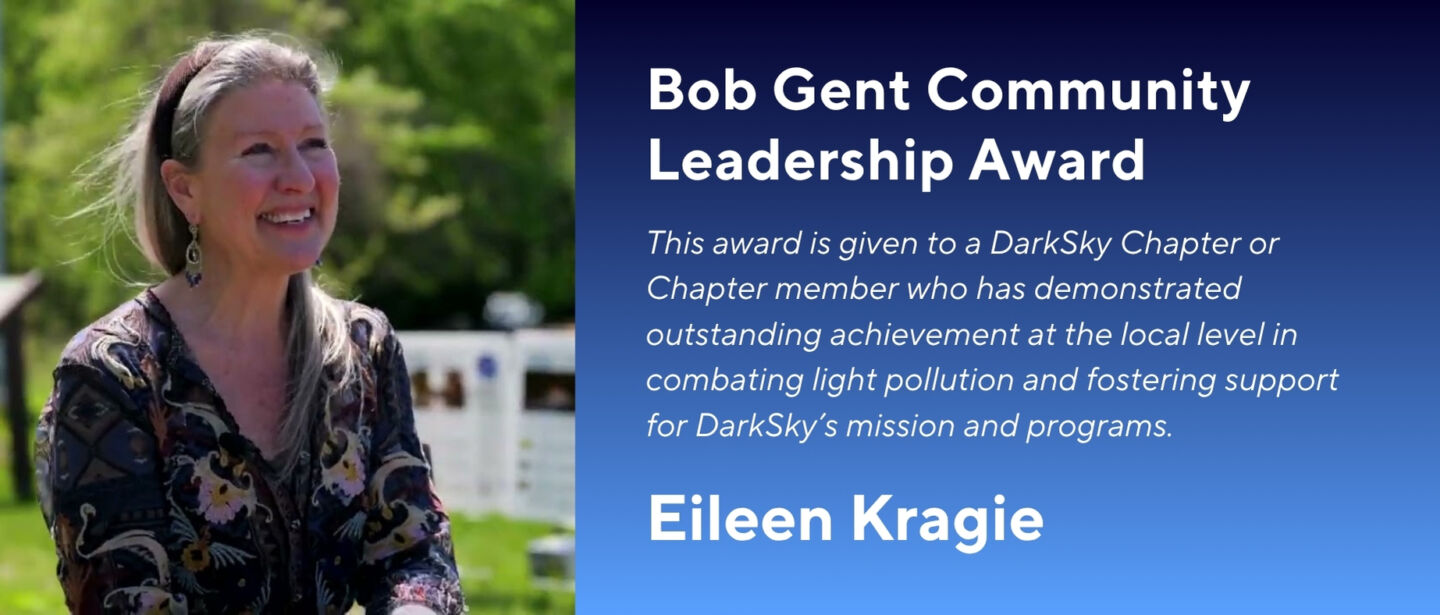
Eileen Kragie is a passionate dark sky advocate, founder of Dark Sky Friends (2022), and leader of DarkSky NOVA, the Northern Virginia chapter of DarkSky International. Inspired by childhood stargazing and early experiences with light trespass, she works to educate communities about the ecological, cultural, and health impacts of artificial light at night while promoting responsible lighting policies and practices. Under her leadership, DarkSky NOVA partners with local governments, businesses, and residents to reduce skyglow, protect wildlife, and reclaim natural darkness in urban and suburban areas. She also mentors and empowers fellow advocates, building a strong network dedicated to preserving the night sky. Through her ongoing efforts, Eileen ensures that both current and future generations can experience the awe, inspiration, and wonder of a truly dark sky.
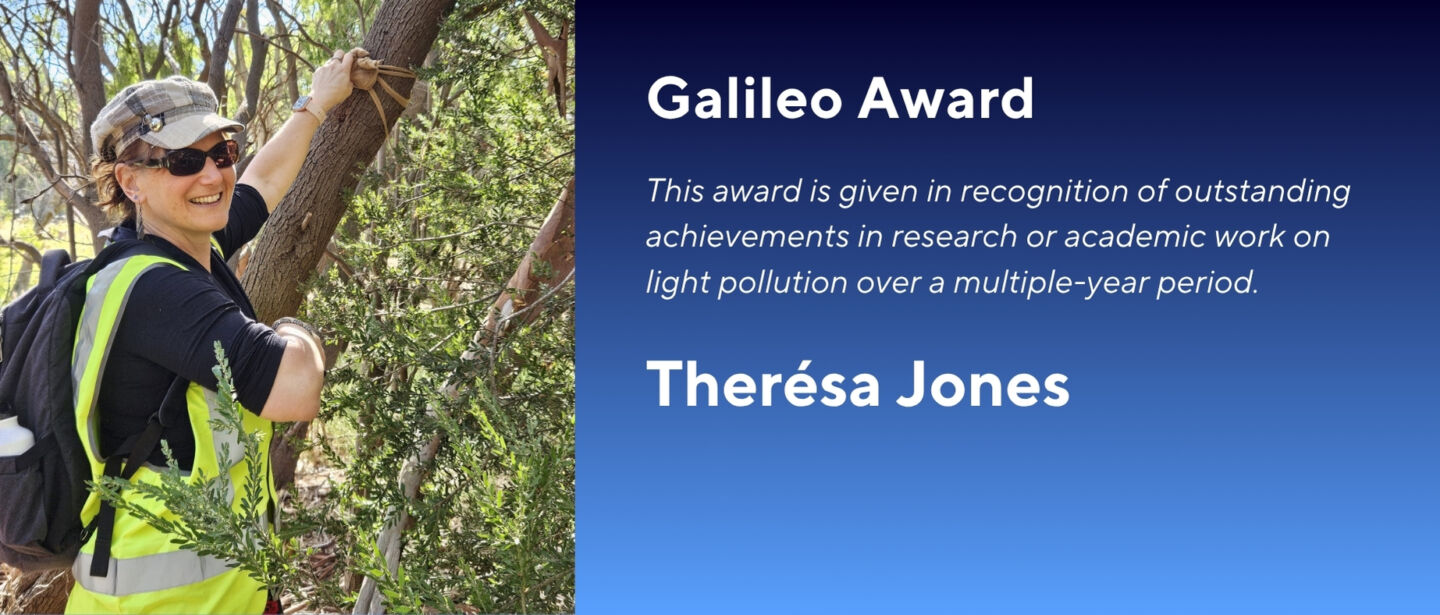
Professor Therésa Jones is a leading Australian researcher uncovering how artificial light at night affects the natural world. With over 25 years in invertebrate behavioural and evolutionary ecology, she combines laboratory, field, and mechanistic studies to show how even dim illumination can disrupt circadian rhythms, reproduction, and community dynamics. As head of the Urban Light Lab at the University of Melbourne, her work has positioned light pollution as a powerful ecological force and informed policies that promote wildlife-sensitive lighting across Australia. A passionate mentor and advocate, Jones has guided over 200 early career researchers and continues to inspire a global shift toward lighting practices that balance human need with the preservation of the natural night.
Aya by Selux represents a forward-thinking approach to environmentally responsible lighting. Grounded in scientific research, it adapts between 2700K warm light and Biological Red light to support human activity while minimizing disruption to wildlife and ecosystems. Precision optics and reflectors ensure controlled light distribution with minimal glare, light trespass, and zero uplight, meeting DarkSky standards. Its post-top design is ideal for streets, pathways, and outdoor retail areas, providing safe, effective illumination with reduced ecological impact. The luminaire’s organic, self-cleaning form enhances durability and performance. Aya demonstrates how sustainable, high-performance lighting can protect the night sky while supporting healthy urban environments.
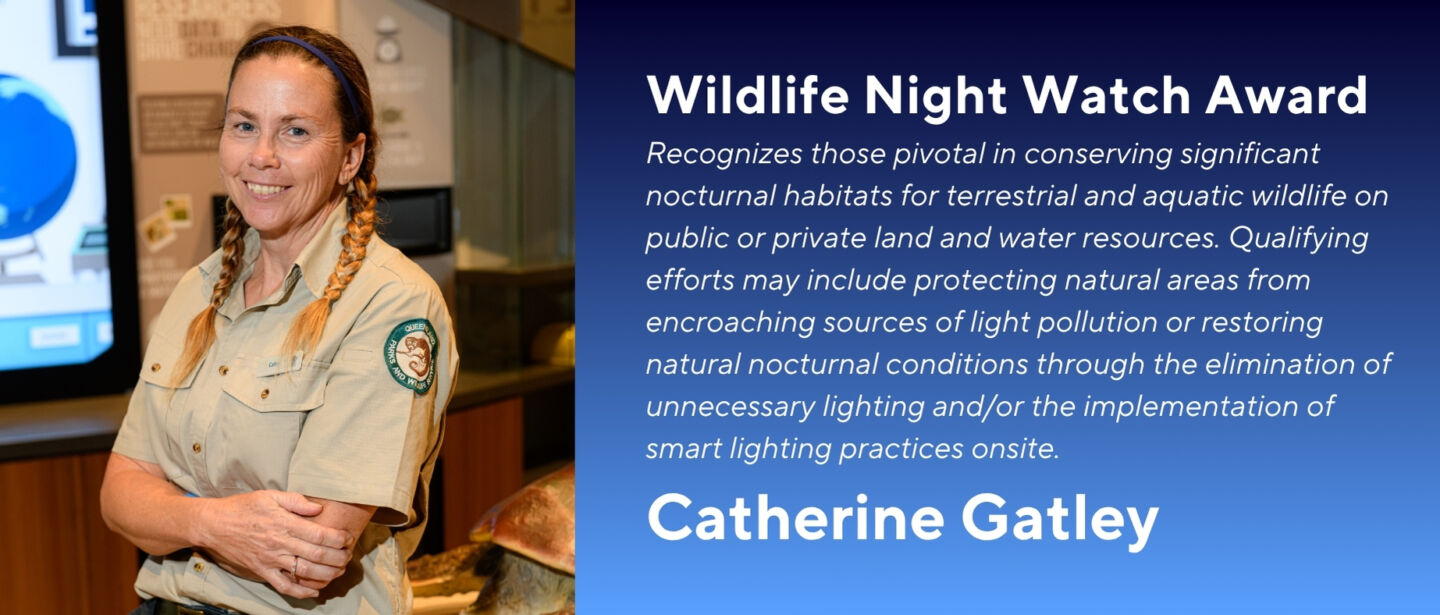
Cathy Gatley, Bundaberg-born Ranger-in-Charge at Mon Repos Conservation Park for 30 years, is a global leader in marine conservation and dark sky advocacy. In 2009, she founded the Cut the Glow to Help Turtles Go campaign, uniting councils, businesses, schools, and communities to reduce artificial light and protect endangered loggerhead turtles, a movement that has since inspired coastal regions across Queensland and beyond. Cathy’s innovative community programs, including the Junior Turtle Rangers, media outreach, and public engagement initiatives, have transformed local awareness of light pollution while preserving the wonder of dark starry skies. Her visionary work has earned her the 2025 global DarkSky Wildlife Night Watch Award, invitations to present to HRH King Charles, and lasting recognition for fostering a cultural shift in conservation, inspiring generations to safeguard both wildlife and the night sky.
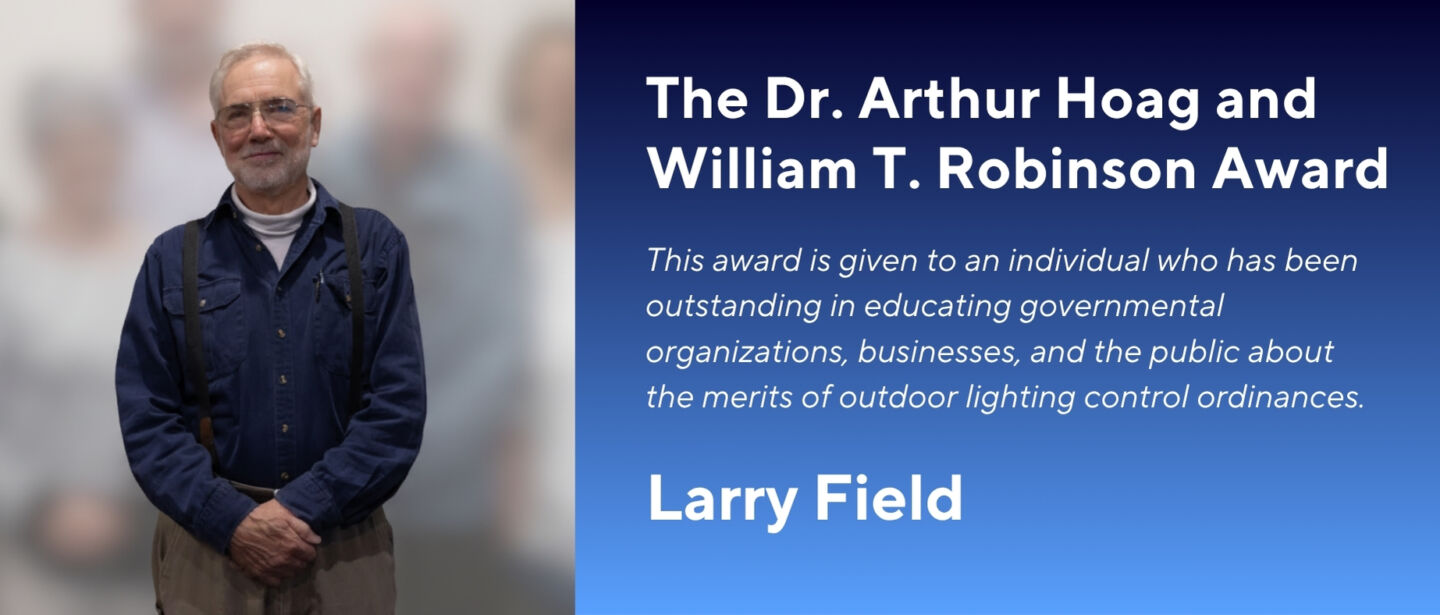
Dr. Laurence H. Field has been a key force behind the Kaikoura Dark Sky Trust (KDST), combining science, advocacy, and community engagement to protect and celebrate the night sky. Since 2020, he has led sky brightness measurements across Kaikoura, helping the district pursue Dark Sky Sanctuary status, and trained team members to continue this work. Larry has coordinated lighting projects with councils, developers, and the NZ Transport Authority, ensuring LED installations meet Dark Sky standards while protecting wildlife. He shares his passion through public talks, stargazing sessions, exhibitions, and educational resources, inspiring the community to preserve Kaikoura’s night skies. From astronomy photography to signage design and outreach, Larry’s efforts have made him a vital advocate for a darker, brighter future.
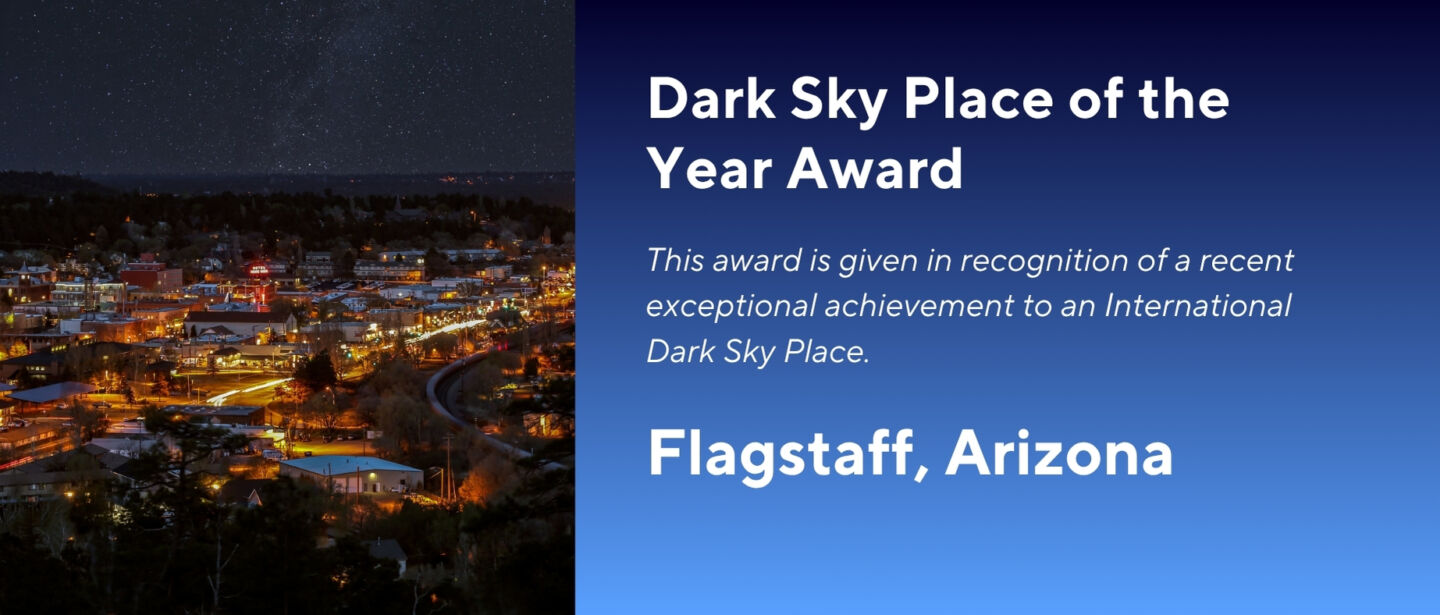
Flagstaff, Arizona, was the first community designated as an International Dark Sky Place in 2001, setting a lasting standard for urban night sky stewardship. Building on its 1958 outdoor lighting ordinance, the city has achieved full compliance with DarkSky Approved lighting, enforcing municipal codes to reduce uplight, glare, and light trespass. Flagstaff demonstrates that large communities can sustain long-term dark sky efforts while supporting urban growth. The city offers diverse programming beyond astronomy, engaging residents and visitors in environmental education and cultural events. Additionally, Flagstaff actively mentors other communities pursuing Dark Sky certification, sharing expertise and best practices to expand global impact. Its continued leadership and innovative approaches serve as a model for cities worldwide seeking to balance development with night sky preservation.
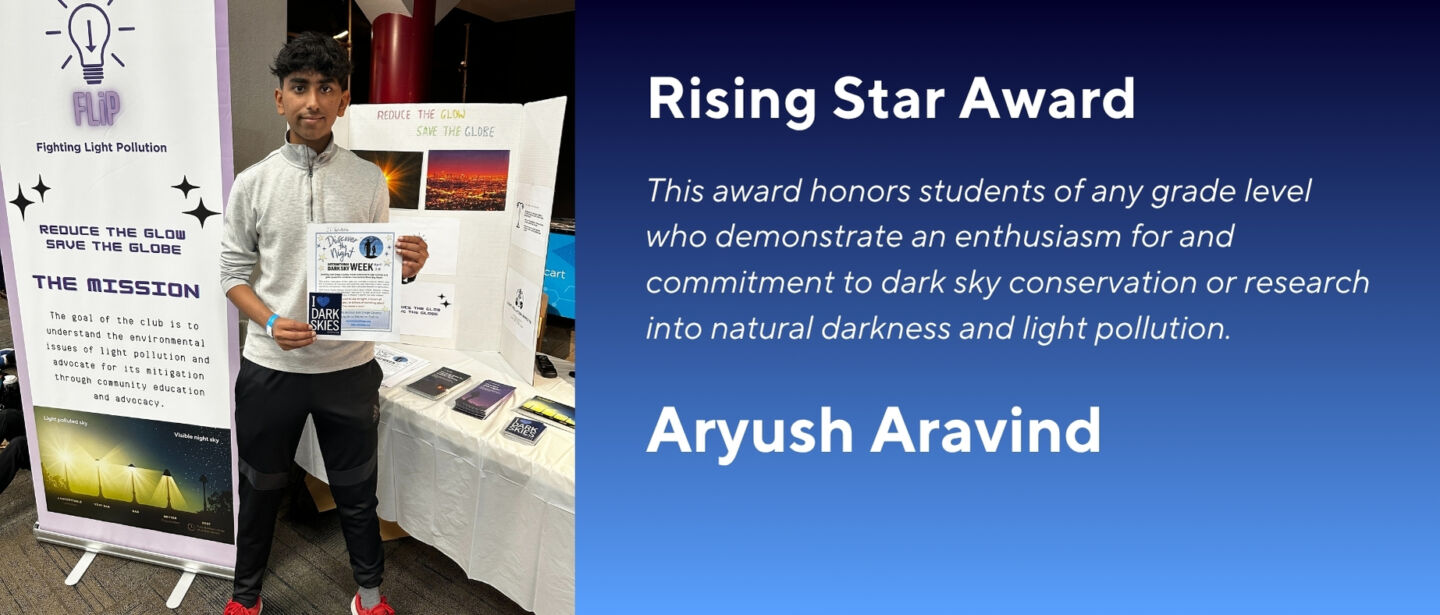
Aryush is a student researcher passionate about astrophysics and cosmology whose curiosity about the night sky grew from stargazing with a small telescope into a drive to understand the universe through science. He founded the Fighting Light Pollution (FLiP) Club to raise awareness about light pollution’s effects on ecosystems, health, and energy, leading community events and collaborations with city leaders under the motto “Reduce the glow, save the globe.” Aryush has presented at the Starlight Conference in New Zealand, connected youth advocates worldwide through FLiP’s website, and is developing a device that uses light sensors and machine learning to reduce unnecessary lighting, uniting research and advocacy to keep our skies dark and our stars bright. He continues to mentor younger students and inspire communities to take practical steps toward preserving dark skies.
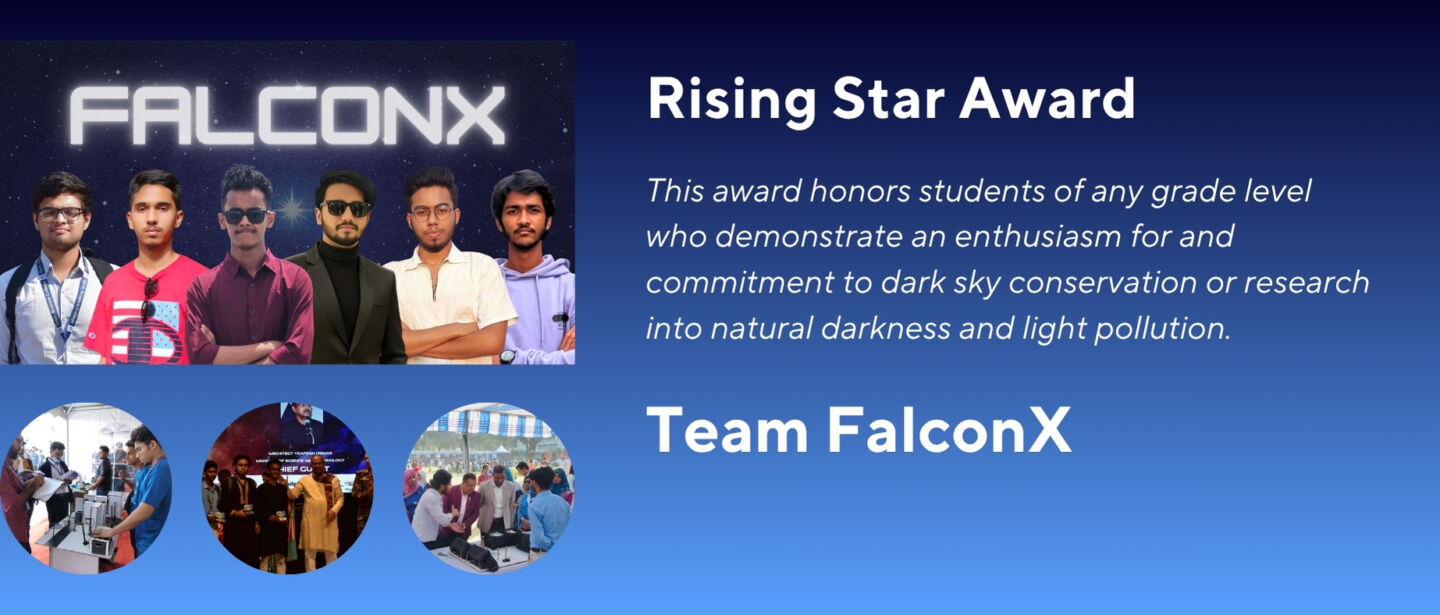
FalconX, a team of higher secondary students from Dhaka, founded Project Lumina to study and reduce light pollution in their city. They conducted the first systematic survey of artificial light in Dhaka, identifying major sources—overlit commercial areas, unshielded streetlights, and reflective windows—and developed solutions like window films, directional LEDs, and adjusted lighting schedules. Their miniature model showed how targeted changes can reduce skyglow and glare, providing a clear path toward sustainable city lighting. Through outreach and advocacy, FalconX has engaged local businesses, schools, and city planners, demonstrating how student-led initiatives can turn data into action and inspire broader community efforts to protect the night. Their work highlights the power of youth-driven innovation to address environmental challenges and shape more sustainable urban futures.
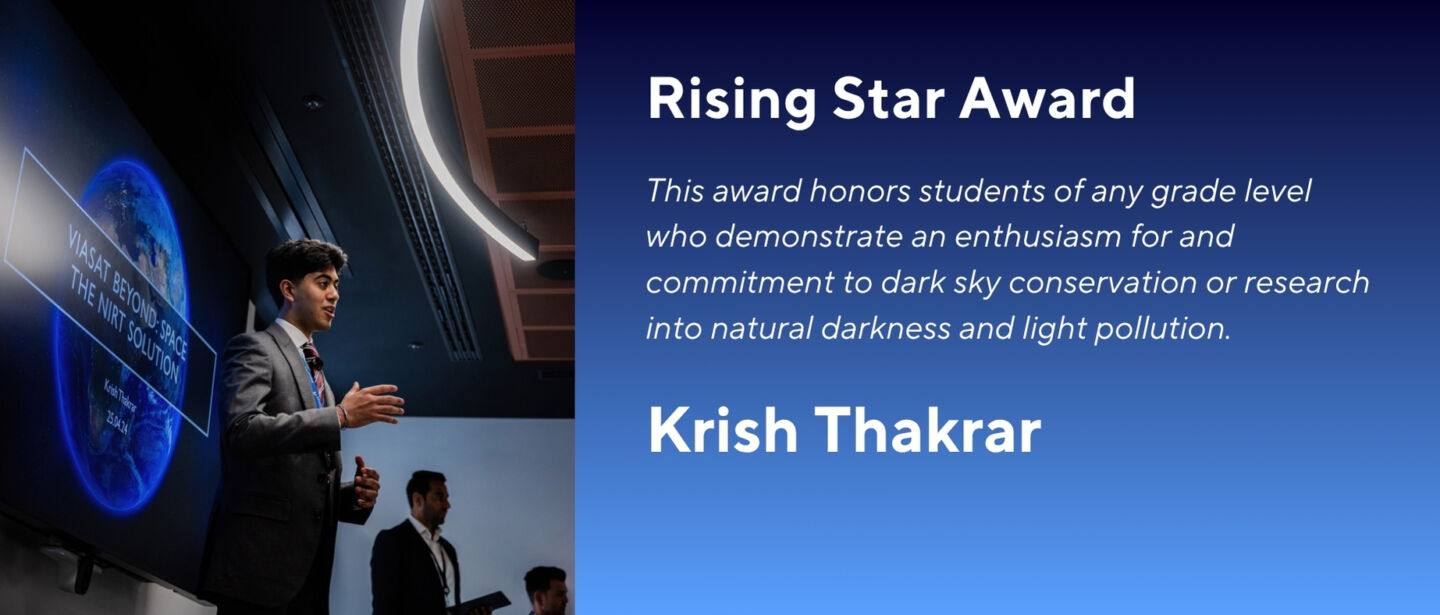
Krish focuses on mitigating light pollution from Earth-orbiting satellites to protect astronomical observations. He developed a novel visible-light-absorbing coating applied to carbon fibre reinforced polymer satellites, generating interest from the UK Space Agency, Viasat, and the Global Network on Sustainability in Space. Krish has presented his ideas to industry experts and the public, including at the 2024 New Scientist Live event, inspiring both professionals and students. Recognized as one of five finalists out of 1,200 entries in the 2024 Viasat Space Beyond competition, he earned second prize for his innovative solution. His work advances practical strategies to reduce light pollution from space while raising awareness of space sustainability. In addition, he has initiated collaborations with university researchers to further develop and implement his solution in real-world satellite construction.
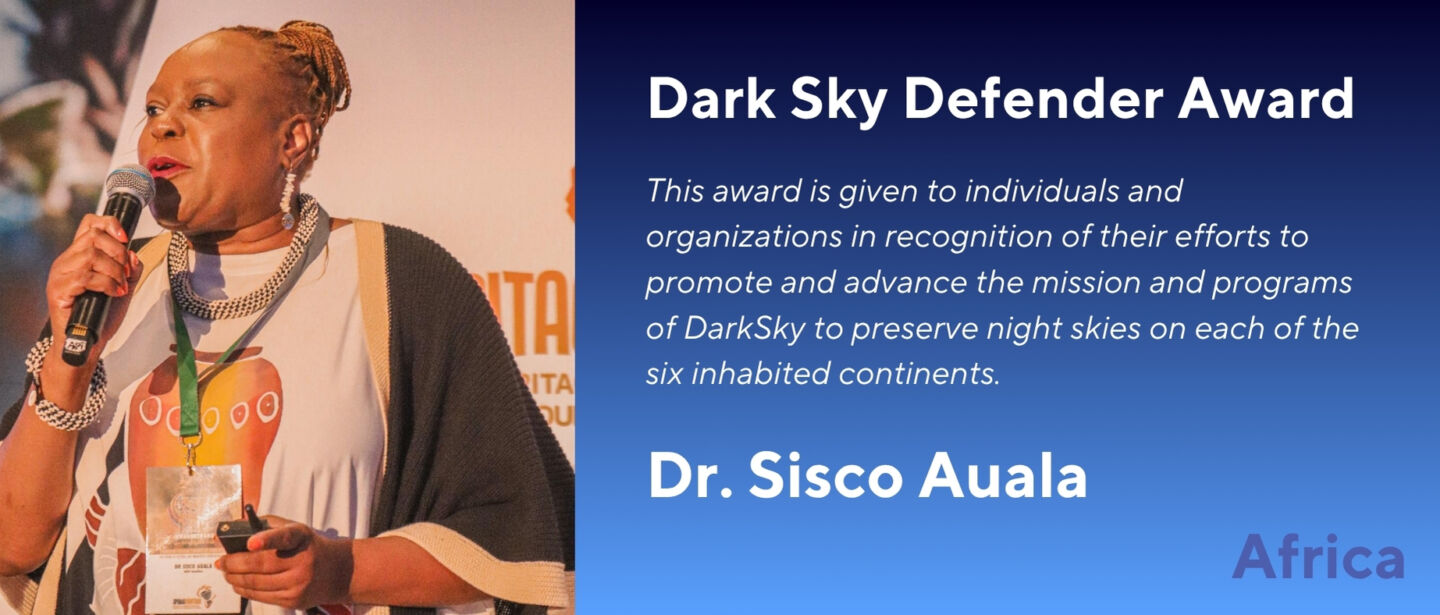
Dr. Auala is helping to position Namibia as a leader in preserving dark skies and promoting Indigenous Astronomical Knowledge. Her academic research highlights how Africa’s Indigenous Astronomical Knowledge can be used through expression in Dark Sky Tourism to provide economic benefits to rural communities and as a tool for sustainable development. She shares her passion with audiences around the globe on the importance of reconnecting science with cultural heritage to promote cultural sensitivity through the appreciation of our shared universal human experience of the night sky. She has been working with Indigenous communities in Namibia to revive their rich astronomical traditions. Additionally, Dr. Auala collaborates with policymakers and tourism stakeholders to integrate dark sky preservation into sustainable development initiatives nationwide.
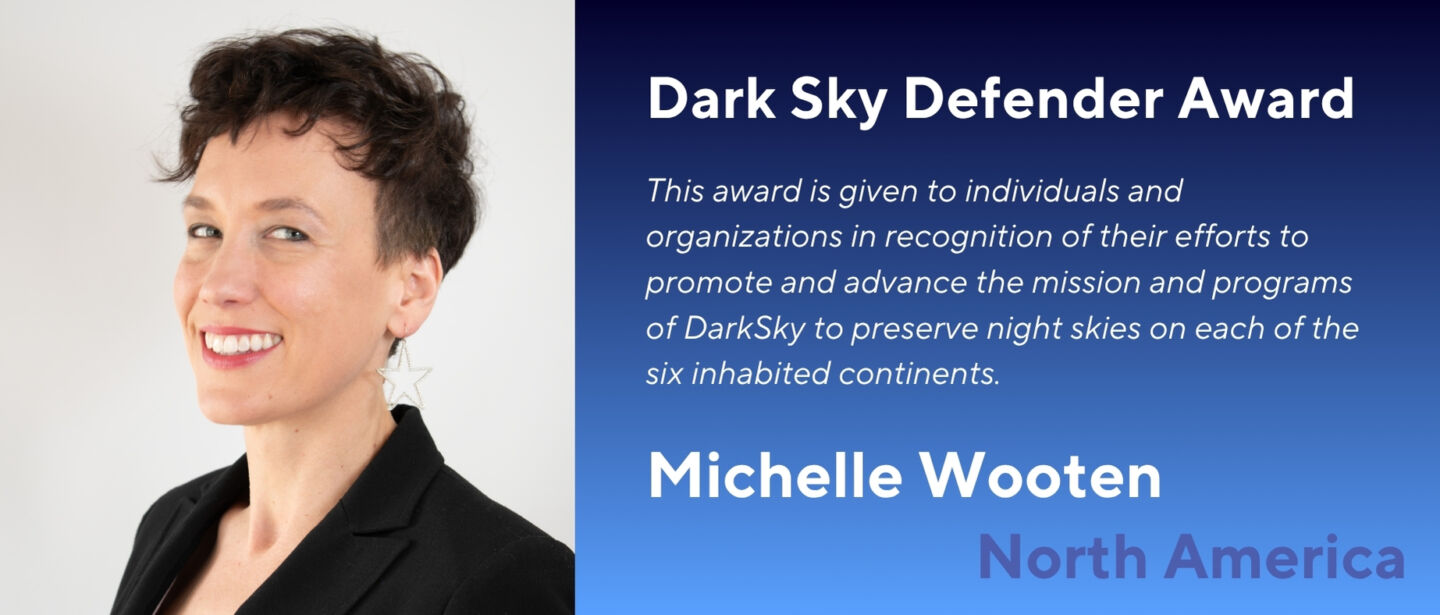
Michelle Wooten is a passionate advocate for protecting the night sky and the founder of Starry Skies South, a DarkSky International chapter connecting communities across the Southeast. As Director of the Campus SHINE Lab at the University of Alabama at Birmingham, she leads student-driven projects that transform campus lighting and foster awareness of light pollution. Co-Chair of the American Astronomical Society’s Committee for the Protection of Astronomy and the Space Environment (COMPASSE), Michelle champions national advocacy and empowers astronomers and communities alike to preserve starry skies. As an Assistant Professor of Physics, her teaching and research focus on astronomy education, equity in the sciences, and inspiring the next generation to become agents of change for the night. She also collaborates with local governments and organizations to implement practical lighting solutions that balance human needs with environmental protection.
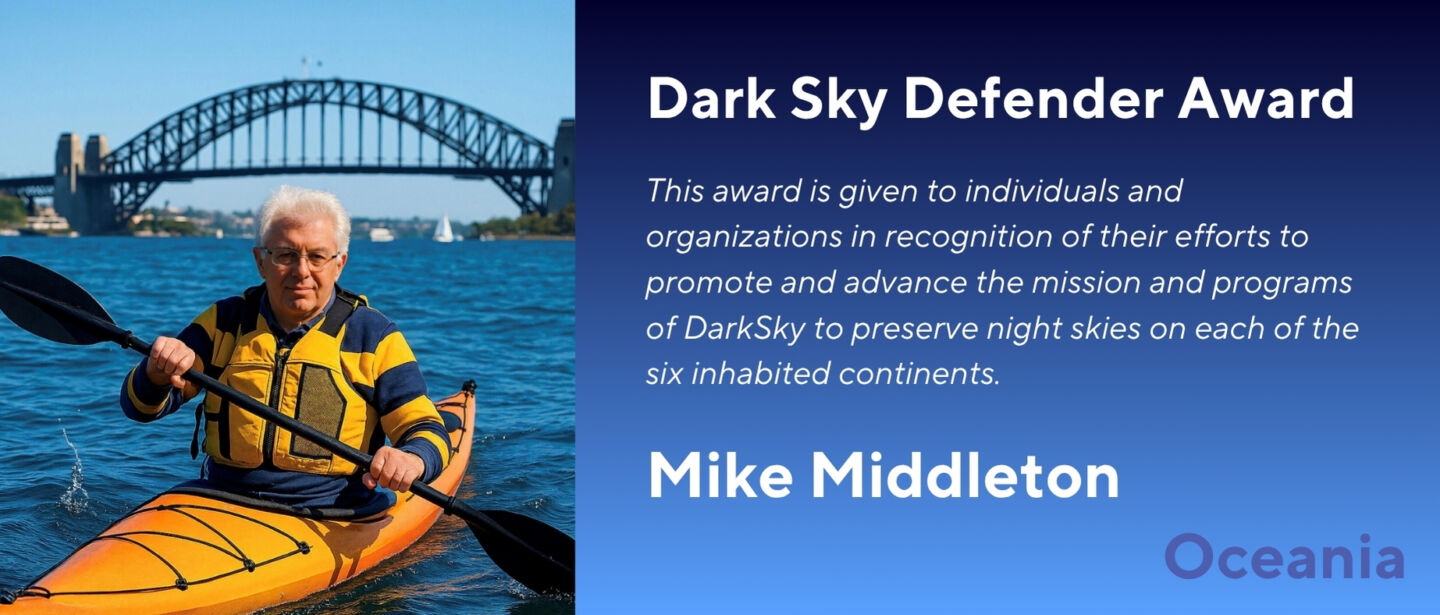
Mike Middleton is pioneering one of the world’s first marine-based dark sky initiatives, protecting both the night sky and the Great Barrier Reef’s wildlife. From shielding boat lights to safeguarding turtle hatchlings, coral spawning, and nocturnal species, his hands-on approach blends science, advocacy, and community engagement. As Chair of the Burnett Local Marine Advisory Committee, he is working to establish the Capricorn–Bunker Group as Australia’s first Dark Sky Marine Sanctuary, where conservation, cultural knowledge, and stargazing tourism unite. Through practical lighting guidelines, outreach, and collaboration with Traditional Owners, Mike provides a model for marine dark sky protection worldwide, turning wonder into action to ensure both stars and sea creatures can thrive. His work also inspires global marine communities to adopt dark sky practices, demonstrating how environmental stewardship and public engagement can go hand in hand.
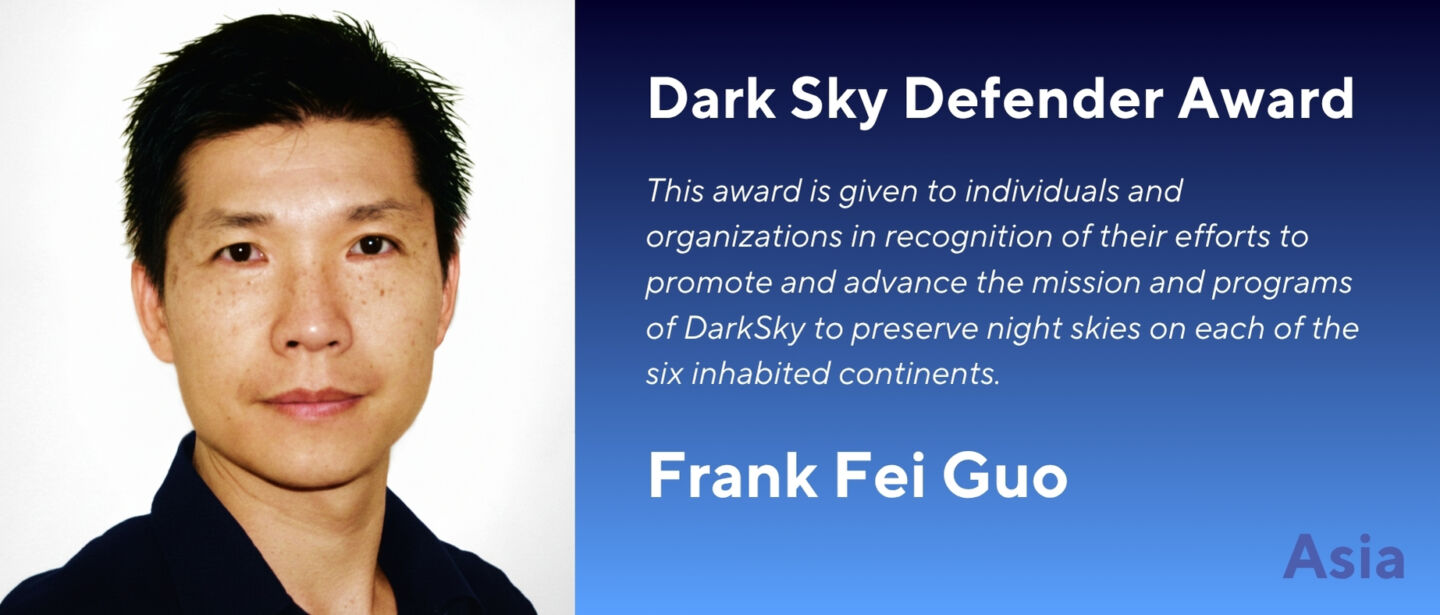
Fei Guo is a certified lighting designer, educator, and dark sky advocate based in Shanghai, China, and the Founding Principal of INNOVISION DESIGN GROUP as well as Chair of DarkSky Shanghai since 2009. With over two decades of experience, he has integrated dark sky principles into public policy, professional lighting practice, and environmental education nationwide. Fei has advised municipal governments, co-authored national technical standards, and supported International Dark Sky Places, while mentoring hundreds of lighting designers and collaborating with planetariums, observatories, and NGOs to expand public awareness. His projects demonstrate ecologically responsible lighting solutions, and his leadership continues to shape sustainable nighttime environments across China, inspiring communities and professionals alike to preserve the beauty and health of the night sky.
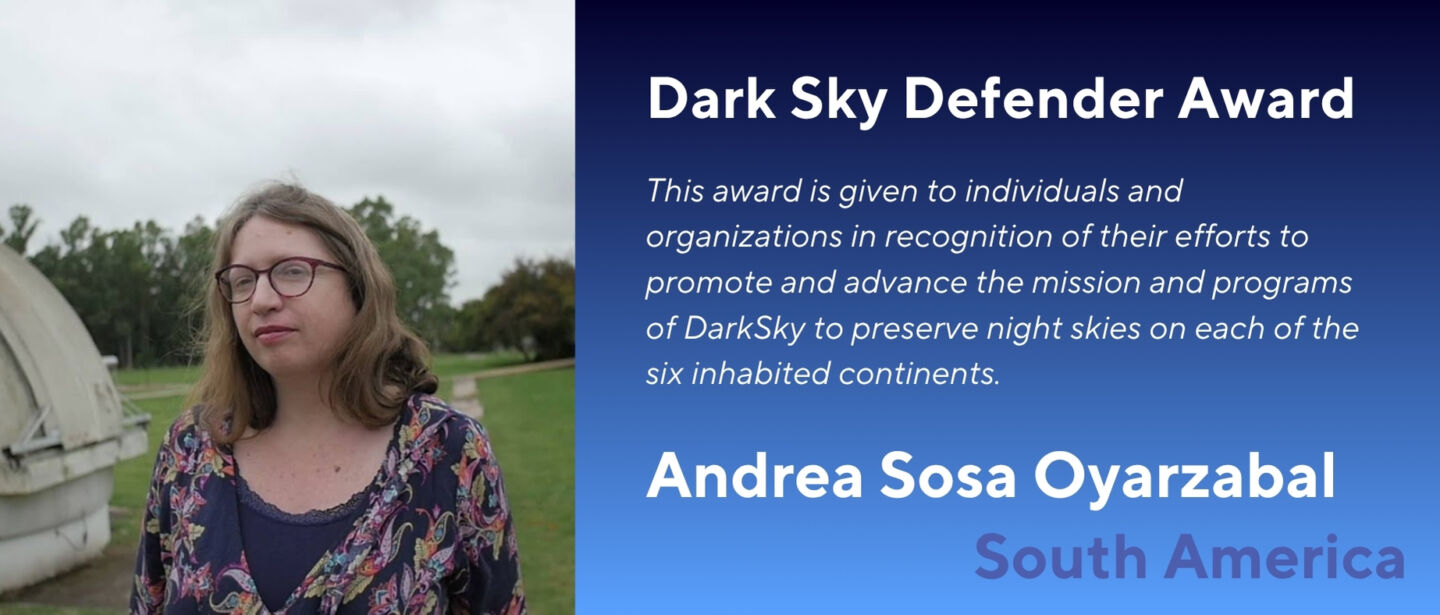
Andrea Sosa is an astronomer and doctor in Physical Sciences from the University of the Republic of Uruguay, specializing in the study of comets and asteroids. She is an Adjunct Professor and founder of the Department of Physical Sciences at the Eastern Regional University Center (CURE), where she also directs the CURE Astronomical Observatory. Since 2014, Andrea has led research, teaching, and outreach initiatives, including public talks, night sky observations, and educational programs on astronomical tourism, light pollution, and dark sky protection. She has coordinated sky brightness monitoring, advised communities, and contributed to urban lighting regulations, while training students and professionals in light pollution mitigation. In 2025, she co-launched Uruguay’s first Research Group for Light Pollution Studies, uniting interdisciplinary experts to address artificial light at night through science, education, and policy, promoting the protection of night skies, ecosystems, and human health.
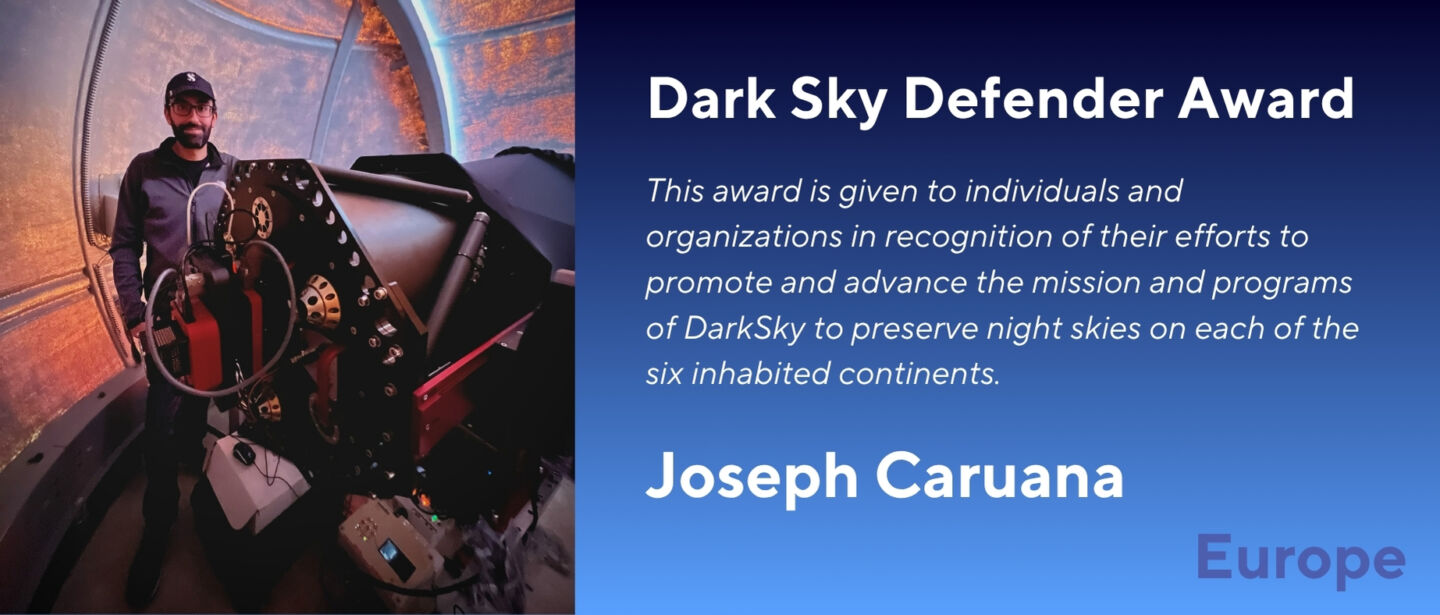
Joseph Caruana is a Maltese astrophysicist, educator, and advocate for dark sky preservation. From a young age, he was drawn to astronomy and astrophotography, capturing the beauty of Malta’s remaining dark skies. Since joining the University of Malta’s Department of Physics and Institute of Space Sciences and Astronomy in 2016, he has led research on night sky brightness, producing the first comprehensive quantitative map of light pollution across the Maltese Archipelago. As President of Wirt Għawdex and an active member of the Astronomical Society of Malta, Joseph collaborates with local organizations to improve lighting practices and conserve nocturnal environments. He engages the public through media appearances, lectures, workshops, and astrophotography, and coordinated the creation of an astronomical observatory in Gozo for research, education, and outreach. His work combines scientific research, advocacy, and public engagement to highlight the cultural, ecological, and scientific value of dark skies.
We congratulate and thank all of our nominees and winners!
Want to nominate a person or organization for next year’s awards cycle?
The nomination window for 2026 will open in May.